Power crisis under renewed scrutiny as critics question NDC's energy management record
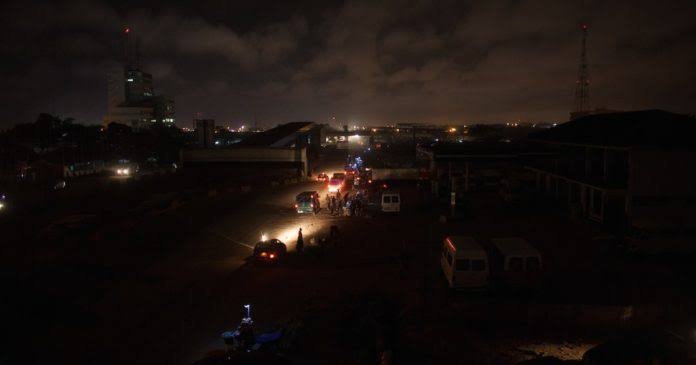
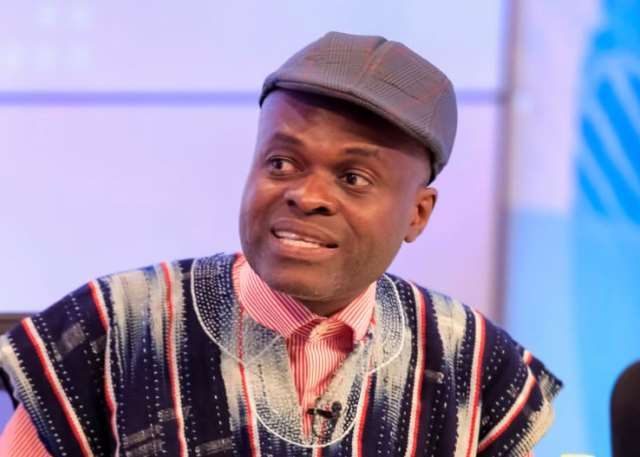
Ghana's recurring power outages have become a focal point of political criticism, with prominent voices questioning the current administration's ability to manage the energy sector effectively. Former Head of Public Affairs at the Ghana Cocoa Board (COCOBOD), Fiifi Boafo, has raised serious concerns about the frequency and impact of blackouts under the National Democratic Congress (NDC) government, particularly following the party's return to power in 2024.
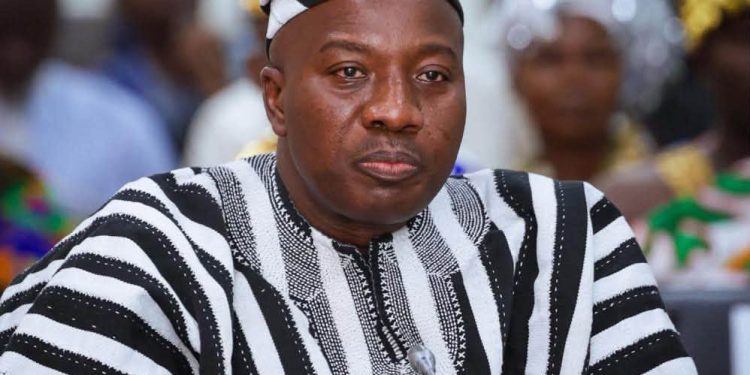
The electricity supply challenges have sparked anxiety among Ghanaians across sectors. Mr Boafo highlighted a telling conversation with a teenager who expressed worry about the return of President John Mahama to office, fearing a return to the power disruptions associated with previous NDC administrations. This sentiment underscores the deep frustration residents feel about the reliability of Ghana's power infrastructure.
The criticism extends to the practical consequences of unstable electricity supply. Students struggle to study after dark, small business owners cannot operate welding shops or hair salons, and media organisations face mounting costs from generator dependency. The broader economic impact is significant, as electricity underpins nearly every commercial and household activity.
The fuel levy question and unfulfilled promises
A particularly contentious issue is the additional fuel levy that consumers pay on electricity bills. Authorities justified this charge as necessary to stabilise supply and improve the sector's financial health. However, the continuation of widespread blackouts has prompted public scepticism about whether these collections are achieving their stated purpose. Mr Boafo questioned pointedly whether the levy is delivering the stable supply it promised, asking simply: "Are we getting the same?"
The recent outages have affected large portions of the country within short timeframes, reinforcing a sense that Ghana has regressed to earlier periods of severe energy insecurity. This perception carries political weight, as energy reliability is a concrete measure by which governments are judged.
Why it matters for Ghana
Ghana's energy sector has been a persistent challenge across multiple administrations. The country has experienced cycles of energy crisis and relative stability, often correlating with which party holds power in public discourse. However, the structural issues—ageing infrastructure, maintenance challenges, funding constraints, and generation capacity gaps—transcend any single government's tenure.
Boafo's suggestion that the government consult former energy sector officials, specifically naming Dr Matthew Opoku Prempeh (NAPO) and Boakye Agyarko from previous administrations, reflects a broader argument for pragmatism over ideology. This appeal for cross-party knowledge-sharing highlights how energy security is fundamentally a technical and managerial problem requiring expertise regardless of political affiliation.
For ordinary Ghanaians, the issue is intensely practical. Unstable power affects productivity, raises business costs, impacts educational outcomes, and erodes confidence in government competence. Small and medium enterprises—critical to Ghana's economy—operate on razor-thin margins, and the cost of backup power generation can be prohibitive.
The criticism also reflects a credibility gap. Governments are judged not only on their intentions but on tangible delivery. When the public pays additional levies specifically designated for energy stability, they expect demonstrable improvement. Continued outages, regardless of the technical explanations offered, undermine public trust in government messaging and economic policy.
Addressing this challenge requires both immediate interventions and long-term strategic planning. Whether through consultant expertise, improved maintenance protocols, or infrastructure investment, the NDC administration faces pressure to move beyond explanations and deliver measurable improvements in electricity supply reliability.
Source: The Ghana Report

Comments (0)
Be the first to comment.