Mahama's government faces criticism over arrest of critics, according to legal analyst Kpebu
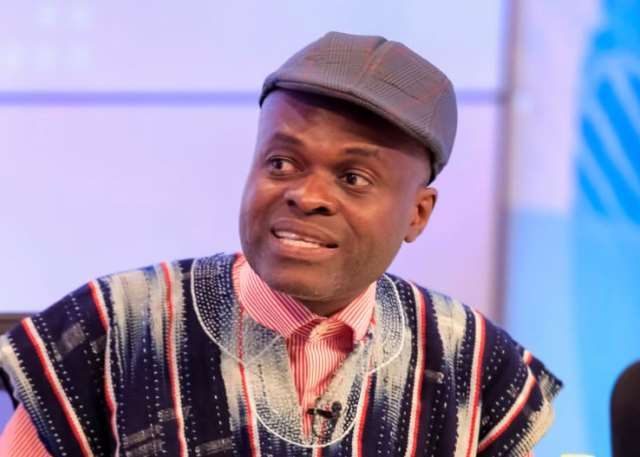
Legal practitioner and political commentator Kpebu has raised concerns about what he describes as a troubling trend of arrests targeting individuals for their speech and public utterances during President John Mahama's current administration. While acknowledging that insulting remarks are not appropriate conduct, Kpebu argued that criminalising speech through arrests sets a dangerous precedent for democratic governance.
The criticism and its implications
Kpebu pointed out that arresting people for their words creates an unsustainable situation where the state could theoretically end up prosecuting a significant portion of the population. His comments reflect growing concerns among civil society observers and legal professionals about the boundaries between legitimate freedom of expression and public order offences in Ghana.
The criticism underscores a persistent tension in Ghana's democracy between the right to free speech—enshrined in the 1992 Constitution—and laws designed to maintain public order and protect citizens from defamation or incitement. The manner in which authorities enforce these laws has frequently sparked debate among legal experts, opposition parties, and international human rights organisations.
Why it matters for Ghana
Ghana has long positioned itself as a beacon of democratic stability in West Africa, with a strong constitutional framework protecting fundamental freedoms. However, periodic concerns arise when arrests or prosecutions are perceived as politically motivated or disproportionate responses to criticism. Such incidents can undermine public confidence in the independence of law enforcement and the judiciary.
For citizens, the issue touches on everyday freedoms—the ability to criticise government policies, political figures, or public institutions without fear of state retaliation. When arrests become frequent enough to attract formal criticism from legal professionals, it signals potential dysfunction in how democratic principles are being applied on the ground.
This discourse also matters in the context of Ghana's international reputation. The country regularly receives scrutiny from organisations like Amnesty International and Human Rights Watch regarding press freedom and the treatment of dissenting voices. Patterns of arrest for speech can negatively affect Ghana's standing and may influence investment, partnerships, and diplomatic relations.
The broader context
Ghana's legal system includes provisions addressing defamation, contempt of court, and incitement under the Criminal Code and other statutes. These laws are intended to balance free expression with protection against harmful speech. However, their application has sometimes drawn criticism from observers who argue that enforcement can be inconsistent or used selectively against political opponents.
The return of the National Democratic Congress (NDC) to power in 2024, following the election of President Mahama, represents a significant political shift. Kpebu's remarks suggest that questions about how the new administration uses state powers—including law enforcement—are already emerging as a focal point for civic scrutiny and debate among legal professionals.
Going forward, civil society and independent observers will likely continue to monitor arrest patterns and prosecutions related to speech, particularly in the lead-up to the 2028 elections. The legitimacy of any government rests partly on its demonstrated commitment to upholding constitutional freedoms, even when those freedoms result in criticism or dissent.
Source: 3News
Comments (0)
Be the first to comment.