
Oxford Scientists Launch Human Trial for New Ebola Vaccine as DRC Outbreak Spreads
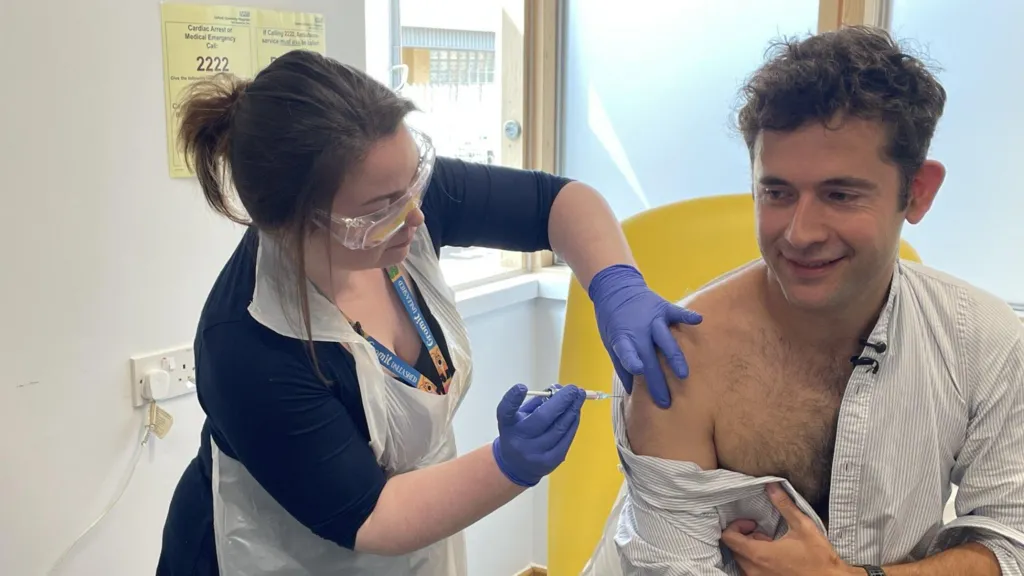

Scientists at the University of Oxford have begun human trials of a new experimental vaccine against Ebola, marking a significant step in global efforts to contain the deadly virus spreading in the Democratic Republic of Congo. The first volunteer, a 37-year-old British man named Ed Hunt, received the injection at Oxford, becoming the initial participant in a trial involving 50 healthy volunteers aged 18 to 55.
The vaccine uses the same messenger RNA technology that underpinned the Oxford-AstraZeneca COVID-19 jab, which was administered to hundreds of millions worldwide during the pandemic. Remarkably, the Oxford team developed this Ebola vaccine in just eight weeks, leveraging decades of prior research into viral vaccines. Hunt, who had previously wanted to volunteer for COVID vaccine trials but was unable due to work, said he was motivated to participate after witnessing news coverage of the outbreak in the Democratic Republic of Congo.
How the Trial Works and What Makes it Different
The phase one clinical study focuses on assessing the vaccine's safety and determining whether it generates a strong immune response capable of protecting against the Bundibugyo species of Ebola, the strain responsible for the current outbreak. Professor Teresa Lambe, who led the Oxford vaccine development team, emphasised that trial participants will not be exposed to the virus itself. The vaccine cannot transmit Ebola infection.
This trial represents a breakthrough: it is the first human trial for any vaccine targeting Bundibugyo Ebola. Although four vaccines are in development against this species, none had previously reached the human testing phase. A licensed vaccine exists against the Zaire species of Ebola, but it offers no protection against Bundibugyo, highlighting the critical gap this research addresses.
Why This Matters for Ghana and Africa
While the current outbreak is concentrated in the Democratic Republic of Congo, Ebola poses a regional threat across West and Central Africa. Ghana, as a member of the ECOWAS community and a key healthcare hub in West Africa, has a vested interest in rapid vaccine development and deployment. The speed at which Oxford developed this vaccine—using lessons from the COVID-19 pandemic—demonstrates how African nations can benefit from international scientific collaboration and advanced biotechnology partnerships.
The Serum Institute in India has already manufactured 600,000 doses of the Oxford vaccine, ready for distribution if trials prove successful. This manufacturing capacity is crucial for African nations that may face future outbreaks. The trial will expand significantly: a second phase is planned for Uganda, followed by a larger efficacy study in the Democratic Republic of Congo itself. These expanding trials will generate real-world data on how the vaccine performs in affected populations.
To date, the DRC outbreak has recorded over 2,500 confirmed cases with just over 1,000 deaths, underscoring the urgency of finding effective preventative measures. Successful vaccine trials could protect healthcare workers, at-risk populations, and border communities across the region, including in Ghana should the virus spread.
Source: MyJoyOnline


Comments (0)
Be the first to comment.