
Oti youth demand urgent action on sexual health, gender violence in regional push
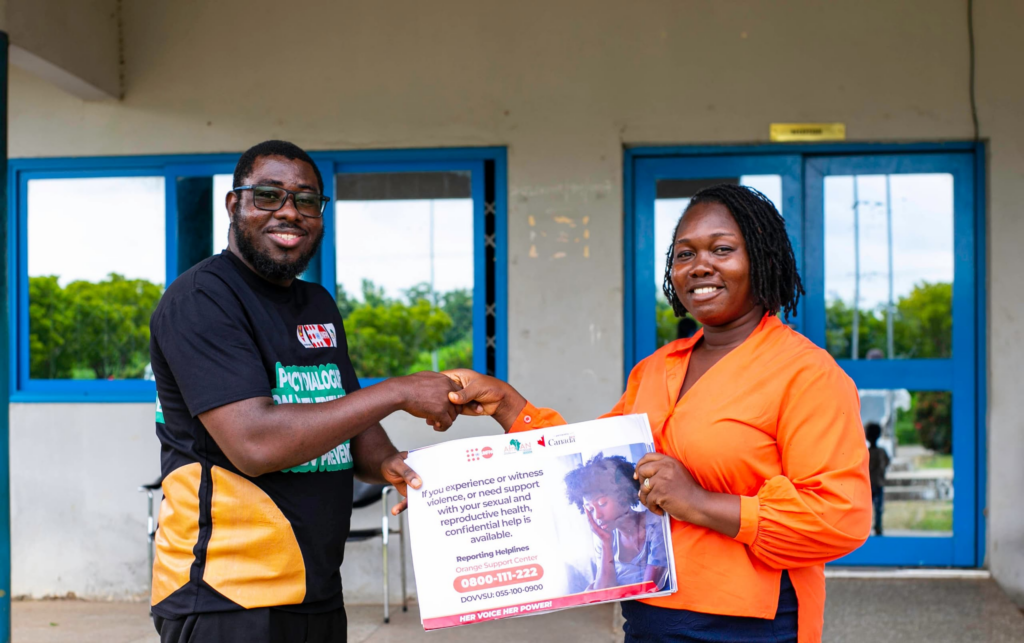

Young people across the Oti Region have mounted a forceful call for systemic change to protect adolescents from sexual violence and improve access to reproductive health services, signalling growing frustration with gaps in current policy and community response mechanisms.
The demands emerged from a Regional Youth-Led Dialogue held in Dambai, hosted by the LoveAid Foundation as part of the AfriYAN programme. The forum brought together youth activists, policymakers, local authorities and community stakeholders to tackle the interconnected challenges of sexual and reproductive health and rights (SRHR) and sexual and gender-based violence (SGBV)—issues that disproportionately affect young people in the region.
What young people are demanding
Participants outlined a comprehensive set of recommendations reflecting deep frustration with current approaches. They emphasised that parents must move beyond silence and shame, instead creating safe home environments where children feel comfortable discussing sexuality, relationships and personal safety. The youth stressed that this responsibility cannot fall to schools alone.
Critically, dialogue participants called for an end to customary settlement of serious crimes. They urged traditional leaders to refer rape and defilement cases directly to state institutions rather than handling them through community mediation processes, arguing that survivors need access to formal justice systems, medical care and psychological support—not compromise settlements.
Additional demands included:
- Deployment of trained counsellors to primary and junior secondary schools across the region
- Regular SRHR and SGBV training for all teachers
- Expanded vocational and practical skills programmes, especially in high-teenage-pregnancy communities
- Capacity-building for Social Services Sub-Committees to improve case handling
- Stronger referral pathways for urgent SGBV cases
- Use of cultural education and entertainment to promote responsible behaviour
Why this matters for Ghana
The Oti Region dialogue reflects broader national concerns. Ghana continues to grapple with high rates of child sexual abuse, teenage pregnancy and gender-based violence, particularly in rural areas where reporting is low and customary justice systems may undermine survivor protection. The Ministry of Health, Ghana Health Service and other agencies have launched initiatives to improve SRHR access and SGBV response, but implementation remains inconsistent across regions.
What distinguishes this Oti youth-led push is its explicit focus on reforming informal justice systems—a critical gap. In many Ghanaian communities, families and traditional leaders still resolve sexual assault cases privately, leaving survivors without medical attention, legal redress or social support. Young people are signalling that this approach perpetuates harm and silence.
The call for greater family engagement and school-based counselling also aligns with emerging evidence suggesting that preventative approaches—comprehensive sex education, mental health support and safe reporting channels—reduce both SGBV incidents and teenage pregnancy rates. Ghana's National Adolescent Health Policy recognises these priorities, but funding and teacher training remain constrained in many regions including Oti.
Next steps and coordination
Dialogue participants concluded with a call for coordinated action among parents, educators, traditional authorities, social services, policymakers and youth themselves. Success will depend on whether regional and district assemblies translate these recommendations into budgeted action plans, whether teachers receive training and support, and whether traditional leaders genuinely shift their approach to SGBV cases.
The Oti youth have framed their demands not as rejection of tradition but as modernisation of community responsibility—a framing that may help build the cross-generational consensus needed for real change. The test now lies in implementation and political will.
Source: MyJoyOnline





Comments (0)
Be the first to comment.