Opposition MP Denounces Cocoa Price as 'Deceptive,' Calls for Better Farmer Returns

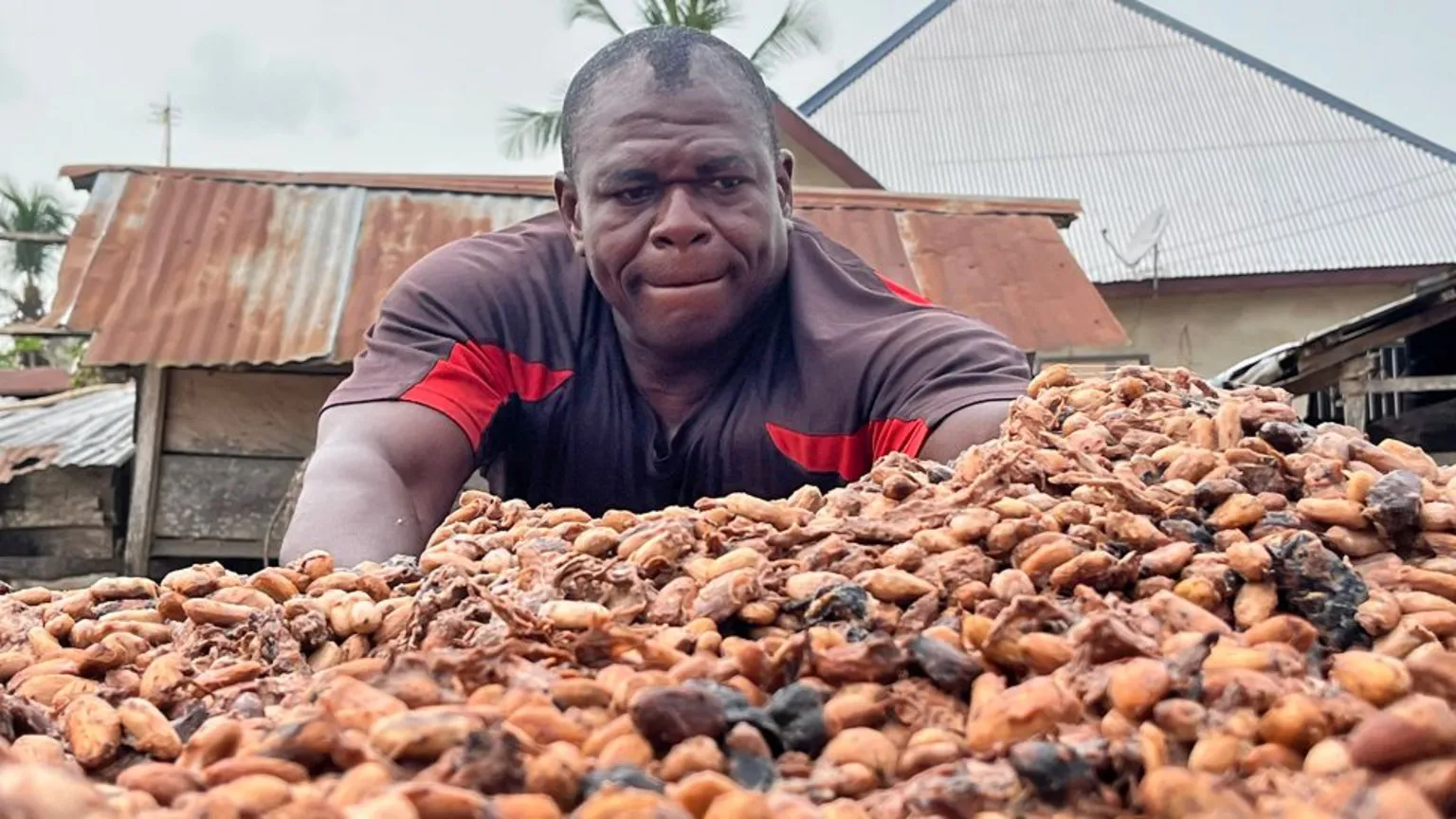
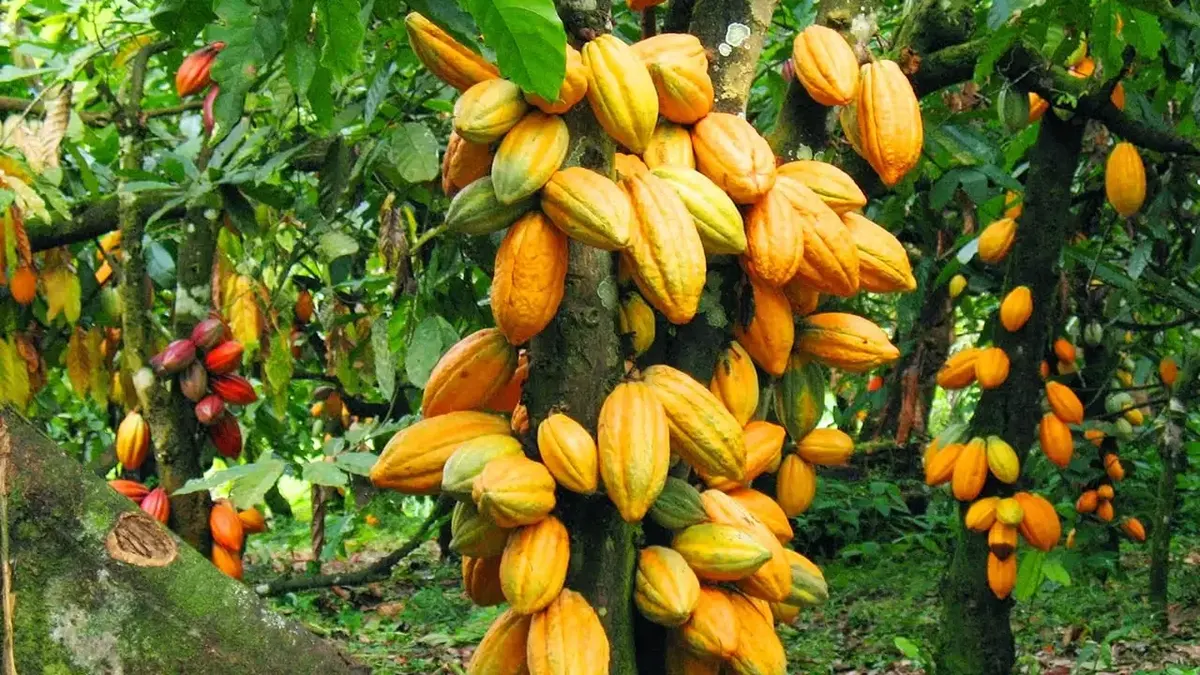
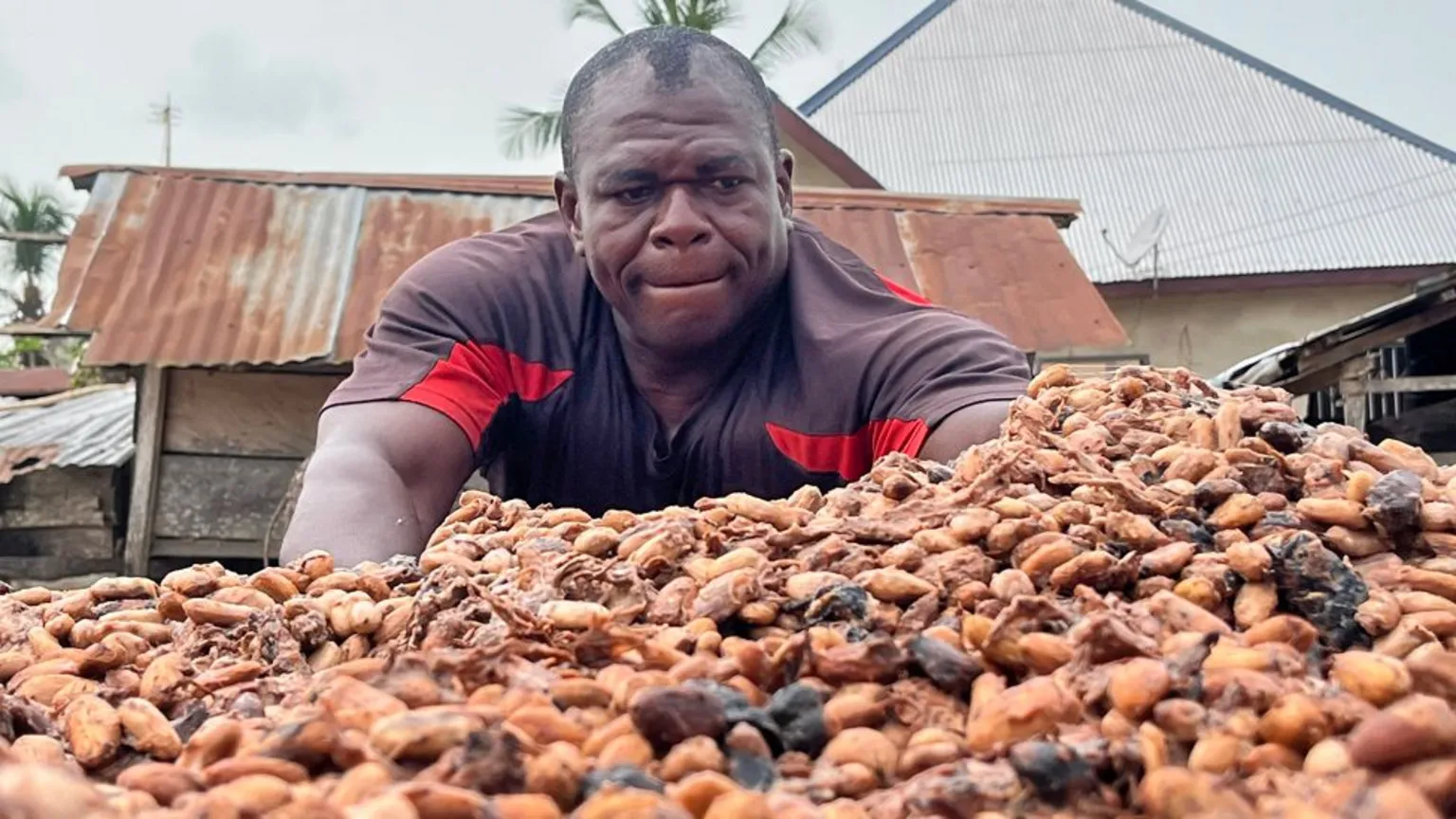
Ghana's cocoa pricing policy has drawn sharp political fire after the government announced a new farm gate price of GH¢2,650 per 64-kilogramme bag. Minority Chief Whip Frank Annoh-Dompreh, representing Nsawam-Adoagyiri, has condemned the decision as inadequate, signalling deepening tensions between opposition and government over agricultural compensation.
Speaking on social media, Annoh-Dompreh accused the administration of operating with "impunity" and claimed the pricing announcement removes any pretence of transparency. His criticism extends beyond cocoa, pointing to systemic challenges affecting farmers across multiple sectors who are struggling to sustain viable livelihoods.
Broader Agricultural Crisis
The controversy highlights a wider crisis in Ghana's farming sector. Beyond cocoa—historically the nation's most valuable agricultural export—producers of staple crops including rice, maize and yam face mounting economic pressure. Farmers in these subsectors have reported declining profit margins, rising input costs and limited market access, concerns that have largely gone unaddressed by current agricultural policy.
The Minority Caucus has formally articulated demands for transparent pricing mechanisms across all major agricultural commodities, not merely reactive price-setting after harvest seasons. Opposition figures argue that sustainable agricultural policy must prioritise farmer livelihoods through predictable, fair pricing and protective regulations rather than ad-hoc government intervention.
Why It Matters for Ghana
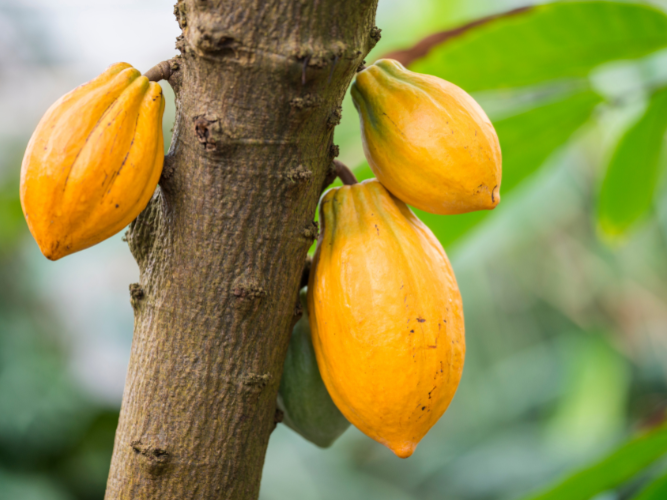
Cocoa remains central to Ghana's economy and export earnings, with the sector employing millions directly and indirectly. When farmer returns fall below production costs, entire supply chains destabilise—storage costs rise, quality deteriorates and smallholder producers exit farming altogether. This threatens both immediate rural employment and long-term sector viability.
The political dispute also reflects a deeper governance question: how agricultural pricing decisions are made and whether farmers have genuine voice in processes affecting their survival. Annoh-Dompreh's invocation of "scales of deception" suggests opposition concerns that pricing announcements lack justification or farmer consultation. For Ghana's predominantly rural population and the 40% of the workforce engaged in agriculture, such governance failures carry direct household impact.
Beyond electoral politics, the cocoa price controversy underscores Ghana's broader economic challenges. With inflation eroding purchasing power nationwide, agricultural producers face compounded pressure—not only do they receive less per unit sold, but production inputs cost more. Without policy intervention addressing both pricing and input support, rural poverty deepens and migration to urban centres accelerates, straining cities and depopulating productive farmland.
Path Forward
Resolving this dispute requires more than annual price announcements. Effective agricultural policy demands transparent methodologies for price-setting, genuine farmer representation in policy development, support for input affordability, and investment in agricultural value chains that reward producers fairly. Whether the government and opposition can collaborate on such reforms remains unclear, but the stakes for Ghana's food security and rural prosperity are undeniably high.
Source: The Ghana Report
Comments (0)
Be the first to comment.