
Proposed cocoa pricing reforms could destabilise Ghana's farming sector, warns Minority leader
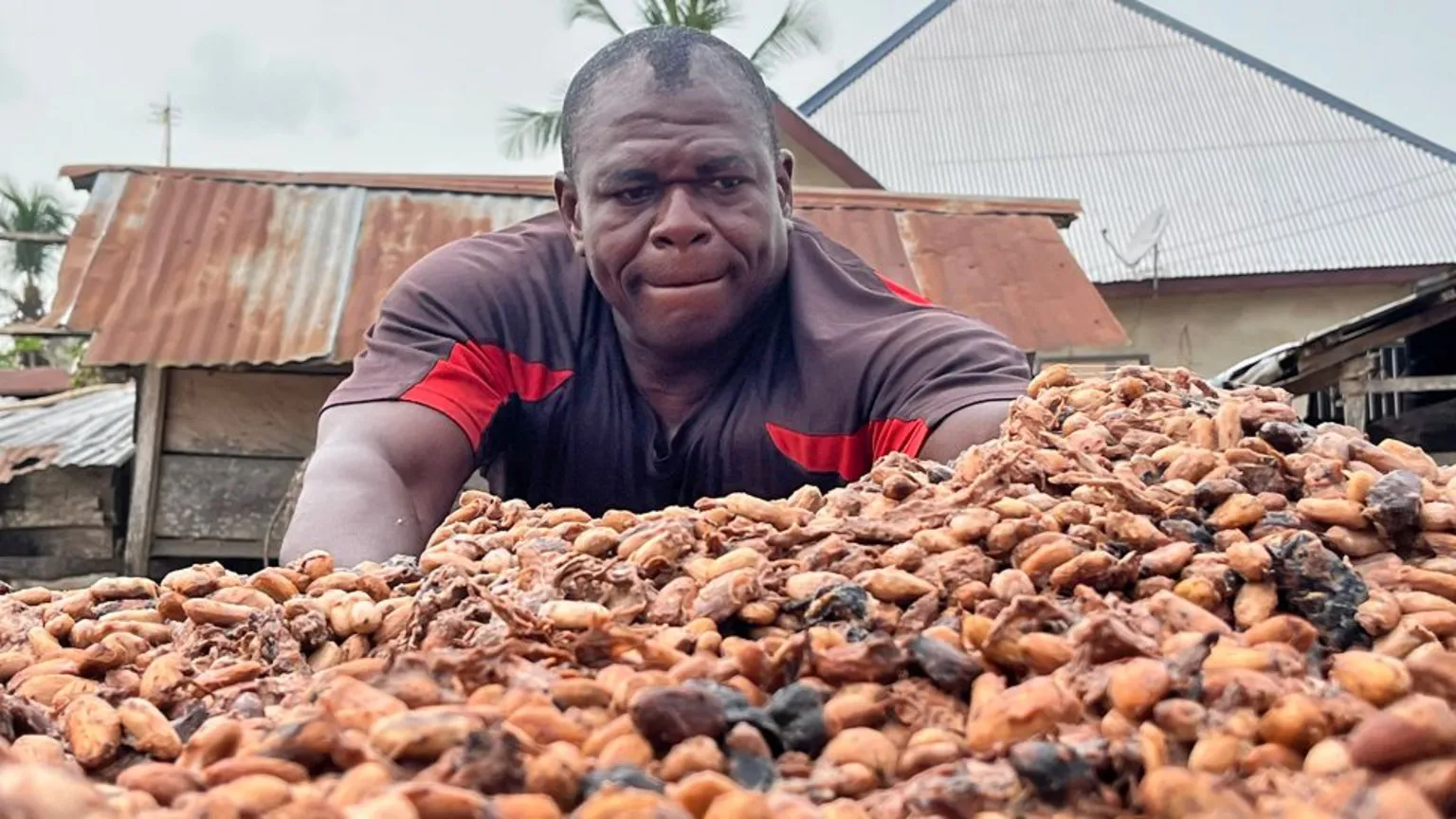

Ghana's cocoa sector faces potential disruption if government proceeds with planned pricing reforms without proper stakeholder consultation, according to Kojo Oppong Nkrumah, Ranking Member of Parliament's Economy and Development Committee. The Ofoase Ayirebi MP has raised alarm over a proposed new cocoa pricing formula that he argues could leave farmers significantly worse off by eliminating the price certainty they have long depended upon.
Speaking on JoyNews' PM Express, Oppong Nkrumah cautioned that major policy changes affecting Ghana's crucial cocoa industry should not be rushed through Parliament without broad engagement with farmers and other industry players. He pointed to the government's previous decision to slash cocoa prices by roughly 30% as evidence of how hasty policy decisions can cause widespread harm across cocoa-growing communities nationwide.
The core concern: loss of guaranteed prices
At the heart of the debate is the minimum guaranteed farm-gate price—a system that has long provided cocoa farmers with predictability at the start of each growing season. Under current arrangements, farmers know in advance the lowest price they will receive for their crop, enabling them to plan production and household budgets with confidence.
The proposed new formula, according to Oppong Nkrumah, would undermine this stability. While initial proposals suggested farmers would receive 70% of Free on Board (FOB) international prices, government has since introduced what he describes as "some other mechanism" for price determination. This shift means prices would fluctuate throughout the season rather than remain fixed, leaving farmers vulnerable to international market volatility they cannot control.
"The formula they want to use now for cocoa pricing, we think, is inimical to the interest of the cocoa industry," Oppong Nkrumah stated. He emphasised that the oscillating nature of the proposed system is particularly problematic for an industry built on the expectation of pricing certainty.
Why it matters for Ghana
Cocoa stands as one of Ghana's most critical revenue sources and largest agricultural exports, supporting hundreds of thousands of farming families across the country. The sector's stability directly affects rural incomes, food security, and Ghana's foreign exchange earnings.
A shift to variable pricing could have cascading effects: farmers may become reluctant to invest in quality improvement or maintain their farms if income becomes unpredictable; younger Ghanaians may abandon cocoa farming for other livelihoods, shrinking the workforce; and rural communities dependent on cocoa revenue could face economic hardship. Additionally, destabilised cocoa production threatens Ghana's market share globally at a time when competitors like Côte d'Ivoire are strengthening their positions.
The Minority's insistence on stakeholder consultation reflects broader concerns about repeating past policy mistakes. The 30% price cut decision, made without adequate farmer input, damaged confidence in government's management of the sector and caused real hardship in cocoa communities.
Next steps: Parliament's decision pending
The Parliamentary Minority has formally requested that lawmakers pause consideration of the Cocoa Board reforms bill to allow wider engagement with farmers, industry bodies, and other stakeholders. Oppong Nkrumah stressed that discussions remain ongoing and that the matter is "not a done deal yet."
He called for Parliament to hear directly from cocoa farmers before passing any legislation that could reshape the industry's fundamental economics. The Minority plans to submit further proposals as the legislative process continues, signalling that this debate will remain contested in the coming weeks.
Source: MyJoyOnline



Comments (0)
Be the first to comment.