Parliament must consult cocoa farmers before passing Board Reforms Bill – Oppong Nkrumah warns

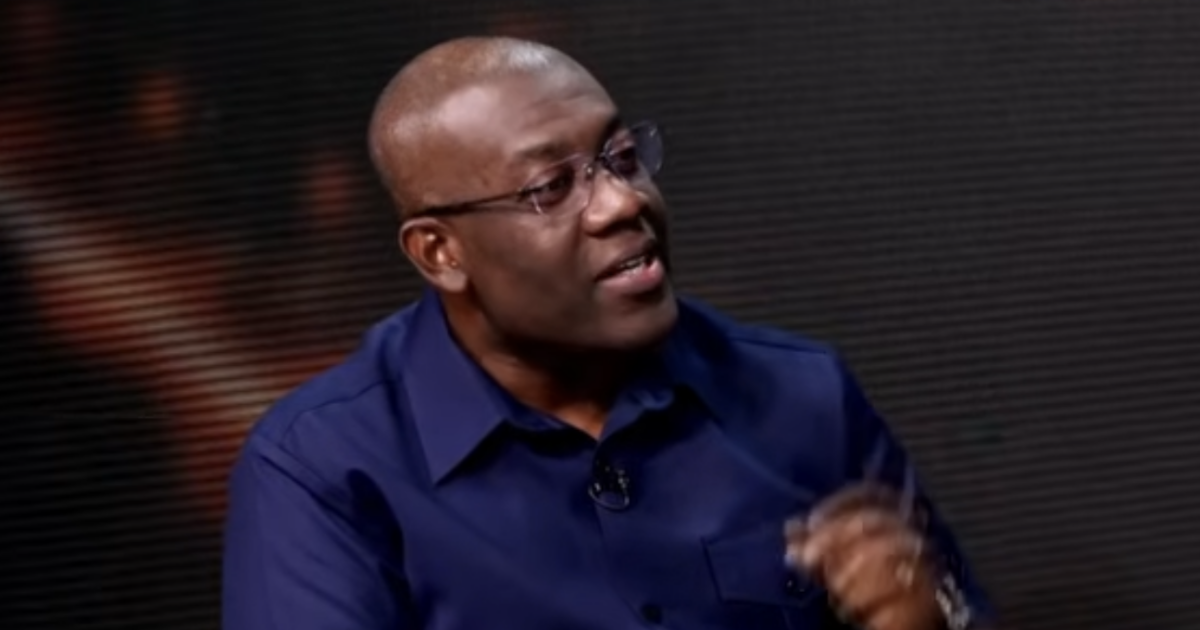
Ghana's cocoa industry faces a critical juncture as Parliament prepares to debate the Cocoa Board Reforms Bill, with opposition lawmakers sounding alarm over proposed changes to how the nation's most important cash crop is priced and managed. Kojo Oppong Nkrumah, Member of Parliament for Ofoase-Ayirebi, has called for a halt to expedited proceedings, demanding that cocoa farmers and key stakeholders have a meaningful voice in shaping legislation that could fundamentally reshape an industry worth billions to the economy.
The pricing mechanism at the heart of the dispute
The controversy centres on how cocoa farmers will be compensated under the reformed system. Oppong Nkrumah has flagged what he describes as a flawed pricing formula embedded in the bill. Whilst initial proposals referenced paying farmers 70 per cent of Free on Board (FOB) prices—a standard international reference point—the government has shifted to an alternative mechanism that the Minority views with suspicion.
The former Information Minister argues this new approach threatens to dismantle Ghana's long-standing minimum guaranteed farm-gate price system. This guaranteed price has traditionally provided farmers with income certainty, encouraging investment in cocoa production year after year. Under a market-fluctuating model, he warns, farmers would face unpredictable earnings that fail to account for the unique realities of Ghana's cocoa sector.
"It will put a lot of our cocoa farmers at a disadvantage because what it will do is that it will not be able to do what we have done from times past, provide what we call the minimum guarantee farm gate price," Oppong Nkrumah explained, underscoring how pricing volatility could discourage farmers from expanding or maintaining their operations.
Why this matters for Ghana
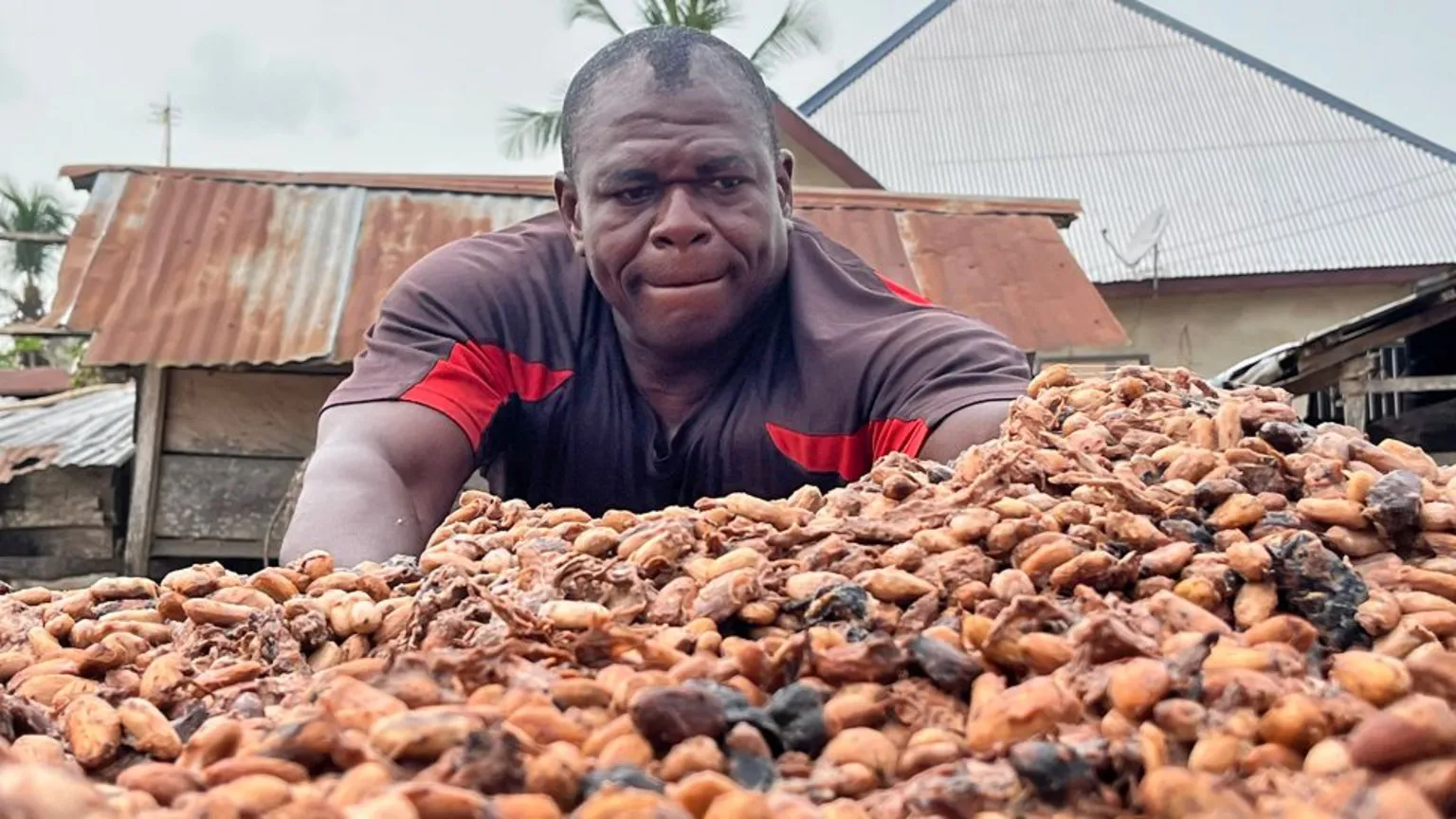
Cocoa exports generate substantial foreign exchange for Ghana and employ hundreds of thousands of people across farming communities nationwide. The sector's health directly impacts rural livelihoods, government revenue, and the nation's macroeconomic stability. History weighs heavily on this debate: a previous government decision to cut cocoa prices by approximately 30 per cent created visible hardship in producing regions, a lesson that underscores the sector's sensitivity to policy changes.
Oppong Nkrumah's intervention highlights a fundamental governance question—whether major economic reforms affecting vulnerable populations should bypass adequate consultation. The Minority's position is that Parliament cannot responsibly legislate on cocoa policy without hearing directly from the farmers whose livelihoods depend on it. Any reform perceived as diminishing farmer protections risks undermining production incentives, potentially damaging Ghana's competitive position in global cocoa markets at a time when production challenges already threaten output.
The call for stakeholder engagement also reflects broader concerns about transparency in policymaking. If cocoa farming communities feel excluded from decisions that affect them, trust in government institutions erodes, and implementation becomes harder even after bills pass into law.
Next steps and ongoing debate
Parliament has not yet completed its consideration of the bill, and Oppong Nkrumah has confirmed the Minority intends to table further submissions before a final vote. The government's position on whether to pause proceedings for extended consultation remains to be clarified, though the intensity of opposition suggests pressure is mounting.
For Ghana's cocoa industry—still recovering from disease pressures and climate challenges—getting pricing reform right is essential. Whether Parliament heeds calls for deeper stakeholder involvement may well determine whether the Cocoa Board Reforms Bill strengthens or weakens the sector.
Source: The Ghana Report
Comments (0)
Be the first to comment.