
Okada sector moving towards regulation as CNMRU defends government progress
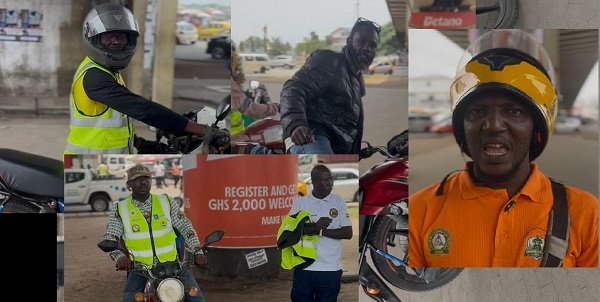

Ghana's commercial motorcycle sector appears to be gaining traction toward formal regulation, with the Commercial National Motor Riders Union (CNMRU) dismissing claims of government abandonment and pointing to concrete legislative steps underway.
The union's public defence follows allegations by a rival group, the Okada Riders Association (ORAG), that the government has neglected riders who backed the National Democratic Congress during the 2024 general election. The CNMRU countered these claims on 18 August, presenting what it describes as tangible evidence of progress.
Regulatory framework taking shape
According to the CNMRU statement, the government established a technical committee after the 2024 elections to research and develop a formal system for regulating commercial motorcycle operations. A key milestone in this process involved a delegation travelling to Rwanda to study how that country manages its Okada sector—a visit that included representatives from the CNMRU, National Road Safety Authority, Driver and Vehicle Licensing Authority (DVLA) and the Ministry of Transport.
The union confirmed that a bill regulating commercial motorcycle operations has already been laid before Parliament and is progressing through the legislative process. Beyond parliament, practical measures are unfolding across the country. The CNMRU outlined ongoing nationwide sensitisation programmes aimed at educating riders on road safety, licensing requirements, and the anticipated legal framework.
Efforts to improve accessibility are also underway, with the union reporting coordination with the DVLA to bring mobile licensing services to riders and assist them in obtaining driving licences at subsidised rates. Additionally, an electric motorcycle initiative is in the pipeline, intended to give commercial riders access to environmentally friendly bikes under a work-and-pay arrangement.
Why it matters for Ghana
Okada operations represent a significant employment sector across Ghana, providing livelihoods for thousands of informal workers in urban and peri-urban areas. However, the sector has long operated in a regulatory grey zone, creating challenges around safety, taxation, insurance and road discipline. Formalisation through legislation could standardise safety requirements, improve rider training, and integrate the sector into Ghana's broader transport and fiscal frameworks.
The government's commitment to this process also reflects political promises made during the election campaign. By demonstrating legislative and administrative progress—rather than simply abandoning pledges—the NDC administration aims to show responsiveness to a constituency that mobilised support. For riders themselves, regulation promises clearer rights and protections, though concerns about compliance costs and operational restrictions remain.
The CNMRU's acknowledgement that not all challenges facing Okada riders have been resolved suggests the journey toward full regulation is incomplete, with ongoing dialogue needed between unions, government agencies and riders.
Next steps and challenges
The CNMRU urged riders, media and the public to distinguish between what it termed political propaganda and genuine regulatory work. This language hints at friction between different rider organisations, with the CNMRU positioning itself as the legitimate representative engaged constructively with government, while dismissing ORAG claims as misleading.
As the bill moves through Parliament, implementation challenges—including enforcement, capacity at regulatory agencies, and acceptance among informal operators—will likely emerge. The outcomes from Rwanda's study and the pace of parliamentary consideration will be critical in determining how quickly Ghana moves from legislative framework to practical regulation.
Source: The Ghanaian Times



Comments (0)
Be the first to comment.