Ghana's Okada Sector Faces Major Overhaul: Individual Riders Must Join Unions by 2027

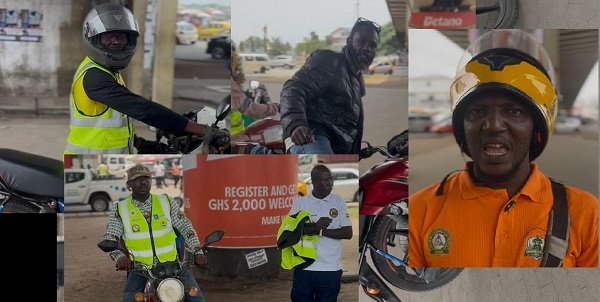
Ghana's unregulated okada sector is set for a significant transformation. The National Road Safety Authority (NRSA) has announced it will cease registering individual commercial motorbike riders from January 1, 2027, instead requiring all operators to join officially recognised unions or work under registered companies. The policy aims to bring order and accountability to an industry that has long operated in regulatory grey areas across the country.
Abraham Amaliba, the NRSA Director-General, unveiled the plan on Wednesday, September 30, 2026, signalling the end of an era in which thousands of informal okada riders registered and operated as independent operators. Under the new system, only unions and transport companies will secure NRSA registration, and individual riders must obtain union membership or formal employment before seeking commercial operating licences.
How the New System Will Work
The restructured registration process will involve a coordinated approach between the NRSA and the Driver and Vehicle Licensing Authority (DVLA). Once a union or company registers with the NRSA, the Authority will forward member details to DVLA, which will then issue vehicle registration numbers and motorcycle number plates. This creates a traceable chain linking each rider to their union or employer, making enforcement of safety and conduct standards easier.
The rollout will begin in the fourth quarter of 2026 with a public launch campaign inviting unions to register. The NRSA plans to place advertisements encouraging okada unions to come forward for registration during this period. Full implementation commences on January 1, 2027, after which no unaffiliated riders will be able to obtain fresh registration or licences.
Why This Matters for Ghana
This policy shift addresses long-standing concerns about okada safety and accountability in Ghana. The sector has grown exponentially over the past decade, becoming a vital transport option in urban areas and a major employment source. However, the lack of formal regulation has contributed to frequent accidents, inadequate insurance coverage, and disputes between riders and passengers with limited recourse.
For commuters, mandatory union membership could theoretically improve safety standards, as unions would bear responsibility for enforcing rider conduct, vehicle maintenance, and compliance with traffic laws. For riders themselves, the transition presents both challenges and opportunities. While individual independence decreases, formal union membership may provide access to collective bargaining power, dispute resolution mechanisms, and potentially better insurance arrangements.
The policy also reflects Ghana's broader push to formalise informal economy sectors. By bringing okada operators into regulated structures, authorities gain visibility into the industry, can track accident patterns more effectively, and enforce penalties for traffic violations more consistently. This aligns with the NRSA's mandate to reduce road accidents and fatalities.
However, questions remain about implementation challenges. Okada unions vary significantly in capacity, professionalism, and geographic spread. Success depends on whether established unions can absorb the registration influx and whether new unions emerge in areas currently underserved. The Authority has not yet clarified registration costs, processes, or timelines for existing riders to transition into unions before the January 2027 deadline.
Industry stakeholders, including established okada unions and transport operators, will likely welcome clearer regulation, though enforcement mechanisms and government support for the transition will be critical to the policy's credibility and success.
Source: Today GH

Comments (0)
Be the first to comment.