
Nigerian Actress Patience Ozokwor's Parenting Wisdom Resonates Across West Africa: Why Ghanaian Parents Should Listen
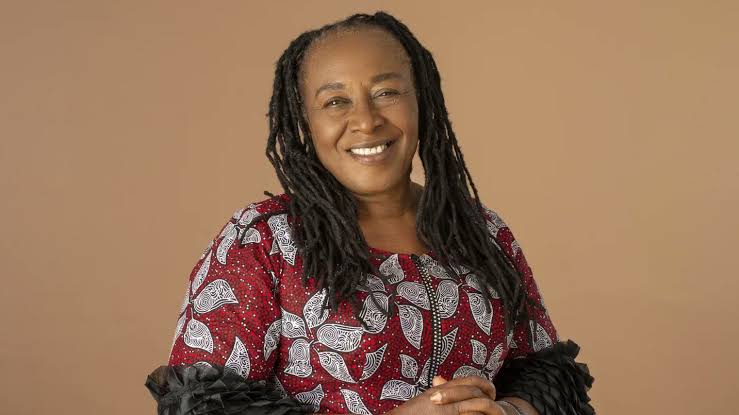

Patience Ozokwor, a celebrated Nigerian actress with a decades-long career in Nollywood, has reignited a critical conversation about modern parenting that extends well beyond Nigeria's borders into Ghana and across West Africa. In recent remarks, Ozokwor challenged the prevailing culture of over-protection, arguing that shielding children from life's difficulties may ultimately harm their development into capable, self-reliant adults.
The actress's core argument is straightforward yet profound: children who never experience struggle struggle most when they must navigate the real world independently. According to Ozokwor, exposure to manageable challenges—what she describes as "little pains"—builds the resilience and decision-making capacity essential for adulthood. She emphasised that comfort cannot be guaranteed in life, and early exposure to this reality equips young people with the emotional and practical tools they need to cope.
A Personal Testament to Hard Work
Ozokwor's conviction stems from lived experience. During her early career in the film industry, she worked multiple jobs, including selling food at film locations whilst pursuing acting roles. She credits these struggles with teaching her invaluable lessons about perseverance, work ethic and self-reliance. Rather than viewing those years as deprivation, she frames them as formative experiences that shaped her character and career longevity.
This personal narrative carries particular weight in Ghanaian and broader West African contexts, where many citizens have similar stories of grinding hard work to achieve success. For Ghanaian parents and young people, Ozokwor's example offers validation that struggle is not shameful—it is often the foundation of achievement.
A critical part of her message targets a specific parenting trap: the assumption that inherited wealth or family resources will always sustain the next generation. Ozokwor warns against raising children with this expectation, instead urging parents to encourage their children to develop marketable skills, pursue genuine ambitions and build independent livelihoods. This is especially relevant in Ghana, where economic uncertainty and generational wealth disparities mean that many young people cannot rely on family inheritance alone.
Why This Matters for Ghana
Ozokwor's commentary arrives at a moment when many Ghanaian families grapple with competing pressures: the desire to provide security for children and the recognition that over-provision can breed entitlement and dependence. Ghana's informal economy and competitive job market mean that resilience, adaptability and a willingness to start small are often prerequisites for success.
The actress's call for balance is particularly timely. She is not advocating for neglect or exposing children to genuine danger or trauma—rather, she advocates for age-appropriate challenges that teach responsibility and self-sufficiency. Examples might include requiring teenagers to earn pocket money through chores, encouraging young adults to contribute to household expenses or allowing children to experience natural consequences of their choices.
Her remarks have generated mixed reactions. Supporters argue that resilience is a crucial life skill best learned early, whilst critics caution against conflating resilience-building with deliberate hardship. The distinction is important: there is a measurable difference between allowing a child to fail at a school assignment and knowingly depriving them of basic needs.
Building Independence in Modern Ghana
For Ghanaian families, the broader lesson is clear: independence and self-reliance are assets that must be deliberately cultivated. Parents who do everything for their children rob them of the chance to discover their own capabilities. Conversely, parents who strategically step back—allowing teenagers to make mistakes, manage small budgets and work toward goals—invest in their children's future capacity to thrive.
Ozokwor's message also challenges a cultural narrative that sometimes equates love with total provision. In Ghana, as across Africa, family support is a cornerstone of society. Yet there is a vital distinction between supporting a child's growth and stunting it through over-protection. The most loving parents, Ozokwor suggests, are those who equip their children to stand on their own feet.
Source: Ameyaw Debrah





Comments (0)
Be the first to comment.