
NIA's New Mobile App to Bring Ghana Card Biometric Verification to Your Fingertips


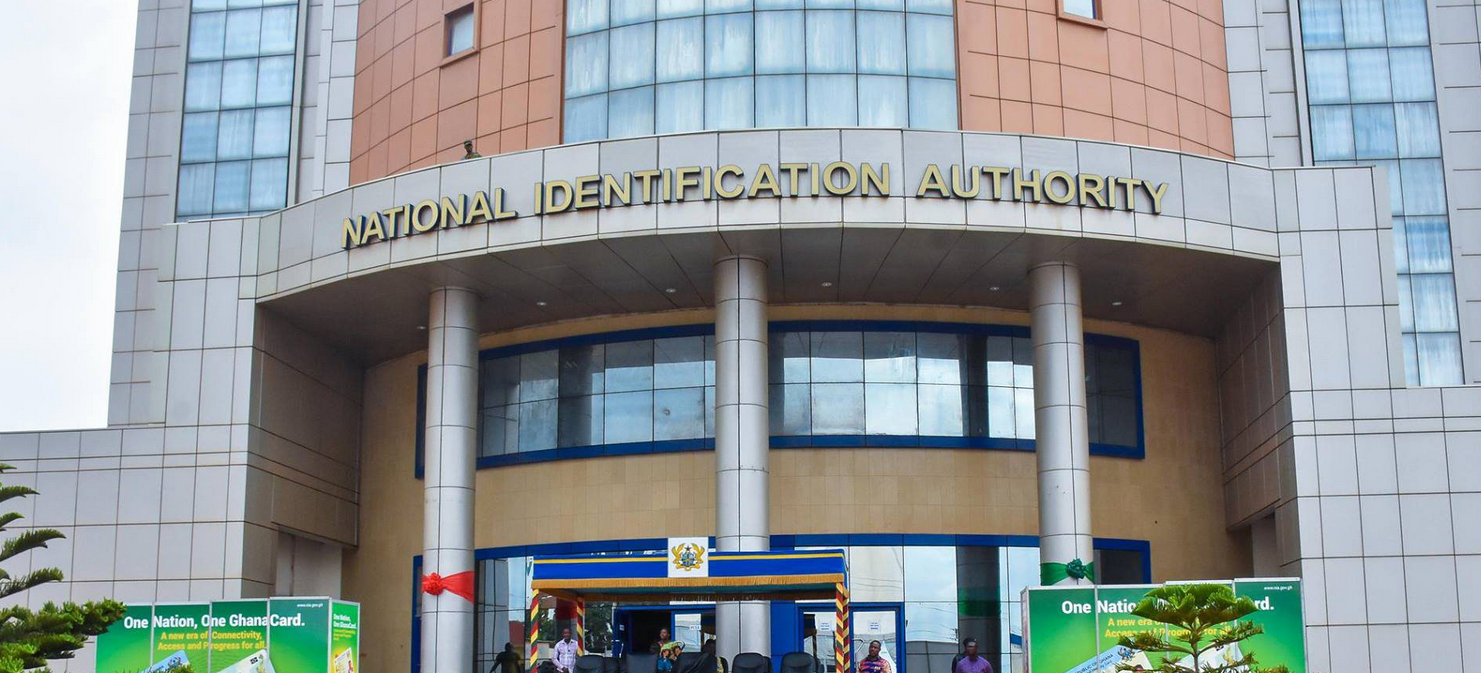
The National Identification Authority (NIA) is set to roll out a dedicated mobile application that will make Ghana Card biometric identity verification accessible to ordinary individuals and small businesses — a move that significantly broadens who can use the country's official identity infrastructure beyond large, certified institutions.
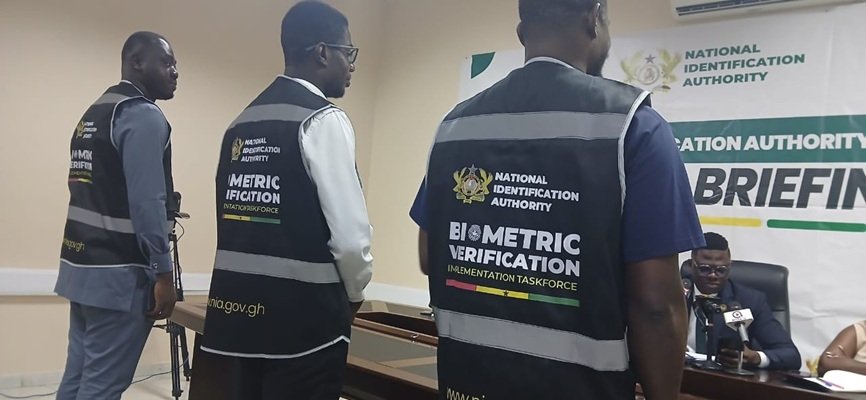
The announcement was made at a press briefing in Accra by the NIA's Director of Corporate Affairs, Williams Ampomah Emmanuel Darlas, who outlined the app's purpose, cost structure and the regulatory backdrop that made its development necessary.
What the app does and who it is for
The mobile application is designed to deliver a straightforward biometric check: it will confirm, with a simple yes or no, whether the biometric details of a person match the records held on the National Identity Register. There are no complex dashboards or institutional workflows — just a clear, immediate verification result.
The app is specifically aimed at users who cannot easily meet the administrative and certification requirements attached to the NIA's existing main verification platform. To access that platform, organisations must first obtain certification from the Data Protection Commission — a process that, while important for data protection, can be a barrier for sole traders, market vendors, small enterprises and private individuals who have legitimate reasons to confirm someone's identity.
Mr Darlas noted that access to the main platform is not prohibitively expensive for those who do qualify, with some institutions paying as little as 10 pesewas per verification depending on their operational needs. The mobile app is expected to offer similarly accessible pricing, though specific figures for the app were not announced.
Why it matters for Ghana
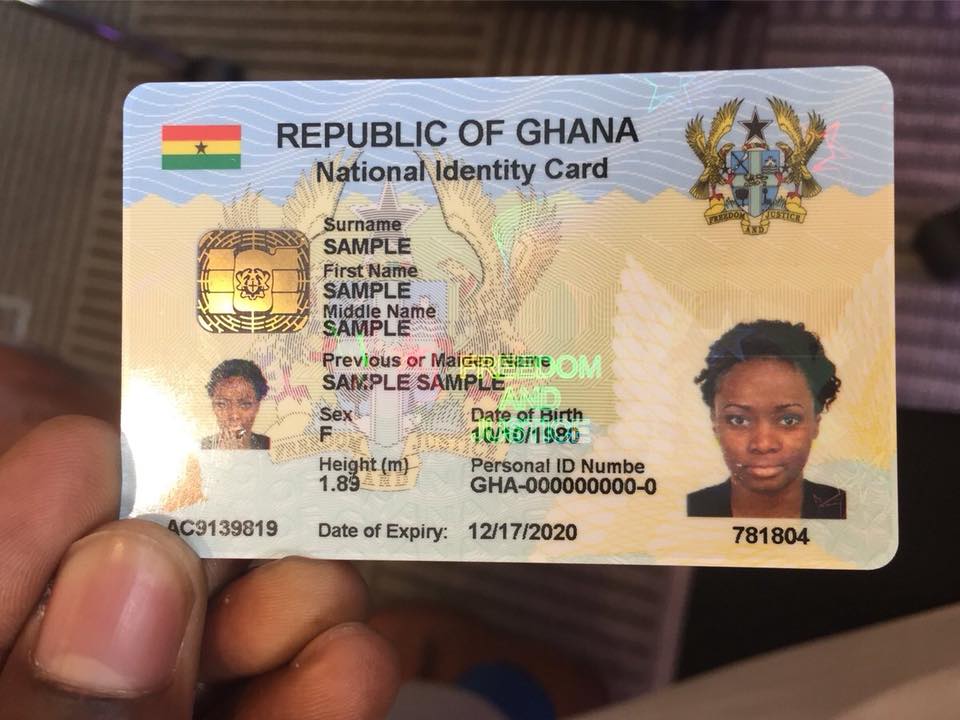
The timing of this development is directly linked to a significant regulatory shift. The NIA recently began enforcing the National Identity Register (Amendment) Regulations, 2026 — known as L.I. 2523 — which explicitly ban the photocopying, scanning and visual inspection of Ghana Cards as acceptable forms of identity verification. In other words, simply looking at someone's card or making a photocopy of it is no longer a legally recognised method of confirming identity.
This regulation has wide-ranging implications for everyday transactions across Ghana. Landlords verifying tenants, small shops offering credit, mobile money agents confirming customers, informal lenders checking borrowers — all of these scenarios previously relied on visual checks or photocopies of the Ghana Card. With those practices now prohibited, there is an urgent need for a practical, low-barrier alternative.
The NIA's mobile app is intended to fill precisely that gap. Rather than leaving small businesses and private citizens without a lawful means of verification, the Authority is providing a digital tool that works within the new legal framework while remaining simple enough for everyday use.
Mr Darlas also assured the public that the application has been built with safeguards to protect users' personal data and prevent unauthorised disclosure of information — a critical consideration given the sensitivity of biometric data.
The bigger picture for digital identity in Ghana
Ghana has made considerable strides in building a national digital identity ecosystem anchored by the Ghana Card, which is increasingly required for access to banking, SIM registration, government services and healthcare. However, the verification infrastructure has, until now, largely served formal institutions.
- The new app democratises access to that infrastructure, potentially transforming how identity is confirmed in informal and semi-formal sectors of the economy.
- It also reinforces the government's push to move away from paper-based, easily forged methods of identification towards secure, biometric-backed verification.
- For the many Ghanaians who operate micro and small enterprises — a dominant feature of the country's economy — having an affordable, smartphone-based verification tool could reduce fraud, build trust in transactions and open doors to more formal business relationships.
The NIA has not yet announced a specific launch date for the mobile application, but its development signals a clear intent to make Ghana's identity verification ecosystem more inclusive, legally compliant and fit for the digital age.
Source: MyJoyOnline

Comments (0)
Be the first to comment.