
Ghana Card Visual Checks Now Illegal: NIA Launches Enforcement Taskforce and Warns of Heavy Fines
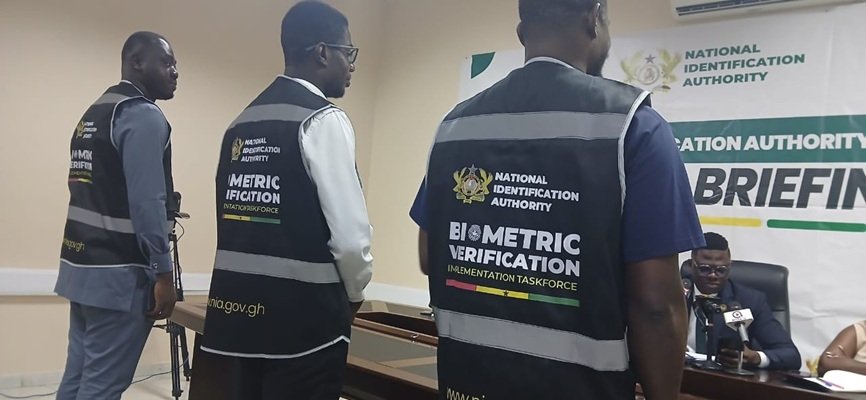

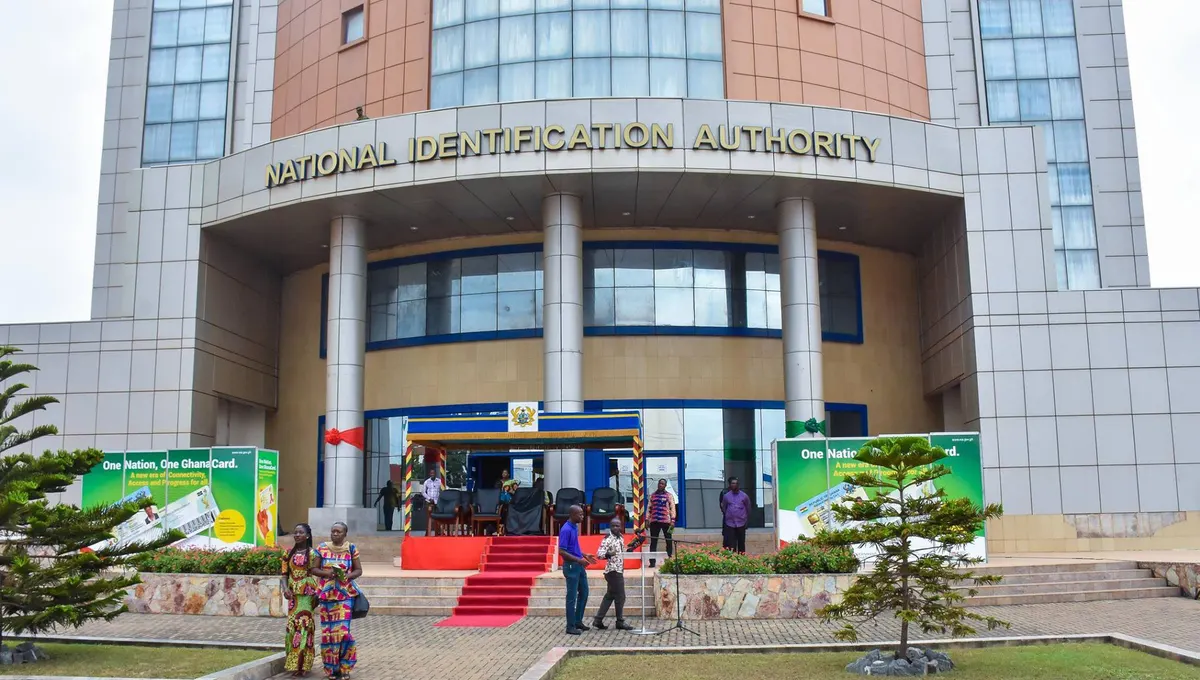
Ghanaian businesses, banks, telecoms companies and public institutions have been put on notice that the era of visually inspecting or photocopying the Ghana Card as a form of identity verification is officially over. The National Identification Authority (NIA) announced on Monday, 2 November 2026 that it has moved into the enforcement phase of the National Identity Register (Amendment) Regulations, 2026 — also known as L.I. 2523 — following the expiration of a three-month grace period that was granted to allow institutions time to adjust.
The NIA says it will deploy a dedicated Biometric Verification Implementation Task Force to conduct inspections across institutions. Those found to be flouting the new rules could face fines of between 500 and 2,000 penalty units, with the authority indicating it will take non-compliant organisations to court to enforce penalties rather than imposing fines directly.
What has changed and what institutions must now do
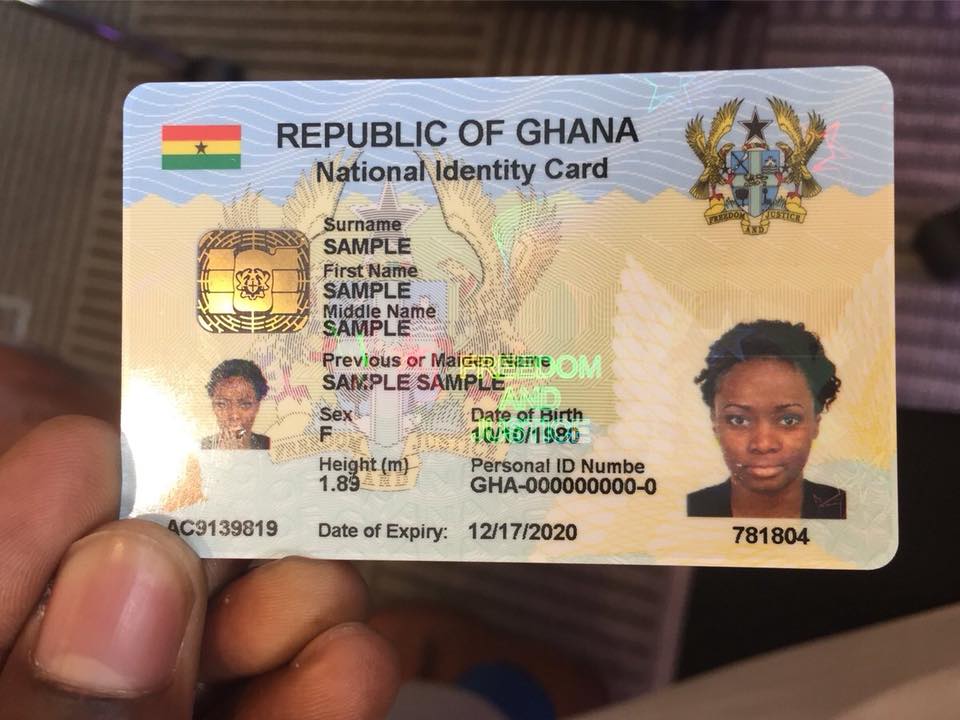
Under L.I. 2523, any institution that verifies the identity of customers or applicants as part of its normal operations must now use the NIA's approved biometric verification platform. The old practice of collecting a customer's Ghana Card, glancing at the photograph and comparing it to the person standing in front of you has been explicitly outlawed. Photocopying, scanning or retaining physical or digital copies of the Ghana Card for verification purposes is also prohibited.
Speaking at a press briefing in Accra, NIA Corporate Affairs representative William Ampomah Emmanuel Darlas explained that the new system draws on biometric data — fingerprints, iris scans and facial features — already captured and stored on the chip of each Ghana Card during the original registration process. Citizens are not required to re-register or capture fresh biometrics.
There are, however, important distinctions in how different sectors may comply. Telecommunications companies are still permitted to use the match-on-card method, which involves a customer physically presenting their Ghana Card so that their fingerprint can be matched against the data stored on the card's chip. Banks and other API-connected institutions, on the other hand, can verify customers using their Ghana Card numbers through the NIA's platform directly.
Mr Darlas was emphatic that institutions must engage the NIA directly, not through third-party intermediaries. To gain access to the National Identity Register, an institution must demonstrate that it is a legally registered company in Ghana, obtain certification from the Data Protection Commission, and complete the NIA's official onboarding process. Any institution found to have been subletting its platform access to other businesses — particularly smaller enterprises — will face legal action.
Why it matters for Ghana
Identity fraud and impersonation have long been concerns within Ghana's financial and public service sectors. The new regulations represent one of the most significant upgrades to the country's identity verification infrastructure since the Ghana Card was introduced, and they have wide-reaching implications for everyday Ghanaians and the institutions that serve them.
For ordinary citizens, the changes should ultimately mean stronger protection of their personal information and a reduced risk of someone else fraudulently using their identity. For businesses — from large commercial banks to small insurance firms — the shift requires investment in new systems and compliance processes that many may not yet have in place.
Ghana's Data Protection Act, 2012 (Act 843) remains a parallel obligation. The NIA reminded institutions that accessing citizens' biometric data carries the legal responsibility to safeguard that information. Institutions that suffer data breaches or mishandle personal data risk losing access to the NIA's platform entirely, in addition to other legal consequences under existing data protection law.
The enforcement move also signals a broader maturation of Ghana's digital identity ecosystem, aligning the country more closely with international standards for know-your-customer (KYC) and anti-fraud protocols. Regulators in the banking and telecoms sectors are expected to issue further guidance to their respective industries on implementation timelines and technical requirements.
What affected institutions should do now
- Review all existing identity verification processes to determine whether they comply with L.I. 2523.
- Ensure any access to the NIA's biometric platform has been obtained directly from the Authority, not through a third party.
- Obtain the necessary certification from the Data Protection Commission before applying for platform access.
- Discontinue any practice of photocopying, scanning or storing images of the Ghana Card.
- Contact the NIA's technical team to begin or complete the official onboarding process if not already done.
The NIA has urged all institutions to regularise their arrangements without delay, warning that the taskforce will begin inspections imminently and that ignorance of the regulations will not be accepted as a defence.
Source: The Ghanaian Times

Comments (0)
Be the first to comment.