Parliament approved new Ghana Card fees — here's what changed and when
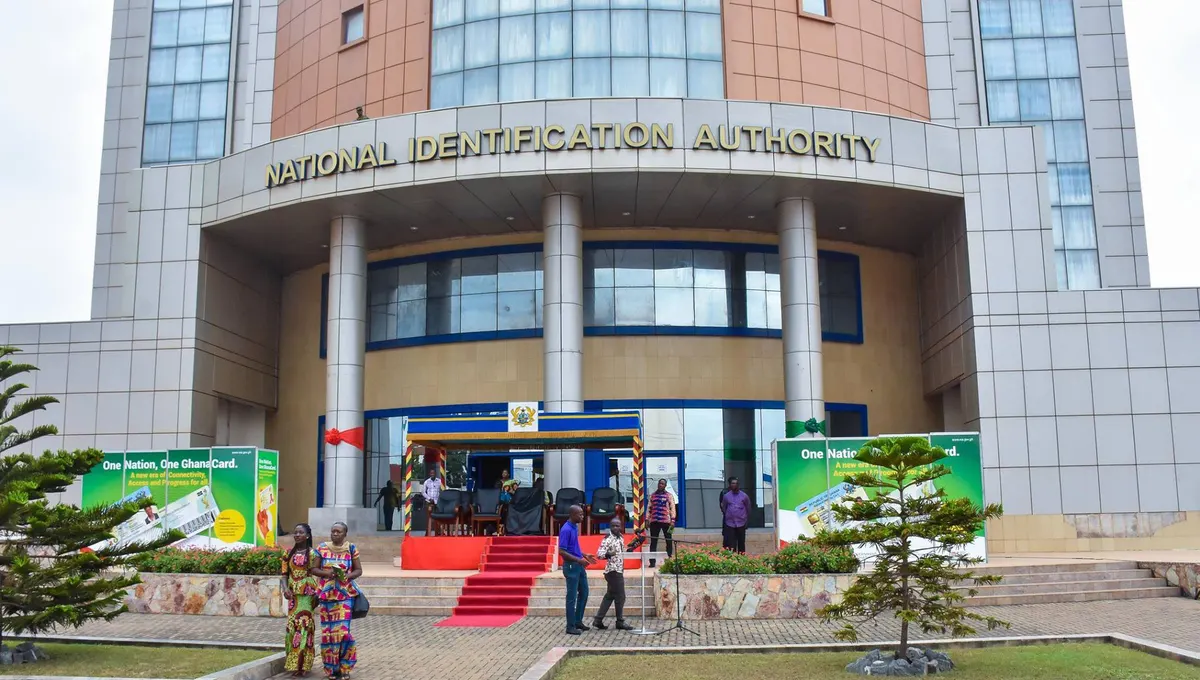
The National Identification Authority (NIA) has moved to clarify the process behind recently revised Ghana Card fees, stating that the new charges were formally approved by Parliament rather than set unilaterally by the agency.
Under Legislative Instrument 2512, Parliament gave the green light to the fee adjustments, which came into effect on February 2, 2026. This clarification addresses concerns from the public about how the new pricing structure was implemented and the authority behind the decision.
What the clarification means
The NIA's statement underscores that any changes to Ghana Card fees must go through the legislative process, ensuring democratic oversight rather than administrative decree. This follows established procedures where statutory agencies seeking to adjust service charges present proposals to Parliament for formal approval before implementation.
The timing of the clarification suggests the NIA wanted to ensure citizens understood the legitimacy of the fee revision and the parliamentary involvement in the decision. This transparency is important for public confidence in the Ghana Card programme, which serves as the primary national identification document for Ghanaians.
Why it matters for Ghana
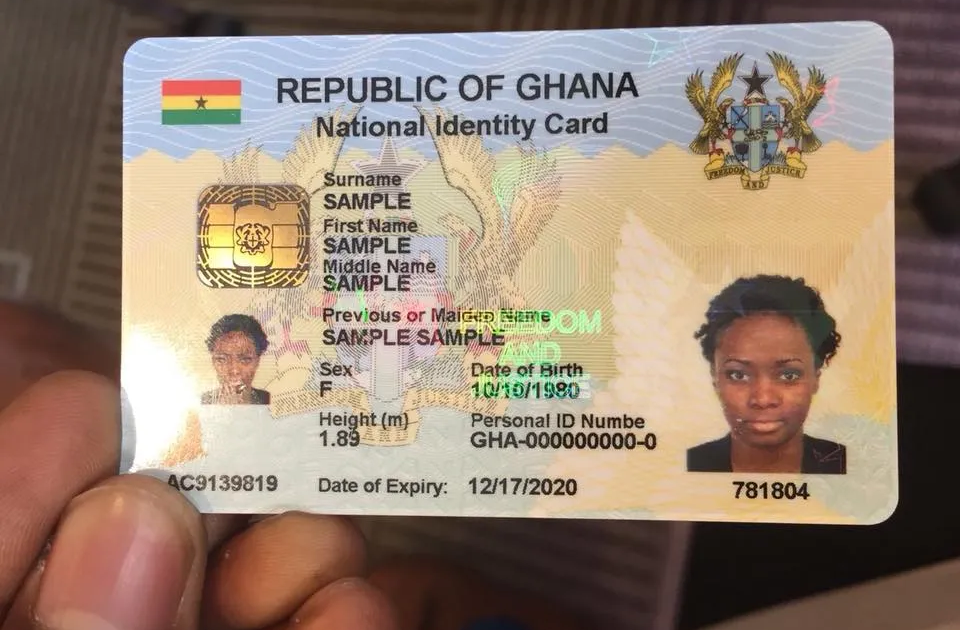
The Ghana Card remains a critical identification tool for Ghanaians accessing government services, banking, and voting. Fee changes inevitably affect citizens' access to renewal and registration services, making the process behind such decisions significant for public understanding.
By emphasising parliamentary approval, the NIA reinforces that decisions affecting public services have gone through proper institutional channels. This is particularly relevant given Ghana's commitment to transparent governance and the rule of law. Citizens can be assured that the revised fees were not arbitrary but resulted from a formal legislative process.
The clarification also helps manage misinformation that sometimes circulates around major policy changes. When agencies publicly explain the constitutional and legal basis for their decisions, it reduces confusion and builds institutional credibility.
The Ghana Card context
The Ghana Card has been rolled out progressively across the country since its introduction, becoming increasingly essential for everyday transactions. Fee adjustments have periodically been necessary to reflect operational costs and service expansion.
Previous concerns about Ghana Card administration — including registration accessibility, processing times, and fee structure — have made any changes subject to public scrutiny. The NIA's emphasis on parliamentary approval reflects lessons learned about the importance of transparency in implementing changes that affect the entire population.
Ghanaians requiring Ghana Card services should note the revised fee structure and may want to verify the new charges through official NIA channels to avoid confusion when visiting registration centres.
Source: 3News



Comments (0)
Be the first to comment.