
Your Ghana Card is still valid — NIA explains what the new biometric verification law actually changes
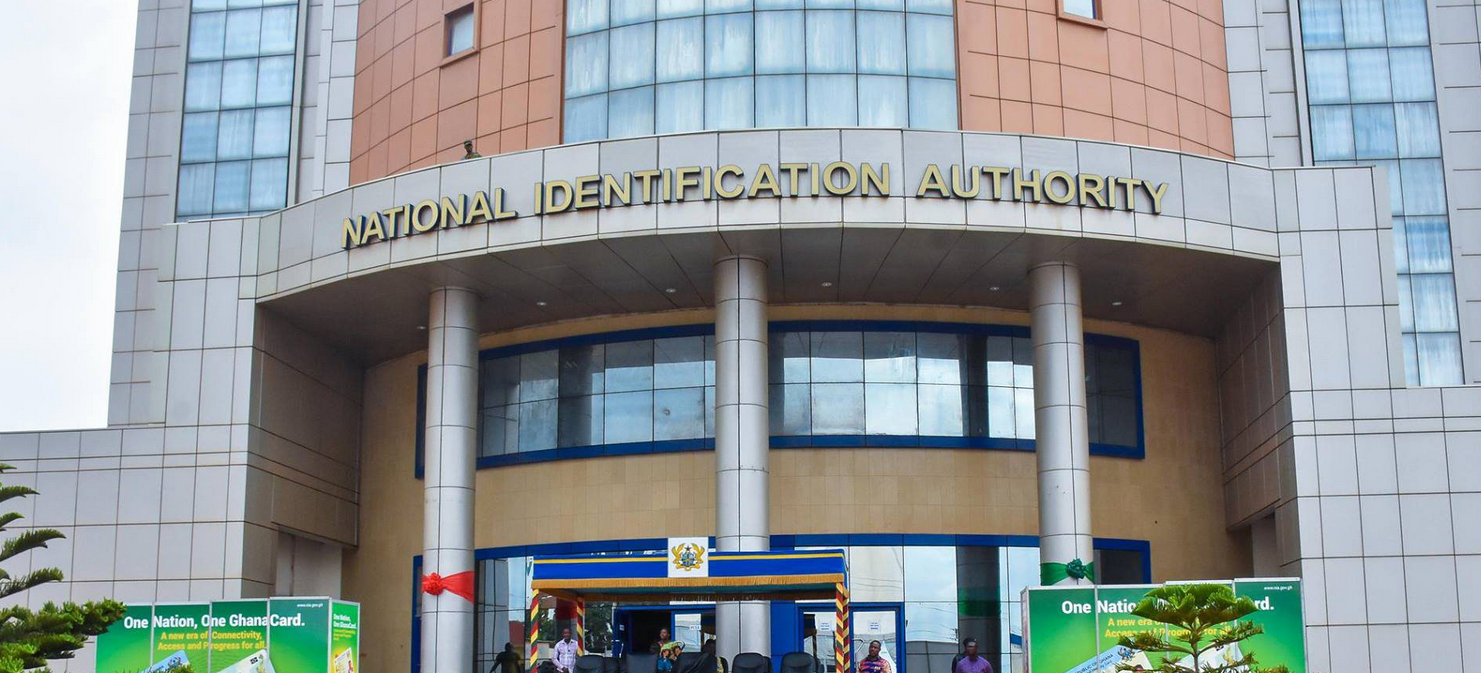

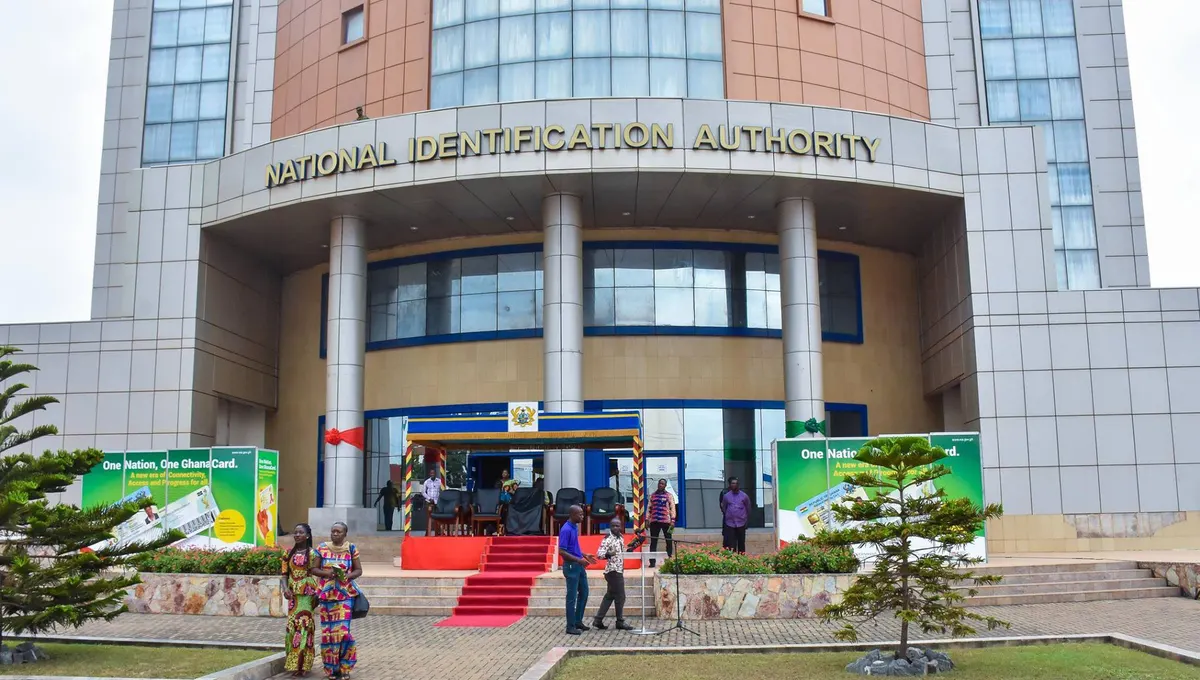
Ghanaians can breathe easy: the National Identification Authority (NIA) has made clear that the newly gazetted National Identity Register Amendment Regulation, 2026 — known as L.I. 2523 — does not mean you need a new Ghana Card or must queue up to re-register your biometrics. The regulation changes how your identity is verified, not the card itself.
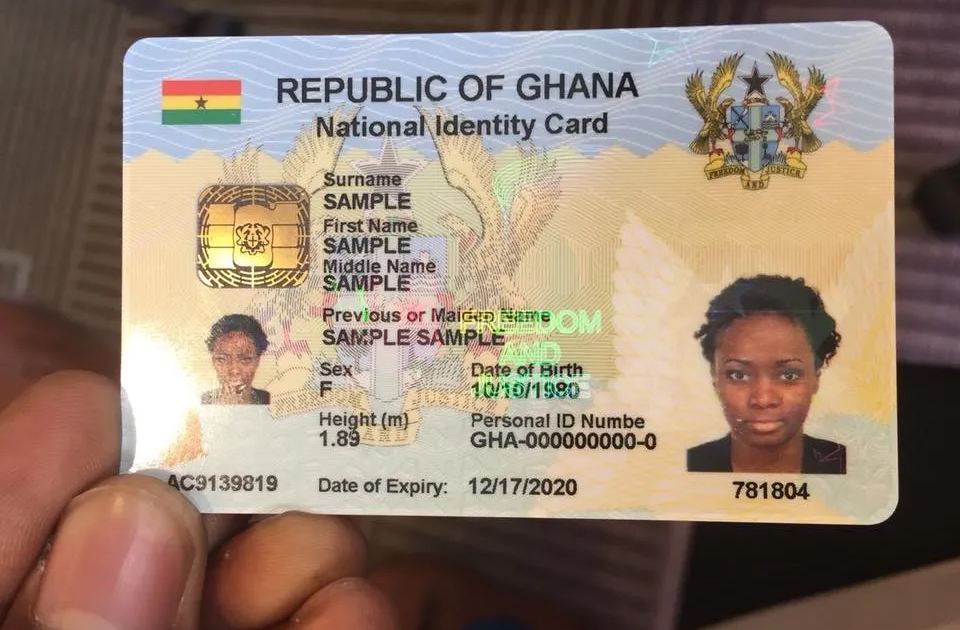
Speaking at a press conference in Accra on Monday, Mr Williams Ampomah Emmanuel Darlas, Head of the NIA's Corporate Affairs Directorate, explained that the existing Ghana Card remains the country's sole official national identity document and will continue to be accepted for all transactions requiring identity verification. Cards issued in 2018, for example, remain valid until 2028, in line with the standard 10-year validity period.
What has actually changed under L.I. 2523?
The core shift under the new regulation is that institutions and individuals can no longer rely on simply looking at your Ghana Card — visually inspecting it, photocopying it, or scanning it — as a sufficient means of confirming who you are. Instead, biometric verification is now mandatory.
This means your identity must be confirmed using the fingerprints, iris data, or facial features already stored on the embedded chip of your Ghana Card during your initial registration. No fresh biometric enrolment is needed.
Two main verification routes are available to institutions:
- Match-on-card verification — used by telecoms companies and some banks, this requires you to present your physical Ghana Card so your fingerprint can be matched against data stored on the chip. This is fully permitted under the new law.
- API-based verification — institutions connected to the NIA's verification platform can confirm a customer's identity using their Ghana Card number. However, following that digital check with a visual inspection or photocopy of the card would itself be a violation of the regulation.
The regulation also applies to private individuals under Regulations 9A and 9B. For instance, in land transactions, a buyer can no longer simply look at a seller's Ghana Card to confirm their identity — biometric confirmation is required.
Why it matters for Ghana
Identity fraud and impersonation have long been a concern in Ghana, particularly in sectors such as banking, real estate, and mobile money — where verifying who you are dealing with carries real financial and legal consequences. L.I. 2523 is designed to close loopholes that fraudsters have exploited by using forged or borrowed cards that pass a quick visual check.
By anchoring verification to biometric data — something that cannot easily be faked or transferred — the regulation raises the security bar for everyday transactions. It also aligns Ghana with broader international trends in digital identity management, strengthening the country's credentials as a hub for fintech and formal financial services.
For ordinary Ghanaians without access to sophisticated verification technology, the NIA has developed a mobile application that allows users to confirm a person's identity through a simple yes-or-no response, without revealing any personal information about the cardholder. The Authority said security measures are in place to protect data accessed through the app.
What you should do
The NIA has urged both institutions and individuals to contact the Authority directly whenever they are unsure how the regulation applies to a specific situation. Mr Darlas also confirmed that the NIA will continue public education efforts to ensure Ghanaians are not unnecessarily alarmed by the changes.
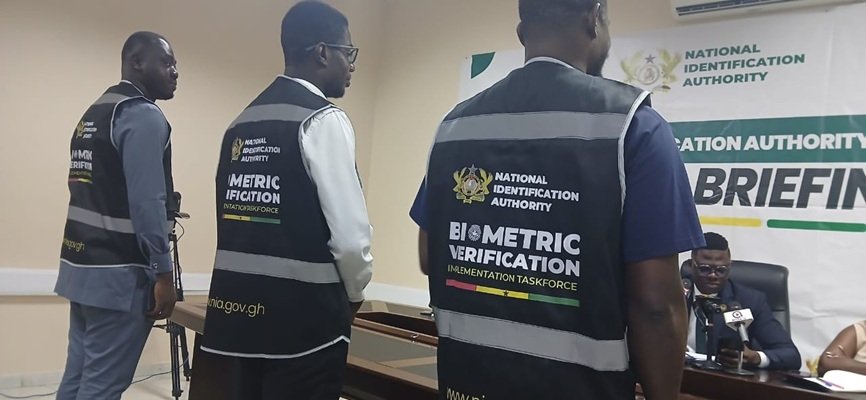
If you encounter an institution that is still demanding photocopies or relying on visual inspection of your Ghana Card rather than conducting proper biometric verification, you can report them through the Biometric Verification Implementation Task Force hotline: 030-2999-309.
Renewal arrangements for cards approaching the end of their validity period will be announced by the NIA in due course, with steps being considered to avoid the long queues that have frustrated Ghanaians at registration centres in the past.
Source: MyJoyOnline


Comments (0)
Be the first to comment.