New Supreme Court Justice Pledges Independence from Political Influence

Ghana's Supreme Court nominee Justice Edward Amoako Asante has given strong assurances to Parliament that judicial independence will remain sacrosanct under his tenure, emphasising that judges must never allow their appointing authorities to influence court decisions.
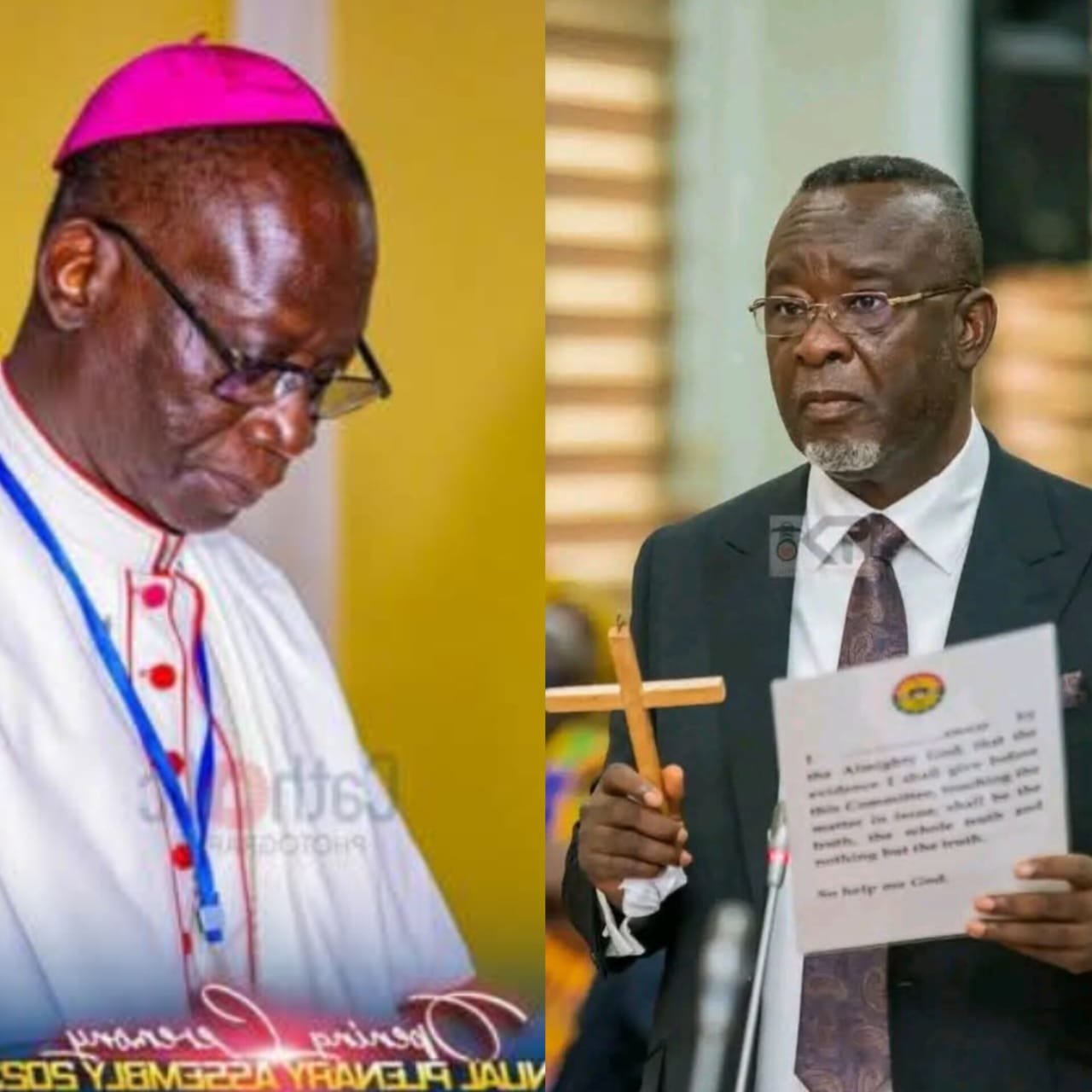
Appearing before the Appointments Committee on Thursday, 27 August, Justice Asante underlined a fundamental principle of the judiciary: that judges are bound by oath to apply the law fairly to the facts of each case, irrespective of which political figure or body appointed them. He stressed that this separation between the appointing authority and the bench is critical to maintaining public trust in Ghana's courts.
"As a judge when you're appointed, you swear an oath which you go by; that is a very important thing that you do to ensure fairness and equity to all manner of persons who appear before you," Justice Asante told the committee. He added emphatically: "Judges do not go mingling with the appointing authority just because they appointed you."
The oath and independence of mind
Justice Asante identified the judicial oath as the cornerstone of impartial decision-making. Beyond the formal oath, he highlighted independence of mind as equally vital—a personal quality that allows judges to resist external pressures and remain true to the law. He attributed his own judicial success to cultivating this independence throughout his career.
"Independence of mind is very important, and that is why I have got to where I am now. I have independence of mind to withstand all kinds of influences, if any, to do my job," he said.
The emphasis on these principles reflects the global best practice in judicial appointments: nominees must demonstrate not only legal competence but also an unwavering commitment to the separation of powers. By explicitly stating that judges should not maintain preferential relationships with their appointing authorities, Justice Asante was addressing a concern that occasionally surfaces in Ghana's public discourse—the perception that some judicial decisions may be influenced by political considerations.
Why it matters for Ghana
Ghana's 1992 Constitution establishes an independent judiciary as a cornerstone of the nation's democratic system. However, maintaining this independence requires constant vigilance and clear statements of principle from senior judges, particularly those ascending to the highest court.
Public confidence in the judiciary is essential for Ghana's democratic health. When citizens and businesses believe that court decisions are determined fairly and impartially, they are more likely to accept judgments and submit to the rule of law. Conversely, if the public perceives that judges favour the party in power or their appointers, it erodes trust in the entire legal system.
Justice Asante's commitment comes at a time when Ghana's Supreme Court faces high-profile cases spanning election disputes, constitutional matters, and issues of national importance. A judiciary perceived as independent strengthens Ghana's institutions and reinforces the country's standing as a beacon of democratic stability in West Africa.
The Appointments Committee's vetting process is designed precisely to examine a nominee's understanding of these principles and their personal commitment to upholding them. Justice Asante's clear articulation of judicial independence suggests he grasps the weight of the responsibility he is being asked to assume.
What comes next
Following his appearance before the Appointments Committee, Justice Asante's nomination will proceed to a vote in Parliament. If confirmed, he will join Ghana's seven-member Supreme Court, where his expressed commitment to independence will be tested in real cases affecting Ghanaians' rights and the nation's governance.
Source: MyJoyOnline


Comments (0)
Be the first to comment.