
New Economy, Old Arguments: Forson's Budget Lands in Parliament as Afenyo-Markin Sharpens His Pen
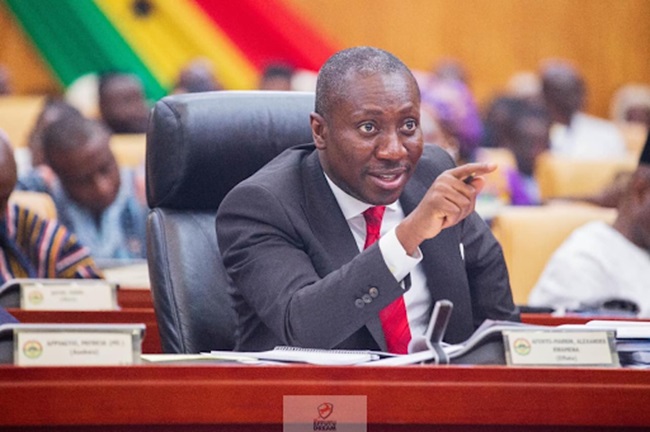

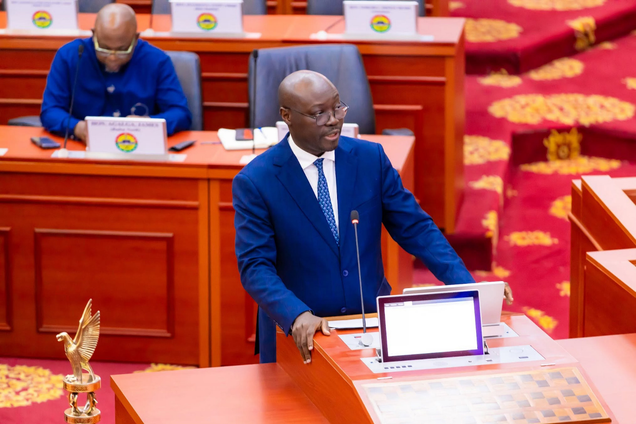
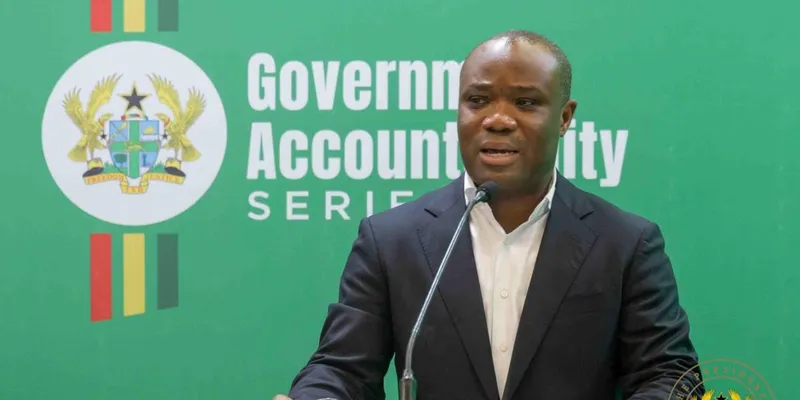
Ghana's Finance Minister Dr Cassiel Ato Forson has presented what his government is calling a "New Economy" budget to Parliament, anchored by a ten-billion-dollar investment package spread across four years. The plan promises industrialisation, agricultural transformation, energy development and job creation — an ambitious pitch for a country that has long struggled to turn attractive policy announcements into tangible improvements in everyday lives. But even before the budget statement was complete, the Minority in Parliament had moved from applause to interrogation.
A Budget Before It Even Began
The first flashpoint was not a cedi figure or a debt projection — it was a timetable. Minority Leader Alexander Afenyo-Markin raised objections to the budget being presented at six o'clock in the evening, arguing that Ghanaians would struggle to follow proceedings at that hour. The irony was not lost on observers: a government championing a 24-Hour Economy was being asked by Parliament to reschedule its headline policy because democracy, apparently, keeps office hours.
The optics were uncomfortable. If the vision is for factories to run through the night, markets to trade until dawn and transport operators to keep the wheels turning while the nation sleeps, then Parliament's reluctance to discuss that same vision after sunset raised more than a few eyebrows. Critics were quick to note that Ghanaians routinely organise all-night church services, funeral wake-keepings and community events without anyone demanding a rescheduling. Yet the people's representatives needed special convincing to sit beyond six in the evening for a discussion on the national economy.
In the end, the budget was presented. The New Economy arrived with considerable fanfare — ten billion dollars in projected investment, commitments to productivity and transformation, and the kind of confident language that tends to fill budget statements in every political era.
Is the "New Economy" Simply the 24-Hour Economy in a Different Suit?
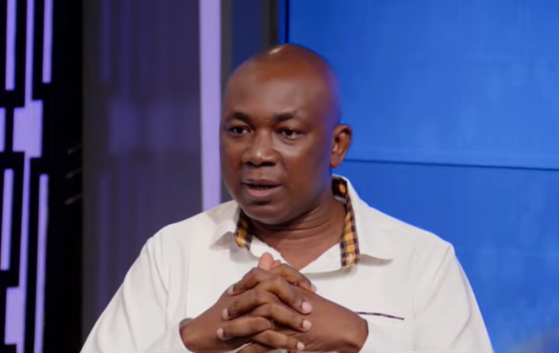
The Minority's deeper objection was about substance, not scheduling. Afenyo-Markin and his colleagues questioned the financing arrangements behind the plan and raised the pointed suggestion that the "New Economy" branding was little more than the previous administration's 24-Hour Economy policy returning with a fresh coat of paint. Former Finance Minister Mohammed Amin Adam added his voice to the scepticism, suggesting that several of the initiatives within the budget were repackaged rather than genuinely new.
It is a familiar tension in Ghanaian politics. Each incoming government tends to rebrand its predecessor's initiatives while insisting on the originality of its own vision. The result is a cycle in which policy names change more frequently than the underlying structures meant to deliver them. Whether the New Economy represents a genuine departure or an elegant repackaging is a debate that will likely outlast this parliamentary session.
What is clear is that the budget sets ambitious targets. The Finance Minister spoke of investment in agriculture, energy and technology — sectors that have featured in Ghana's development plans for decades. The challenge, as always, will be execution.
Why It Matters for Ghana
Ghana's economy has endured a bruising few years. A debt restructuring process, a currency that has faced sustained pressure and a cost-of-living crisis that has squeezed households across income brackets have left many citizens deeply sceptical of bold economic promises. At markets like Kejetia in Kumasi, the gap between budget-day language and daily purchasing power is felt acutely.
The stakes of getting this right are therefore significant. A credible, well-funded economic plan could help restore investor confidence, support Ghana's ongoing engagement with the International Monetary Fund and begin rebuilding the trust of ordinary citizens who have watched economic miracle after economic miracle fail to materialise in their neighbourhoods.
Equally, the parliamentary scrutiny — however theatrical it may sometimes appear — is a necessary part of the process. Healthy opposition questioning of financing sources, delivery mechanisms and policy originality is precisely what budget debates are supposed to produce. The concern is when the debate remains at the level of branding and scheduling rather than drilling into the practical detail of how ten billion dollars will actually be deployed.
- Jobs remain the test: With youth unemployment persistently high, Ghanaians will judge the New Economy by whether it creates meaningful employment.
- Financing questions linger: The Minority has challenged the government to clarify where the investment capital will come from and on what terms.
- Execution history matters: Ghana has launched numerous economic transformation programmes over the decades; delivery, not announcement, will determine this one's legacy.
For now, the New Economy has been born. Whether it grows up to find Ghanaians jobs, lower the cost of living and diversify the country's economic base — or quietly fades into the long catalogue of well-named but underdelivered programmes — remains entirely to be seen.
Source: MyJoyOnline


Comments (0)
Be the first to comment.