
Ghana's 'New Economy' Budget: What Youth Employment and the 2027 Fiscal Plan Mean for Ordinary Ghanaians
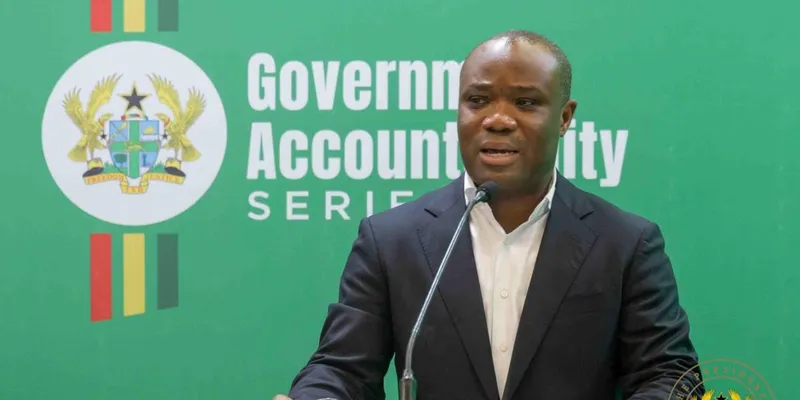

Ghana's government is preparing to lay before Parliament its 2027 Budget Statement, branded under the theme 'The New Economy', with the presentation scheduled for 6 pm on Thursday, November 12. Ahead of the reading, government spokesperson Kwakye Ofosu has sought to frame the budget as a transformative departure from conventional fiscal planning, stressing that it is designed to generate meaningful employment opportunities for the country's large and growing youth population.
A Budget Billed as Different
Kwakye Ofosu has been emphatic that the 'New Economy' budget should not be dismissed as routine government expenditure planning. According to him, the document represents a deliberate policy shift aimed at restructuring how Ghana's economy works — moving away from patterns that have historically left young people on the margins of economic activity.
Ghana has one of the youngest populations in West Africa, with a significant proportion of its citizens under the age of 35. Youth unemployment and underemployment have remained persistent challenges for successive governments, and any budget that meaningfully tackles this issue would be welcomed by millions of Ghanaians who feel locked out of economic opportunity.
The branding of the budget as 'The New Economy' signals an intention to present a vision that goes beyond managing existing structures. Whether the specific policy measures within the document live up to that billing will become clearer once the full statement is delivered and scrutinised by parliamentarians, economists and civil society groups.
Why It Matters for Ghana
Budget presentations in Ghana carry enormous weight because they set the tone for government spending, taxation, borrowing and social investment for the year ahead. For ordinary Ghanaians still navigating the aftereffects of the economic difficulties experienced in recent years — including high inflation, currency depreciation and the pressures of an IMF-supported recovery programme — the 2027 budget arrives at a particularly sensitive moment.
Youth unemployment is not merely a social concern; it has economic and security implications. A generation of young people without stable income is a generation that cannot drive domestic consumption, build savings, or contribute fully to tax revenues. Any serious strategy to create jobs — whether through targeted industrial policy, support for small businesses, agricultural investment, or digital economy initiatives — would have far-reaching consequences for Ghana's long-term growth prospects.
Civil society organisations and youth advocacy groups have consistently called on government to back job-creation rhetoric with concrete, funded programmes. The true test of the 'New Economy' label will be whether the budget allocates sufficient resources to sectors with the highest potential for absorbing Ghana's youth into productive employment.
What to Watch When Parliament Sits
When the Finance Minister rises to present the statement, analysts and citizens alike will be paying close attention to several key areas:
- Youth employment schemes: Are there new, funded initiatives specifically targeting young job seekers, apprentices or entrepreneurs?
- Revenue and deficit targets: How does the government plan to finance its programmes without derailing the ongoing fiscal consolidation under the IMF arrangement?
- Investments in key sectors: Agriculture, technology, manufacturing and the creative economy are all areas with strong youth employment potential.
- Social protection: Will safety nets be expanded or maintained for the most vulnerable Ghanaians?
The opposition and independent economists will inevitably scrutinise the figures closely, and debates in Parliament are expected to be vigorous. For now, the anticipation surrounding the 'New Economy' budget reflects how much Ghanaians are hoping for a credible plan that translates political ambition into tangible improvements in their daily lives.
Source: 3News




Comments (0)
Be the first to comment.