
Ghana's 24-Hour Economy Dream Faces Funding Crunch, MP Warns Ahead of 2027 Budget
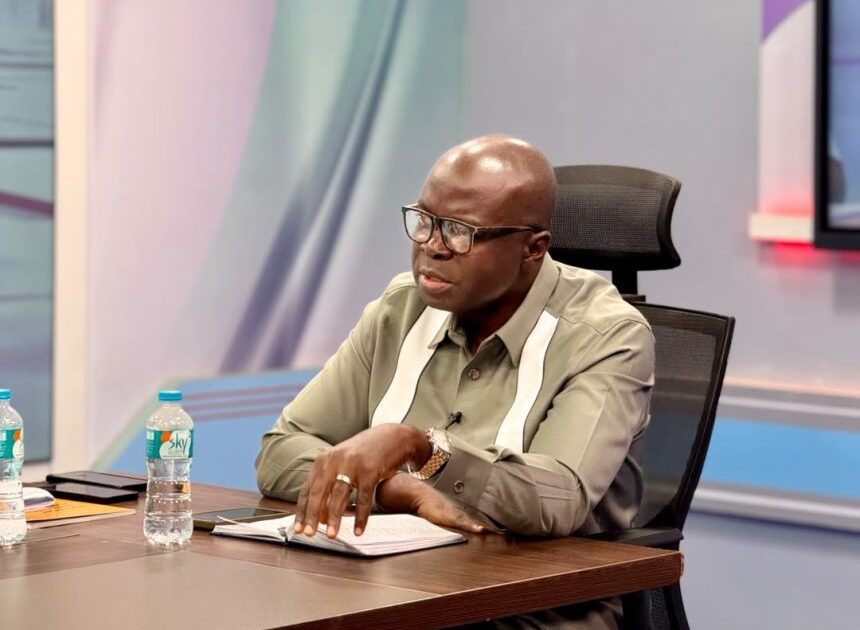

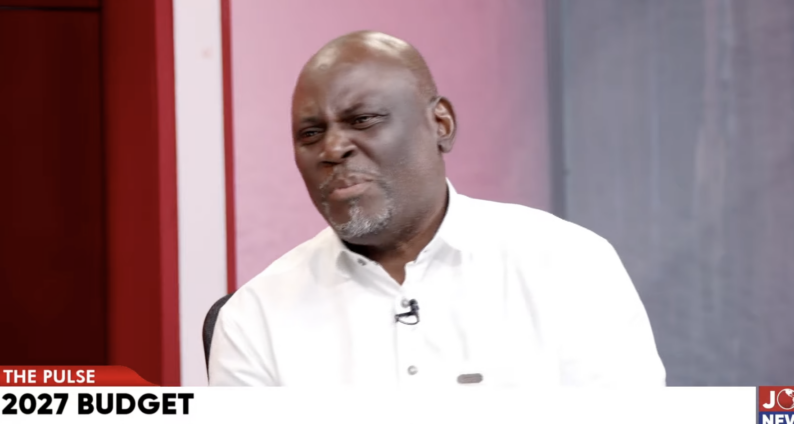
Ghana's ambitious 24-hour economy programme faces a potential funding crisis if the government fails to meet its revenue targets in 2027, the Member of Parliament for Manso Nkwanta, Tweneboa Kodua Fokuo, has warned. Speaking ahead of the Finance Minister's presentation of the 2027 Budget, the MP raised pointed questions about the sustainability of one of the Mahama administration's most prominent economic initiatives — and whether adequate financing is actually in place to deliver it.
A Programme Built on Future Money
At the heart of the MP's concern is the nature of the financing model underpinning the 24-hour economy. Mr Fokuo stressed that the government does not currently hold the funds needed to run the programme; instead, the financing depends on revenue yet to be collected.
"It's not as if we have the money at hand now. No, we don't have the money now," he said during an appearance on PM Express on Joy News.
The plan, as he explained it, appears to hinge on adjusting the primary surplus target downward — from 1.5 per cent to 0.5 per cent — to free up budgetary space. While such an adjustment could technically create room for new spending, Mr Fokuo cautioned that this space only materialises if revenue mobilisation performs as projected. Any shortfall would leave the programme without a clear funding source.
Compounding matters is the projected slowdown in economic growth. Ghana's economy is expected to grow at 6.2 per cent in 2026, but that figure is forecast to dip to 4.9 per cent in 2027. A slower-growing economy typically generates less tax revenue, putting additional pressure on the government's ability to honour its spending commitments.
"If you look at revenue that has been generated this year, even when the economy is growing at 6.2 per cent, versus 2027 that we are projecting to slow down to 4.9, what it means is that we are likely to struggle in terms of revenue for 2027," Mr Fokuo said.
Private Sector Stayed Away — and That's a Problem
Beyond the revenue question, the MP pointed to the failure of the government's initial strategy of relying on private-sector participation to drive the 24-hour economy. When the initiative was first announced, the expectation was that businesses would embrace the concept and invest in extended operations. That did not happen, and Mr Fokuo attributed the lukewarm response to a lack of risk-management frameworks that would have made participation attractive and viable for investors.
"When the private sector did not jump on board as was expected, because it was just a slogan, it was just a pronouncement, but nothing was done to really manage the risks thereof, the private sector had no interest," he said.
With private capital largely absent, the government has apparently pivoted to a model that places a heavier burden on public funds — which, in the MP's assessment, amounts to a repackaging of the original plan rather than a genuine evolution of it.
Why It Matters for Ghana
The 24-hour economy concept — extending business activity, public services and industrial production beyond the traditional daytime hours — was presented as a transformative economic policy capable of creating jobs, boosting productivity and increasing Ghana's competitiveness. For many Ghanaians, particularly the urban youth struggling with unemployment, it carried significant promise.
But Mr Fokuo's warning reflects a broader anxiety in Ghanaian economic governance: the gap between policy announcement and policy delivery. Ghana is currently navigating a post-IMF programme fiscal environment where every expenditure commitment must be carefully matched with credible revenue. Promising a flagship initiative without a robust, risk-managed financing plan risks eroding public trust and deepening fiscal pressures.
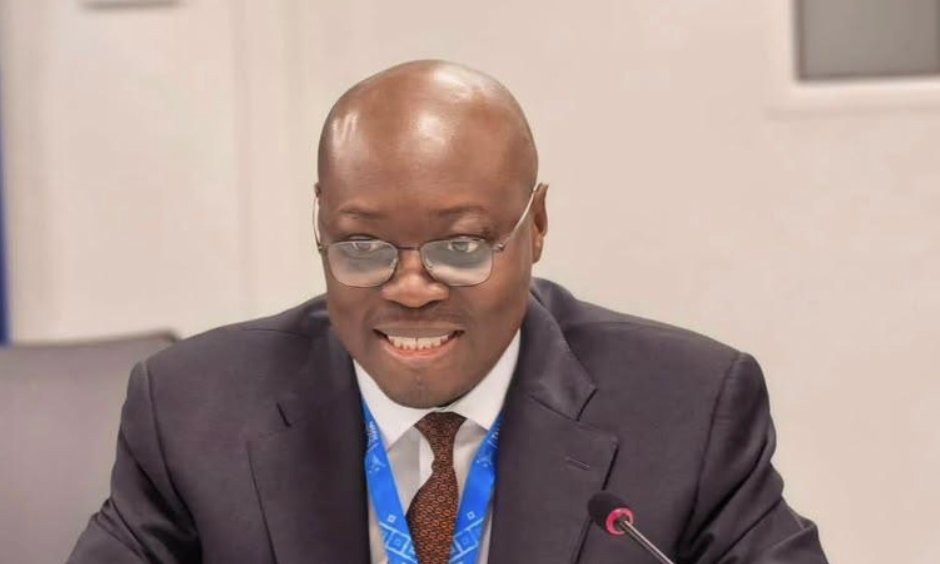
The 2027 Budget, when presented by Finance Minister Dr Cassiel Ato Forson, will be a crucial test. Analysts and citizens alike will be watching for concrete details on revenue projections, private investment incentive structures and a clear articulation of how the 24-hour economy will be funded without endangering Ghana's hard-won fiscal stability.
- Ghana's economy projected to slow from 6.2% growth in 2026 to 4.9% in 2027.
- Financing relies on adjusting the primary surplus target from 1.5% to 0.5%.
- Private sector failed to invest due to absence of a risk-management framework.
Source: MyJoyOnline

Comments (0)
Be the first to comment.