
NDC Legal Team Defends Ghana's Offensive Conduct Law Amid Free Speech Debate
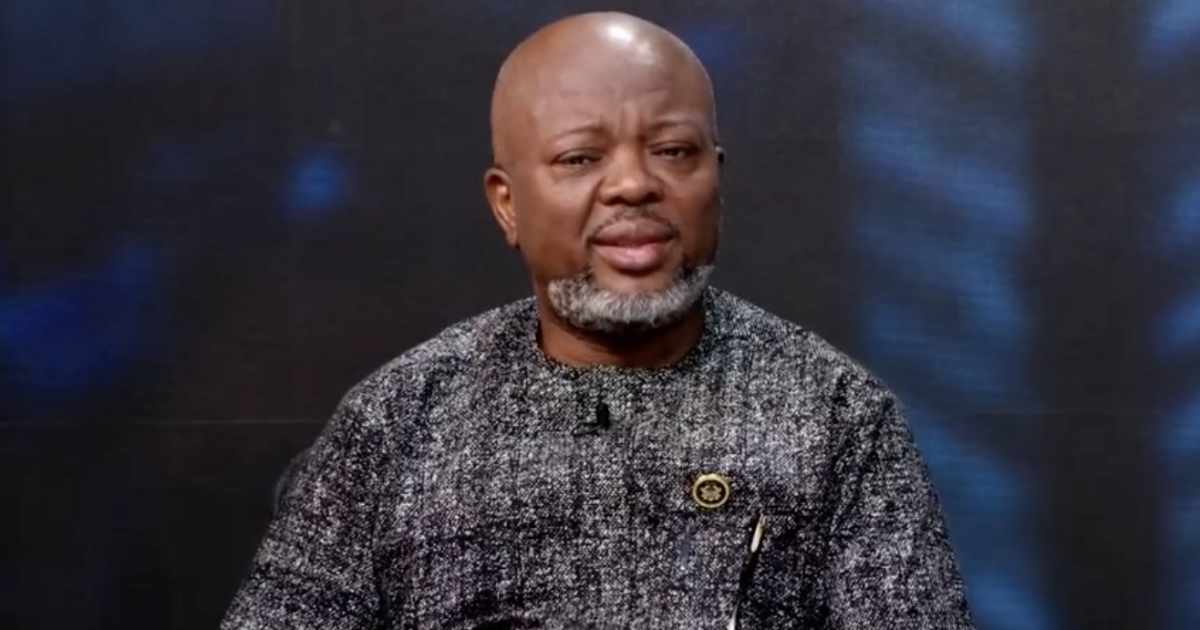

Ghana's contentious criminal offensive conduct law faces renewed scrutiny following the sentencing of TikToker Camilla Alhassan, but a senior member of the National Democratic Congress's legal team has pushed back against growing demands to scrap the legislation, arguing it remains a necessary deterrent in the social media age.
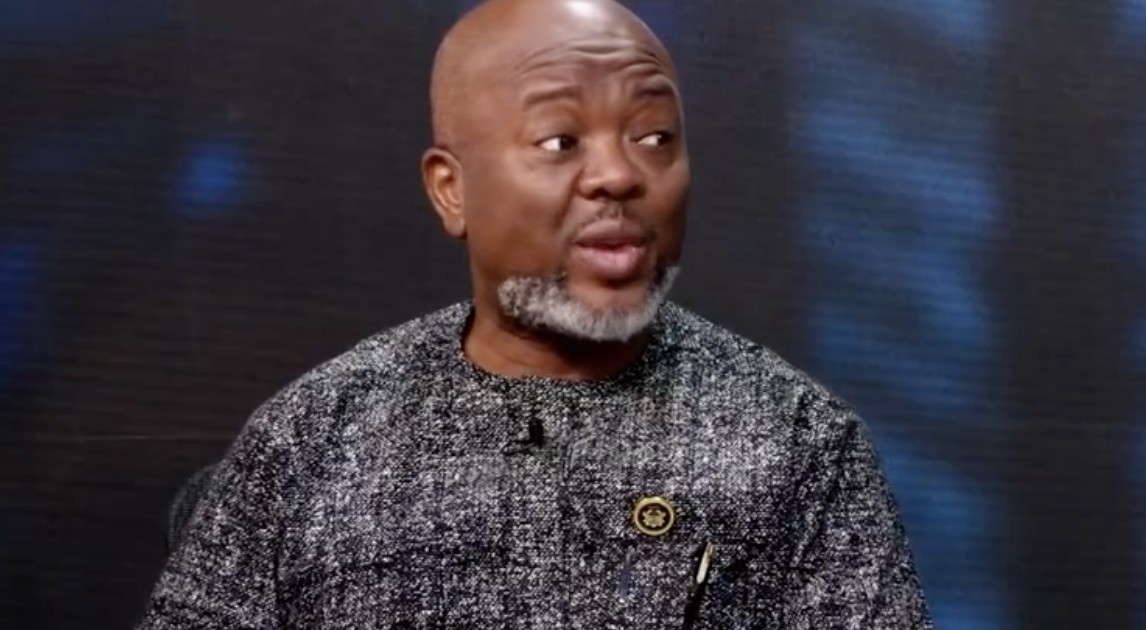
Victor Kwadjoga Adawudu made the case during an appearance on JoyNews's PM Express, defending the law despite widespread criticism that it is being weaponised to suppress free expression. Alhassan, 43, received a one-year prison sentence with hard labour after pleading guilty to offensive conduct conducive to breaches of the peace, following remarks she made about President John Mahama in a TikTok video.
The Political Fallout
The case has ignited a fierce partisan dispute. The opposition New Patriotic Party has denounced the sentence as an assault on free speech and committed to supporting Alhassan's appeal. The NPP has also called on civil society organisations, the Ghana Bar Association, the National Peace Council, media outlets and the diplomatic community to oppose what it characterises as the criminalisation of legitimate expression.
Mr Adawudu acknowledged that ultimately the question of whether to repeal the law rests with the Ghanaian public, but he contended that lawmakers could not have foreseen the digital landscape when the legislation was originally drafted. He argued that social media has created unprecedented opportunities for offensive speech, making the deterrent effect of the law more relevant than ever.
Arguments for Retaining the Law
According to Adawudu, the offensive conduct provisions serve an important function by warning citizens that there are legal consequences for making inflammatory statements online. He rejected characterisations that the law criminalises free speech, instead suggesting that much material posted on social media exceeds the boundaries of legitimate expression.
However, he acknowledged a serious problem: the law has become a vehicle for political mobilisation. Both the NDC and NPP, he noted, have used prosecutions under the statute to energise their respective party bases. When supporters face charges, party machinery mobilises in response, generating publicity and reinforcing political loyalty.
Adawudu warned against this politicisation, calling for the law to be applied with restraint rather than weaponised between political rivals. He also defended the current administration against accusations of systematic abuse, suggesting instead that overzealous police officers and law enforcement personnel, rather than political direction from above, account for recent prosecutions.
Why It Matters for Ghana
Ghana's ongoing struggle to balance free speech protections with public order concerns reflects broader tensions affecting democracies across the region. The offensive conduct law, like similar provisions in other African nations, occupies contested territory between legitimate state interest in preventing harm and individual liberty.
For ordinary Ghanaians, the implications are significant. If the law remains in effect with its current interpretation, citizens must weigh the risks of online political commentary. If it is repealed, Ghana would join a growing number of countries recognising that criminal provisions for offensive speech are increasingly difficult to justify in the digital era.
Drawing on his legal experience, Adawudu noted that during the previous NPP administration he defended clients including Bobbie and Oheneba under the same provisions. Significantly, he observed that many of these prosecutions eventually collapsed after bail was granted, suggesting that the law's practical impact may differ from its theoretical reach.
The case illustrates why this debate matters beyond legal circles. Ghana's commitment to democratic governance and human rights increasingly depends on how it navigates the tension between protecting public peace and safeguarding the right to dissent—a challenge that will only intensify as digital communication becomes more central to public discourse.
Source: MyJoyOnline



Comments (0)
Be the first to comment.