
Most speech prosecutions in Ghana 'fizzle out' after bail, says NDC lawyer
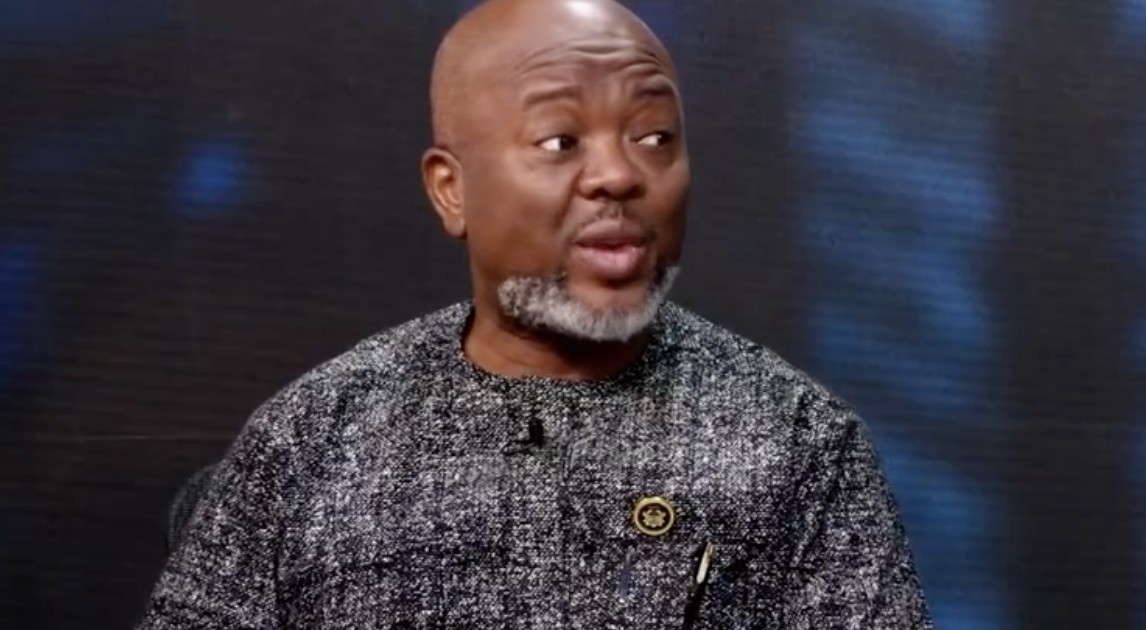

A member of the National Democratic Congress legal team has challenged the effectiveness of Ghana's speech-related prosecutions, arguing that most cases collapse after suspects are released on bail rather than resulting in meaningful convictions.
Victor Kwadjoga Adawudu, speaking on JoyNews' PM Express this week, drew on his courtroom experience to suggest that charges brought under Sections 207 and 208 of the Criminal Code—the primary legal tool used to prosecute offensive speech cases—frequently fail to advance beyond preliminary stages.
"For what I can see from my practice is that most of the charges that they use this section 207, 208 at the end of the bill, when bail is granted, it fizzles out," Mr Adawudu said. His comments arrive amid heightened public concern following the recent conviction of TikToker Camilla Alhassan, who received a one-year jail sentence with hard labour after pleading guilty to offensive conduct conducive to breaches of the peace. The 43-year-old was prosecuted after police intercepted a video in which she allegedly made derogatory remarks about President John Mahama.
The free speech debate intensifies
The Alhassan case has reignited tensions between Ghana's two major political camps over the balance between public order and individual liberty. The opposition New Patriotic Party has condemned the sentence as an assault on free speech and committed to backing her appeal. The party has also called on civil society groups, the Ghana Bar Association, the National Peace Council, the media and the international community to resist what it views as the criminalisation of political expression.
In response to questions about repealing the contentious Criminal Code provisions, Mr Adawudu acknowledged that such a decision should reflect popular sentiment but defended the law's continued existence. He argued that the provisions serve as a deterrent against inflammatory speech on social media platforms.
"I think that whilst this law should be there to serve as a deterrent to others, people who say unprintable things, it is for the people to know that when I do anything which is misguided, unguided, or say unprintable words, there is a law that can catch up," he explained.
Why this matters for Ghana
This discussion touches on fundamental questions about Ghana's democratic health and the rule of law. Since the return to multi-party democracy in 1992, Ghana has generally enjoyed a reputation for strong free expression protections compared to regional peers. However, the application of Criminal Code Sections 207 and 208 has periodically generated concern among human rights organisations and political opponents, who argue the provisions are too vague and susceptible to misuse.
Mr Adawudu's observation that such prosecutions rarely produce convictions raises an important question: if the cases routinely collapse, what is their practical effect on public discourse? Critics contend that mere arrest and prosecution can have a chilling effect on political speech, even if convictions are rare. Meanwhile, the NDC lawyer's suggestion that political activists intentionally provoke prosecution to claim victim status reveals how deeply polarised Ghana's information environment has become.
The lawyer also pushed back against allegations of systematic government weaponisation of the law, attributing enforcement primarily to what he termed "overzealous policemen" rather than deliberate state policy. He recalled defending numerous individuals prosecuted under the same provisions during the previous NPP administration, suggesting the issue spans both political administrations. His recommendation is measured use of the law rather than its wholesale repeal.
As Ghana navigates the increasingly volatile terrain of social media politics, this debate will likely continue shaping discussions about how the nation protects both free expression and public order.
Source: MyJoyOnline


Comments (0)
Be the first to comment.