
Police Overreach, Not Policy, Driving Offensive Conduct Arrests – NDC Legal Counsel
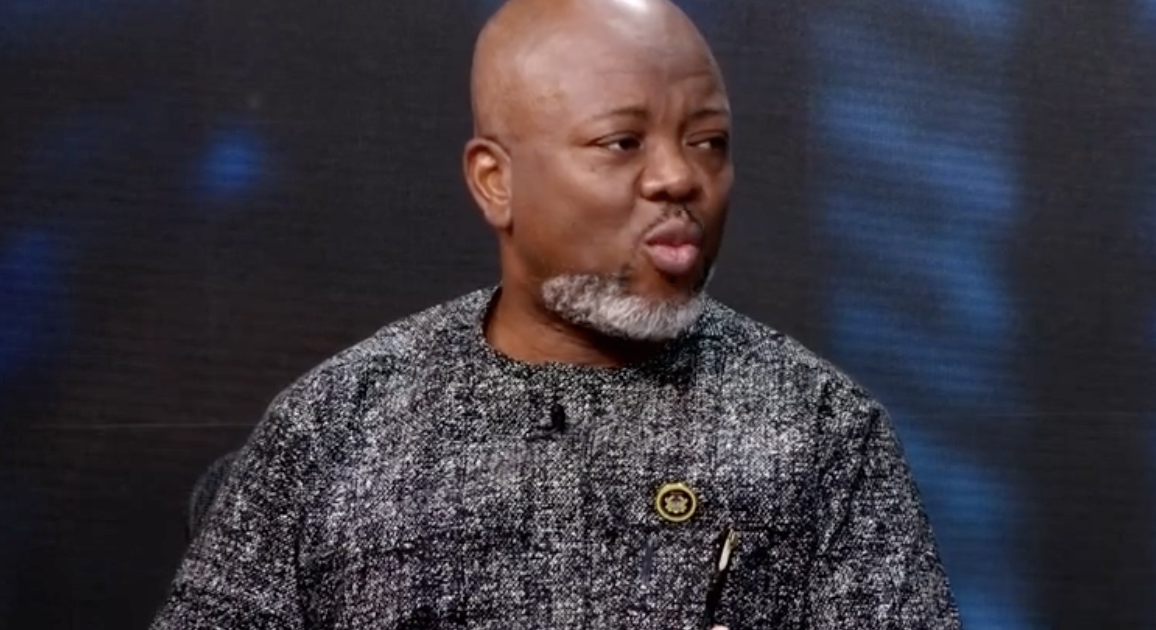

Ghana's offensive conduct laws are being misused by police acting without senior leadership oversight, according to Victor Kwadjoga Adawudu, a senior member of the National Democratic Congress's legal team. Speaking on Joy News this week, Adawudu attributed much of the recent spike in arrests under these provisions to individual officers overstepping their authority rather than deliberate state policy.
The comments emerge as Ghana grapples with the implications of TikToker Camilla Alhassan's one-year imprisonment for making derogatory remarks about President John Mahama. The sentence has reignited a long-simmering debate about whether Ghana's offensive conduct laws—principally sections 207 and 208 of the Criminal Code—constitute a tool for suppressing legitimate free speech or a necessary safeguard against social media excess.
The Law as Political Weapon
Adawudu acknowledged a troubling pattern: both major parties exploit offensive conduct prosecutions for political advantage when opposition supporters face charges. However, he rejected the notion that the law itself is fundamentally flawed, instead pointing to how it is enforced.
"It is some overzealous policemen and law enforcers [who] feel that this is what we do," Adawudu explained, noting that senior police leadership is often unaware arrests have been made until cases reach court. This decentralised enforcement problem means individual officers, rather than government directives, are driving the prosecutions. Many cases subsequently collapse once bail is granted, suggesting weak foundations and prosecutorial overreach.
The lawyer drew on his own experience defending similar cases under the previous NPP administration, citing clients including Bobbie and Oheneba, to demonstrate that the problem transcends partisan lines.
Balancing Expression and Excess
Adawudu resisted calls for wholesale repeal of the offensive conduct provisions, arguing they serve a legitimate deterrent function—particularly in Ghana's unfiltered social media landscape where inflammatory posts designed to provoke often substitute for substantive political dialogue. He distinguished between protected speech and what he termed "unprintable" content: deliberate insults and derogatory remarks posted primarily for notoriety.
"If that is the sentiment of the populace, that they want this to be repealed," he said, the decision rests with Ghanaians themselves. However, he contended some guardrails remain necessary to discourage the worst excesses of online behaviour.
Why It Matters for Ghana
This tension sits at the heart of Ghana's democratic challenge. The country ranks highly on continental press freedom indices, yet criminal defamation and offensive conduct laws persist. They create space for abuse while remaining theoretically justifiable as tools against genuine threats and incitement.
Adawudu's analysis—blaming rogue police rather than malicious policy—offers a diagnosis but raises uncomfortable questions. If officers regularly exceed their authority without accountability, does the problem lie with the law itself or its implementation? And can Ghana realistically police police conduct while these vaguely worded statutes remain on the books?
The Alhassan case has galvanised the opposition and civil society, with calls for intervention from the Ghana Bar Association, National Peace Council and international observers. Whether this external pressure translates into legislative reform—or merely more careful enforcement—will test whether Ghana's institutions can balance free expression with social cohesion without sacrificing either.
Source: MyJoyOnline


Comments (0)
Be the first to comment.