Senegal's arrest of TikTok influencers raises alarm bells across West Africa over free speech

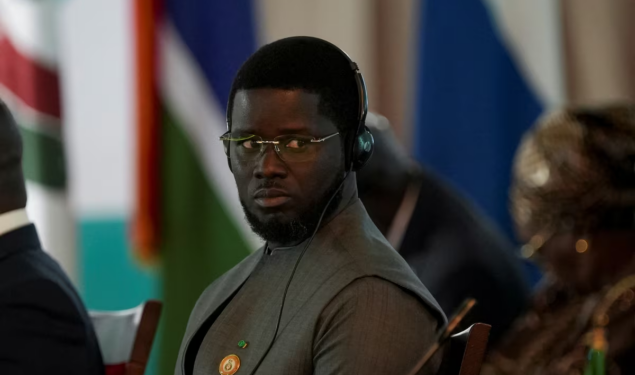
A Senegalese court has convicted and imprisoned three TikTok influencers for insulting President Bassirou Diomaye Faye, a ruling that has triggered concerns about press freedom and digital expression across West Africa, including in Ghana where similar cases have tested constitutional protections.
The sentencing represents a significant escalation in how African governments are responding to online criticism, particularly on platforms where youth voices dominate. For Ghanaians following regional developments, the Senegal case underscores ongoing tensions between state authority and individual liberty in the digital age—tensions that directly mirror debates playing out in Ghana's own courts and parliament.
The incident and legal fallout
The three influencers were found guilty of insulting the head of state through content shared on TikTok, a platform with millions of users across West Africa. Senegal's approach marks an increasingly aggressive stance toward online criticism of government officials, despite international commitments to free expression.
The convictions have drawn criticism from digital rights advocates and international observers who argue that criminalising insulting language—however crude—sets a dangerous precedent for silencing legitimate political discourse. The case raises questions about where courts should draw the line between unprotected personal abuse and protected political speech.
What this means for Ghana and the region
Ghana has faced its own battles over online expression. The country's constitution guarantees freedom of speech, yet cases involving criminal libel and sedition charges have periodically tested these protections. Social media creators, bloggers and journalists in Ghana often operate in legal grey areas, uncertain whether criticism of officials might trigger prosecution.
The Senegal ruling matters because it signals how West African governments may increasingly use criminal justice systems to police online speech. Ghana's courts, media environment and civil society organisations have generally been more protective of press freedom than some neighbouring states, but the regional trend is worth monitoring.
Several factors make this case particularly significant for Ghanaian audiences. First, TikTok and similar platforms are how millions of young West Africans engage politically—restricting these spaces affects democratic participation. Second, Senegal is often seen as a regional democratic model; if it tightens restrictions on speech, other governments may follow. Third, Ghana's own digital rights framework remains unsettled, with no comprehensive data protection law and ongoing debates about regulating online content.
The broader context
Across Africa, governments have used various laws—from colonial-era sedition statutes to modern cybercrime legislation—to prosecute online critics. Some frame such prosecutions as protecting national dignity or preventing misinformation; critics argue they simply silence dissent.
International bodies including the African Commission on Human and Peoples' Rights have warned against criminalising insult to public officials, noting that such laws disproportionately affect marginalised voices and journalists. The UN has similarly urged African states to decriminalise speech offences.
For Ghana, the lesson is clear: digital freedom cannot be taken for granted. While the country has stronger protections than some peers, vigilance by courts, civil society and citizens remains essential. The Senegal case should prompt Ghanaians to reflect on how their own laws and judicial decisions treat online political expression.
Source: 3News
Comments (0)
Be the first to comment.