
Accra court jails TikToker for offensive posts against President Mahama

An Accra Circuit Court has handed down a one-year custodial sentence with hard labour to TikToker Camilla Alhassan after she pleaded guilty to offensive conduct likely to breach the peace. The judgment underscores growing judicial scrutiny of social media speech in Ghana and signals courts' willingness to prosecute online content deemed threatening to public order.
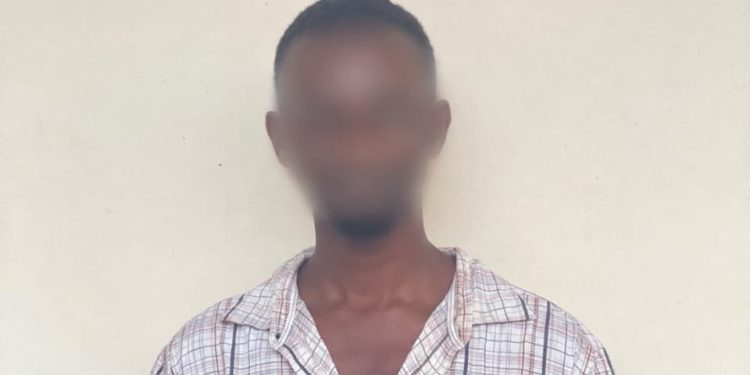
Alhassan, 43, was convicted after Ghana Police Service intercepted a TikTok video in which she made derogatory remarks about President John Mahama and First Lady Lordina Mahama. According to court proceedings, the video contained offensive statements calling for violence against the President and making unsubstantiated allegations about his personal life. Prosecutors argued the content was calculated to incite breach of the peace and posed a threat to national stability.
The arrest followed a police manhunt that involved technical support from the National Signal Bureau, which assisted in tracking Alhassan's location. She was apprehended on July 9, 2026, and subsequently remanded in custody pending trial. The court deferred sentencing initially before delivering its judgment on July 16.
The sentencing and deterrence rationale
Justice at the Accra Circuit Court emphasised that the one-year sentence with hard labour was intended as a deterrent to others who might consider using social media platforms to circulate offensive content against state officials or incite public disorder. The explicit deterrent purpose reflects concerns among Ghana's judiciary about the potential for viral social media content to destabilise the political environment and public peace.
Alhassan's guilty plea likely influenced the sentencing, suggesting she acknowledged the gravity of her conduct. The swift legal process—from arrest to conviction—demonstrates the court's priority in addressing speech that crosses from criticism into incitement or abuse.
Why it matters for Ghana
This case sits at the intersection of free speech rights and public order in Ghana's digital age. While Ghanaians enjoy constitutional protections for expression, courts have consistently held that speech inciting violence or breaching peace remains prosecutable under law. The conviction raises important questions about where authorities draw the line between legitimate political criticism and offensive conduct.
Social media has become a major platform for political discourse in Ghana, particularly among younger demographics. Alhassan's prosecution signals that neither anonymity nor the informal nature of TikTok content shields users from criminal liability if their posts meet the threshold of offensive conduct conducive to breach of peace.
The involvement of the National Signal Bureau in tracking the TikToker also indicates that Ghana's security and law enforcement agencies are increasingly equipped and willing to use technical surveillance to identify creators of problematic online content. This development has implications for privacy and digital rights discussions in the country.
Going forward, the case may influence how Ghanaians approach political commentary on social media, encouraging greater caution around statements perceived as personally abusive toward state officials, even if intended as political expression.
Source: MyJoyOnline


Comments (0)
Be the first to comment.