Senegal's crackdown on TikTok creators raises fresh concerns over press freedom in West Africa
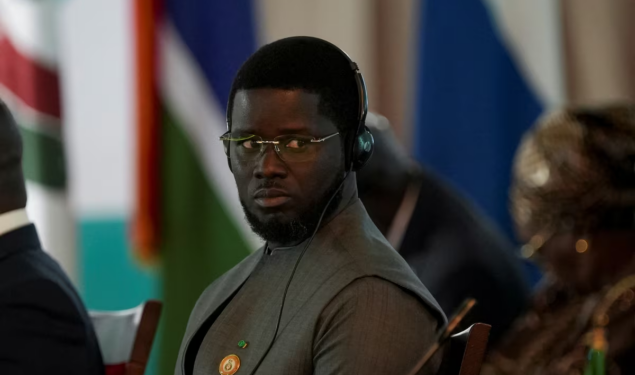
A Senegalese court has sentenced three TikTok content creators to prison terms for allegedly insulting President Bassirou Diomaye Faye, drawing sharp criticism from free speech advocates who view the ruling as emblematic of shrinking democratic space in West Africa.
The three men—Mandoumbe Diop (known as Lamignou Darou), Magueye Diaw (Oustaz Thiep), and Moustapha Ndiaye (Ndiaye Touba)—work for Feenal Digital, an online communications outlet that critics say produces content sympathetic to ousted Prime Minister Ousmane Sonko and his PASTEF party. Diop received the harshest sentence of three months in prison without suspension, whilst Diaw and Ndiaye were each handed two-month terms. Both Diaw and Ndiaye were additionally fined 500,000 CFA francs (approximately $800 USD).
Diop, the most prominent of the three with over 500,000 TikTok followers, has been a significant digital voice in Senegal's political landscape. His videos regularly accumulate tens of thousands of views, giving him considerable reach among younger audiences increasingly reliant on social media for news and commentary.
The political backdrop
The convictions arrive during a turbulent period in Senegalese politics. President Faye and Prime Minister Sonko, once political allies, recently fractured, with Faye launching his own party last month. Feenal Digital's content, which reportedly favours Sonko's faction, places the influencers at the intersection of this power struggle. Their lawyer, Abdy Nar Ndiaye, has dismissed the charges as baseless, characterising the creators' TikTok posts as comedic in nature and arguing they do not warrant criminal prosecution.
Why it matters for Ghana
This case carries significant implications for Ghana and the broader West African region. As neighbouring countries, Senegal and Ghana share comparable democratic institutions and constitutional frameworks that ostensibly protect freedom of expression. Yet Senegal's action suggests that even established democracies in the region face mounting pressure to restrict political speech—particularly digital speech—when it challenges those in power.
For Ghana, where social media has become increasingly central to political discourse and where government critics frequently face legal harassment, Senegal's precedent is cautionary. The conviction of ordinary citizens for online commentary, regardless of its intent or tone, normalises state intervention in digital spaces. This could embolden similar crackdowns across ECOWAS nations, setting a troubling standard for how governments treat digital activism and online dissent.
The case also highlights how vague defamation and insult laws—common across West Africa—can be weaponised against ordinary citizens and content creators. For Ghanaian journalists, bloggers, and social media influencers, particularly those engaging in political commentary, the Senegal ruling underscores the vulnerability of digital free speech to state overreach, even in countries with strong constitutional protections on paper.
Regional human rights organisations and international bodies have increasingly expressed concern about democratic backsliding in West Africa. Cases like this one contribute to that narrative, suggesting that formal democratic structures do not necessarily translate to robust protection of fundamental freedoms in practice.
Source: Today GH


Comments (0)
Be the first to comment.