Senegal's AFCON Title Fight Reaches Critical Stage as CAS Hears Appeal
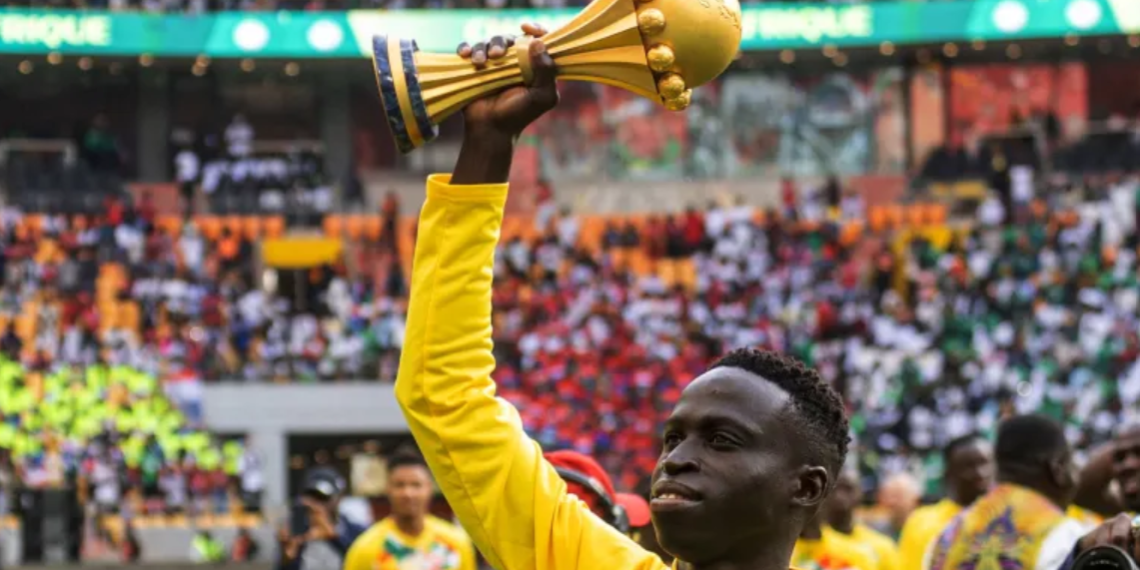
The dispute over the 2024 Africa Cup of Nations championship will reach a pivotal moment on Thursday when the Court of Arbitration for Sport (CAS) hears Senegal's appeal against the Confederation of African Football's controversial decision to award the title to Morocco.
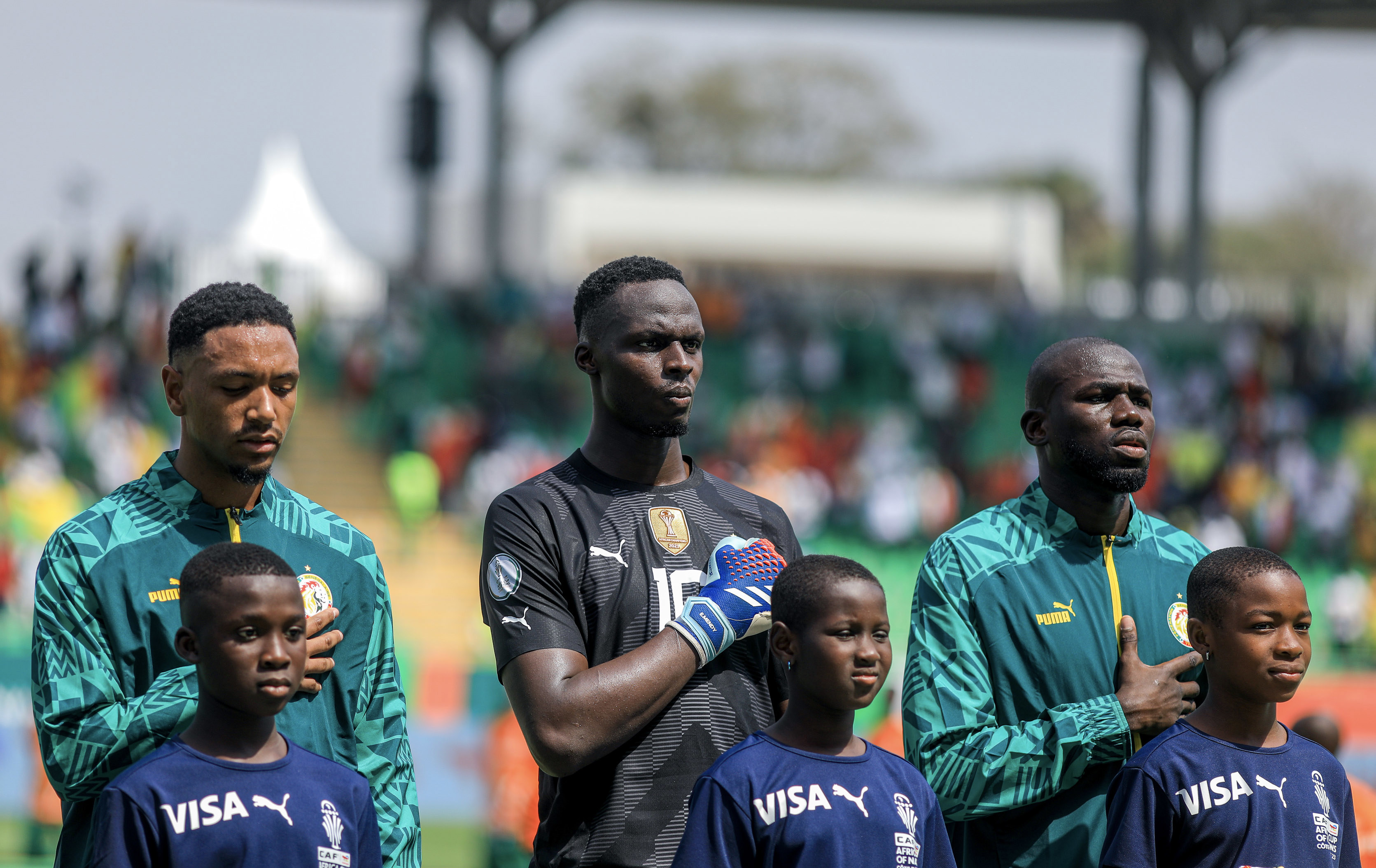
Senegal won the final 1-0 against Morocco in Rabat in January following extra time, but were stripped of the trophy two months later after CAF's Appeal Board ruled they had forfeited the match by walking off the pitch for 14 minutes in protest over a late penalty decision. The controversy centred on Senegal players, including several who returned to the dressing room, abandoning the field after the referee awarded a spot kick in the 89th minute. Morocco missed the penalty, and the match proceeded to extra time, where Senegal scored the decisive goal.
The case highlights a fundamental tension between football law and tournament regulations. CAF relied on tournament rules stating that teams leaving the ground without referee authorisation before the regular end of a match shall be considered losers and eliminated. However, Senegal contends that their departure was temporary and should not trigger permanent disqualification under the Laws of the Game, where referee decisions on incidents of play are final and cannot be revisited.
The Legal Battle Ahead
A three-member CAS panel will examine arguments from all parties. The panel is led by French civil rights expert Gerald Simon, alongside Italian international law professor Luigi Fumagalli and Ulrich Haas, a Hamburg-based lawyer and University of Zurich professor.
The core disagreement centres on how to interpret CAF's tournament regulations. Senegal's legal team is expected to argue for a strict, narrow reading: that a temporary walkoff differs fundamentally from abandoning a match and cannot justify permanent elimination. Morocco and CAF, meanwhile, will likely advocate for a broader interpretation treating any unauthorised departure from the field as a forfeiture, regardless of duration or intent.
The hearing will take place behind closed doors. While CAS has not committed to a timeline for its decision, the panel will begin deliberations after hearing arguments conclude.
Why It Matters for Ghana
This case carries significant implications for West African football and the credibility of continental competitions. Ghana, as a fellow AFCON competitor and ECOWAS member, has a stake in how African football's governing body enforces its rules. The decision will establish precedent for how disciplinary measures are applied in future tournaments, potentially affecting any Ghanaian team facing similar circumstances.
Moreover, the controversy threatens AFCON's integrity and credibility. If CAS rules in Senegal's favour, it would represent a major setback for CAF and raise questions about the Appeal Board's judgment. Conversely, a ruling upholding Morocco's title might be perceived as validating controversial interpretations of tournament rules, with implications for how Ghana and other nations navigate disciplinary scenarios.
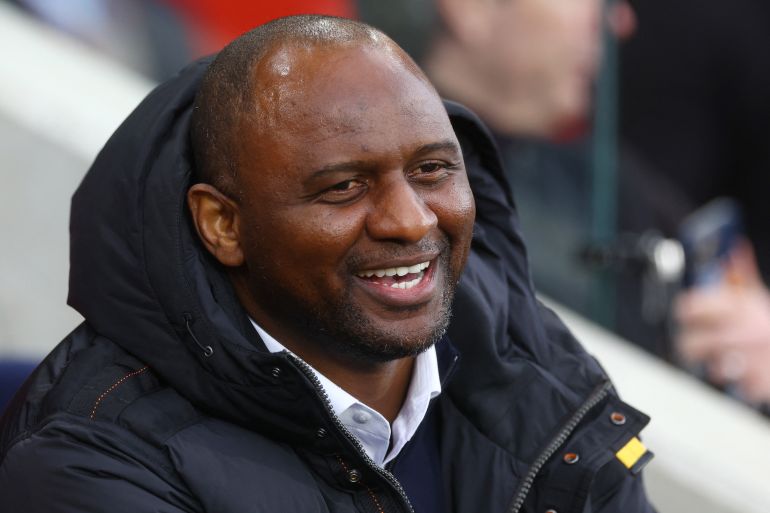
The timing is also noteworthy: Senegal has already begun qualifying for AFCON 2027 under new coach Patrick Vieira, drawing with Mozambique before defeating Ethiopia 1-0 in late September. A reinstatement would provide psychological vindication as they pursue the next continental crown.
CAS's decision, whenever it arrives, will reshape how African football administrators interpret player conduct during matches and the balance between maintaining sporting order and proportional punishment.
Source: Today GH
-1200x785.webp)

Comments (0)
Be the first to comment.