Navigating Care for Aging Parents: How Ghanaian Families Can Balance Support and Independence
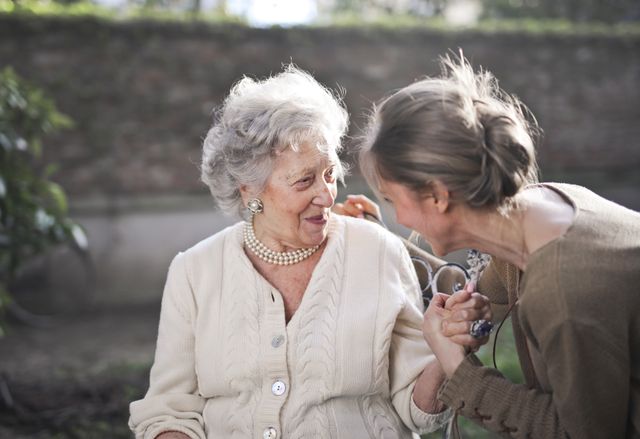
In many Ghanaian households, the shift from adult children receiving care to providing it for ageing parents represents one of life's most delicate transitions. Whether parents live in Accra, Kumasi, or rural communities, families increasingly grapple with how to offer meaningful support without undermining the independence and dignity their elders have fought to maintain for decades.
The challenge is particularly acute in Ghana, where extended family structures mean adult children often shoulder caregiving responsibilities that might be shared more widely in other contexts. Yet cultural expectations of respect and filial duty can sometimes clash with practical realities, creating tension and misunderstanding.
Five Challenges Ghanaian Families Commonly Face
Parental resistance to help: Many older Ghanaians struggle to accept assistance with tasks they've always managed independently. Rather than imposing help, successful families ask parents directly what feels difficult, then offer specific, manageable options—like handling market shopping or coordinating clinic visits. This preserves their agency whilst creating space for genuine support.
Social isolation: Retirement and the loss of long-time friends can rapidly shrink an elderly person's social world, affecting mental health and overall wellbeing. Adult children can counter this by facilitating regular visits from extended family, helping arrange calls to old friends, and exploring community gatherings or church activities where parents can maintain meaningful connections.
Technology barriers: As banking, healthcare appointments, and utility payments increasingly move online, many older Ghanaians feel left behind. Rather than simply handling digital tasks for parents, teaching them one application at a time—starting with video calling to stay in touch with distant family—builds confidence and reduces dependency.
Living arrangement disagreements: Conversations about whether parents should remain at home, move in with adult children, or enter care facilities can become emotionally charged. Approaching these discussions calmly, acknowledging parental concerns, and visiting potential living arrangements together transforms what feels like a decision being imposed into a collaborative family process.
Care quality concerns: For parents in nursing homes or care facilities, adult children naturally worry about standards of care. Regular visits, open communication with staff, and attention to warning signs—such as unexplained injuries, poor hygiene, or withdrawn behaviour—help ensure parents receive appropriate treatment and respect.
Why This Matters for Ghana
Ghana's demographic profile is shifting. The population is ageing, and by 2050, adults aged 60 and over will comprise a significantly larger proportion of society. Meanwhile, urbanisation and economic pressures mean many adult children live apart from aging parents, complicating hands-on caregiving. Traditional extended-family support systems, whilst still strong, face strain from modern living arrangements.
Additionally, Ghana's healthcare and social care infrastructure remains under-resourced. Many families lack access to formal elder-care services, placing primary responsibility on adult children and spouses. Understanding how to navigate caregiving challenges with compassion and strategy—without burning out or allowing parents to suffer preventable isolation or neglect—is becoming essential knowledge for millions of Ghanaian families.
The path forward is one of balance: honouring parents' lifetime of independence and wisdom whilst acknowledging their evolving needs. When adult children approach caregiving as partnership rather than takeover, families strengthen rather than fracture. In Ghana's context, where family bonds remain central to identity and security, getting this right matters deeply—for individual households and for society as it ages.
Source: Ameyaw Debrah




Comments (0)
Be the first to comment.