
How Ghanaians Can Cut Their Diabetes Risk: Expert Urges Action on Lifestyle Habits


A Ghanaian medical professional, Dr Sunu, is sounding the alarm on the growing threat of diabetes in the country, stressing that the choices people make every day — from what they eat to how much they move — can either protect them from the disease or dramatically increase their chances of developing it. His message is clear: lifestyle is not just a contributing factor, it is often the deciding one.
The lifestyle connection
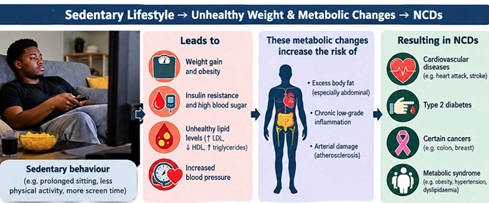
According to Dr Sunu, a sedentary lifestyle is among the most dangerous habits a person can adopt when it comes to diabetes risk. Spending long hours seated — whether at a desk, in traffic, or in front of a screen — without compensating with regular physical activity creates conditions in the body that make it harder to regulate blood sugar effectively.
He is urging Ghanaians to incorporate regular exercise into their daily routines, noting that it does not have to be intense or expensive. Even brisk walking, taking the stairs, or engaging in light home-based workouts consistently can make a meaningful difference. The key, he emphasises, is consistency rather than intensity.
Weight management is another central pillar of his advice. Carrying excess body weight, particularly around the abdomen, is closely linked to insulin resistance — a condition in which the body's cells do not respond properly to insulin, eventually leading to Type 2 diabetes. Dr Sunu notes that even modest reductions in body weight can significantly lower a person's risk.
Why it matters for Ghana
Diabetes has become one of the most pressing public health concerns across sub-Saharan Africa, and Ghana is no exception. Changing diets — with a rising consumption of processed foods, sugary drinks, and refined carbohydrates — combined with increasingly sedentary urban lifestyles have contributed to a surge in diabetes cases over recent decades.
Many Ghanaians are diagnosed late, often after complications such as kidney problems, vision loss, or nerve damage have already set in. This is partly because early-stage Type 2 diabetes frequently presents no obvious symptoms, meaning people can live with the condition for years without knowing. Early prevention, therefore, carries far more value than late-stage treatment.
The economic burden is also significant. Managing diabetes long-term — including medication, monitoring equipment, and specialist appointments — places a heavy financial strain on families, many of whom lack comprehensive health insurance coverage. Preventing the disease altogether is not just a health win; it is a financial one.
Dr Sunu's reminder that lifestyle presents an opportunity — not just a risk — is an important reframing. It places agency in the hands of individuals rather than leaving them feeling helpless in the face of a complex medical condition.
Practical steps Ghanaians can take now
- Move more: Aim for at least 30 minutes of moderate physical activity most days of the week. Walking to the market, dancing, or cycling all count.
- Watch your plate: Reduce portions of refined carbohydrates like white rice and processed foods. Increase vegetables, legumes, and whole grains.
- Know your numbers: Get your blood sugar checked regularly, especially if you have a family history of diabetes or are over 40.
- Limit sugary drinks: Sodas, sweetened juices, and energy drinks spike blood sugar and contribute to weight gain.
- Manage stress: Chronic stress can affect hormone levels and blood sugar regulation. Rest, sleep, and mental wellness matter too.
Diabetes cannot always be prevented — genetics and other factors play a role — but Dr Sunu's core message holds: the earlier and more seriously Ghanaians treat their lifestyle habits, the better their chances of either avoiding the disease entirely or pushing back the age at which it might develop. That window of opportunity is worth protecting.
Source: 3News




Comments (0)
Be the first to comment.