
Building Stronger Families: Why Ghanaian Parents Must Raise Boys and Girls with Equal Care and Empathy


As Ghana's social landscape continues to shift, a growing call is emerging from experts for parents and guardians to fundamentally rethink how they raise their children—with particular emphasis on breaking down the rigid gender roles that have long defined family structures across the country.
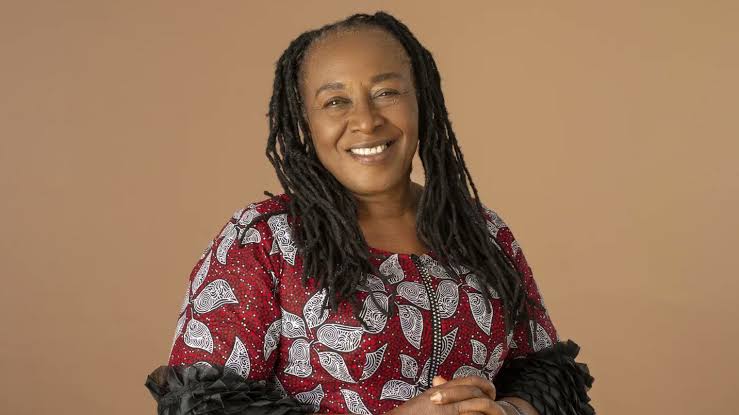
Stephana Sefa Boateng has highlighted the critical need for balanced upbringing of both boys and girls, stressing that outdated parenting approaches may be inadvertently weakening family bonds rather than strengthening them. According to the advocate, the solution lies in equipping all children, regardless of gender, with shared core values: empathy, open communication, and emotional intelligence.
The Case for Changing How We Parent
Traditional Ghanaian parenting has often operated on distinct expectations. Boys are frequently encouraged towards assertiveness and emotional restraint, while girls are taught compliance and domestic focus. This imbalance, Boateng argues, leaves both genders emotionally unprepared for modern relationships and family responsibilities.
By raising children with balanced expectations—where both boys and girls learn to cook, communicate feelings, listen actively, and show compassion—families create foundations for healthier adult relationships. Children who develop empathy early are more likely to become parents, partners, and community members who prioritise understanding over conflict.
Communication skills deserve particular attention. Families where members openly discuss challenges, emotions, and concerns tend to weather life's pressures more effectively than those built on silence and hierarchy.
Why It Matters for Ghana
Ghana's family structure remains central to social stability, economic security, and personal identity. Yet rising rates of marital breakdown, youth disconnect, and intergenerational tension suggest that traditional models alone are insufficient for contemporary challenges.
When boys grow up without exposure to emotional expression or household responsibility, they often struggle as adult partners and fathers. When girls are raised primarily for roles defined by others, they may lack confidence in decision-making that affects their own futures. Both scenarios undermine family cohesion.
The shift Boateng advocates aligns with ongoing conversations across Africa about education, gender equality, and mental health. Progressive Ghanaian organisations working on child welfare, education policy, and domestic violence prevention increasingly recognise that preventing family breakdown begins in childhood—with how we teach children to relate to one another.
This is not about erasing cultural identity or parental authority. Rather, it is about expanding the toolkit every child receives, regardless of gender, so they can navigate relationships with wisdom and care.
Moving Forward
For Ghanaian families, the practical implications are clear. Parents might consider:
- Teaching all children basic life skills—cooking, cleaning, emotional regulation—without gendered shame
- Creating space for honest conversation about feelings, struggles, and relationships within the family
- Modelling empathy and respect between adults, especially across gender lines
- Encouraging curiosity and leadership in all children, not just sons
- Discussing how social expectations have changed and why flexibility strengthens family bonds
As Ghana develops economically and socially, the families that will thrive are those that adapt intelligently—keeping what is valuable in tradition while embracing the emotional wisdom required for lasting relationships. Balanced parenting of boys and girls is not a luxury; it is an investment in the nation's future stability and wellbeing.
Source: 3News




Comments (0)
Be the first to comment.