
Ghana's Rising Divorce Crisis: Why One Expert Is Pointing Fingers at Pastors and Religious Leaders


A relationship and family expert has sparked conversation in Ghana by placing partial blame for the country's rising rate of marital breakdowns on religious leaders, arguing that pastors and other clergy are not doing enough to prepare couples for the realities of marriage.
The expert, speaking on the growing trend of divorces and separations across the country, said that while there are many contributing factors to the breakdown of marriages in Ghana, the role of religious institutions cannot be overlooked — particularly given how central the church and mosque remain to Ghanaian family life.
What the expert is saying
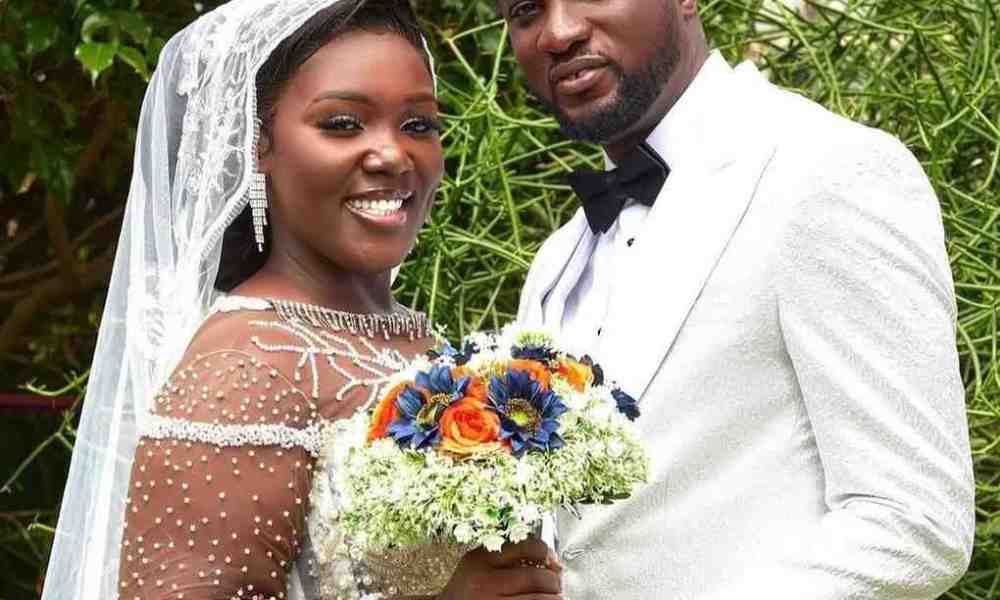
According to the expert, many religious leaders focus heavily on the ceremonial aspects of marriage — the wedding service, the blessings, the vows — but fall short when it comes to providing couples with practical, ongoing support for managing conflict, communication challenges, and the everyday pressures that strain relationships.
The expert argued that pre-marital counselling, where it exists in many Ghanaian congregations, is often too brief, too generic, and insufficiently equipped to address real issues such as financial stress, infidelity, domestic disputes, and mental health. Post-wedding support, the expert added, is largely absent from most religious communities.
The criticism is not an attack on faith or religion itself, the expert was careful to note, but rather a call for religious leaders to take a more serious, structured and skilled approach to the pastoral care of married couples within their congregations.
Why it matters for Ghana
Ghana is a deeply religious country, with the vast majority of the population identifying as Christian or Muslim. For most Ghanaians, the church or mosque is not merely a place of worship — it is a community anchor, a moral authority, and often the first port of call during personal crises, including marital ones.
This means religious leaders carry enormous influence over how couples perceive and respond to conflict in their marriages. If that influence is not channelled into genuinely helpful guidance, it can inadvertently make situations worse — whether by encouraging couples to simply pray through problems without addressing root causes, or by stigmatising separation in ways that trap people in harmful situations.
Marital breakdown carries significant social and economic consequences in Ghana. Children from broken homes face disruptions to their education and emotional wellbeing. Women, who often bear a disproportionate burden in divorce proceedings, may face financial hardship and social stigma. Courts and legal aid institutions are also under growing pressure as more separation and custody cases come before them.
A wider conversation about marriage support in Ghana
The expert's comments come amid broader public debate about the state of marriage in modern Ghana. Changing economic pressures, urbanisation, shifting gender roles, and increased exposure to social media have all been cited by commentators as factors altering how Ghanaians approach and sustain romantic partnerships.
Many family counsellors and social workers have called for a more coordinated national response — one that involves not only religious institutions but also schools, workplaces, healthcare providers, and government agencies — to build a culture of stronger, better-supported marriages.
The challenge for religious leaders, the expert suggests, is to evolve with the times. Equipping pastors, imams and other clergy with trained counselling skills, evidence-based conflict resolution tools, and referral pathways to professional therapists could make a meaningful difference to the couples who turn to them for guidance.
Whether Ghana's influential religious bodies will respond to this challenge remains to be seen — but the conversation, it seems, has well and truly begun.
Source: 3News



Comments (0)
Be the first to comment.