
National Chief Imam Endorses Arabic as Optional Subject in Ghana's Public Schools
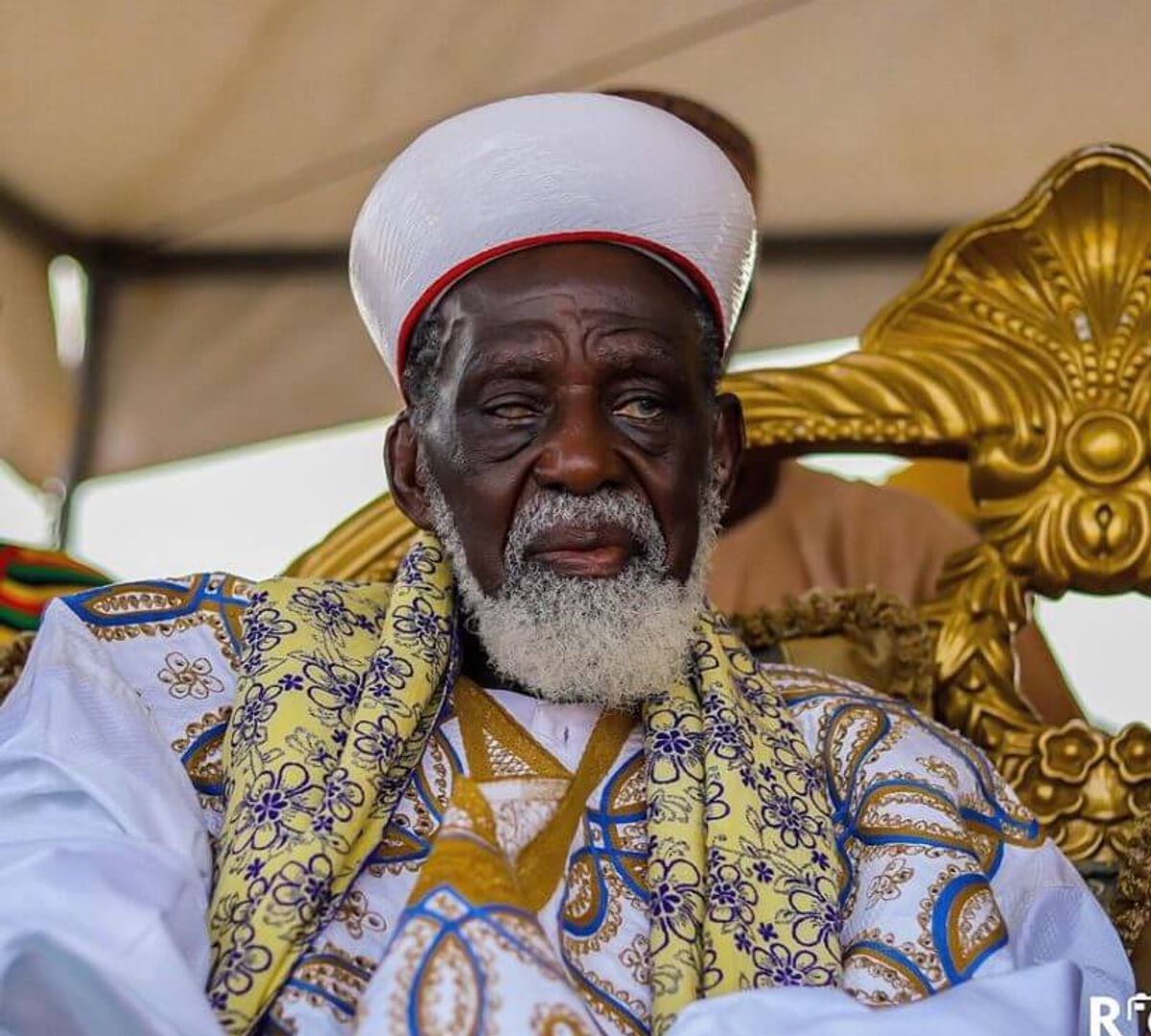

The Office of the National Chief Imam has thrown its weight behind the government's initiative to introduce Arabic as an optional subject in Ghana's public schools, positioning the move as a strategic investment in students' global competitiveness rather than a religious agenda.
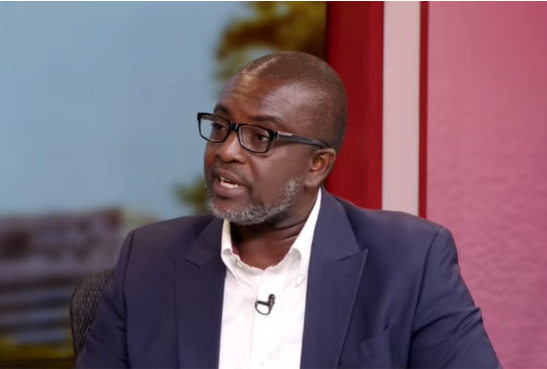
The endorsement comes after Education Minister Haruna Iddrisu announced plans to add Arabic and Chinese to the curriculum as elective subjects. The declaration sparked debate among stakeholders, with some worried that introducing foreign languages might overshadow the teaching of local Ghanaian languages.
In a statement released by Dr Abubakari Mohammed Marzuq Azindoo, Personal Assistant to the National Chief Imam, the Office framed Arabic primarily as a global lingua franca used in diplomacy, science and international commerce—not as a vehicle for religious identity. The statement noted that Arabic is one of the six official languages of the United Nations and plays a crucial role in economic communication across several regions worldwide.
Why It Matters for Ghana
This development touches on a broader tension in Ghana's education policy: how to balance equipping students with internationally recognised skills whilst preserving local cultural and linguistic heritage. The endorsement from the National Chief Imam is significant because it addresses a key concern among some Ghanaians who feared the introduction of Arabic might blur the secular character of public education or promote religious doctrine.
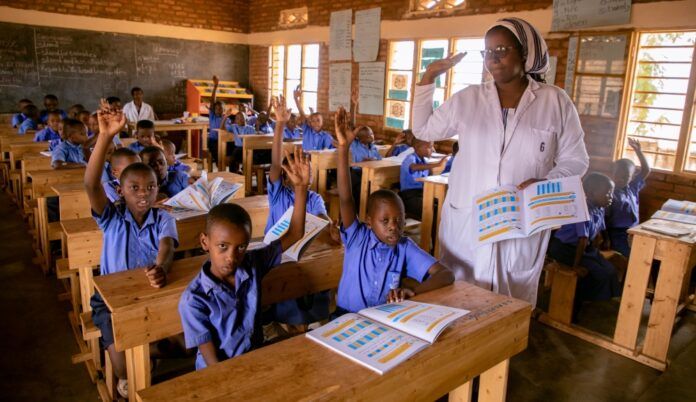
For Ghanaian students, proficiency in Arabic could open doors to employment and educational opportunities across North Africa, the Middle East and international organisations where the language is essential. The National Council for Curriculum and Assessment (NaCCA) will develop a standardised curriculum, ensuring quality control and consistency across schools offering the optional subject.
The Chief Imam's office emphasised that Ghana's constitutional framework protects religious freedom whilst explicitly prohibiting a state religion, and that introducing Arabic does not alter this constitutional safeguard. The statement drew a parallel with other foreign languages already taught in Ghanaian schools—French, German and Spanish—which have enriched academic development without compromising students' cultural or religious identities.
Addressing Concerns and Moving Forward
The Chief Imam's office called for constructive dialogue to address lingering concerns about the policy, urging educationists, policymakers and the public to base discussions on facts rather than speculation. The statement warned against misinformation and disinformation, encouraging citizens to seek information from credible sources.
The Office reaffirmed its commitment to partnering with the Ministry of Education and the Ghana Education Service to develop an inclusive, peaceful and globally competitive education system. This collaborative approach suggests that implementation will involve consultation with multiple stakeholders, including religious leaders, educators and parents.
For Ghana to remain economically competitive in an increasingly interconnected world, equipping young people with diverse linguistic skills is viewed as essential. Arabic proficiency may enable Ghanaian graduates to participate more effectively in international diplomacy, trade and research—sectors where the language carries significant weight.
Source: MyJoyOnline



Comments (0)
Be the first to comment.