Ghana drops foreign language requirement in primary schools under new education policy
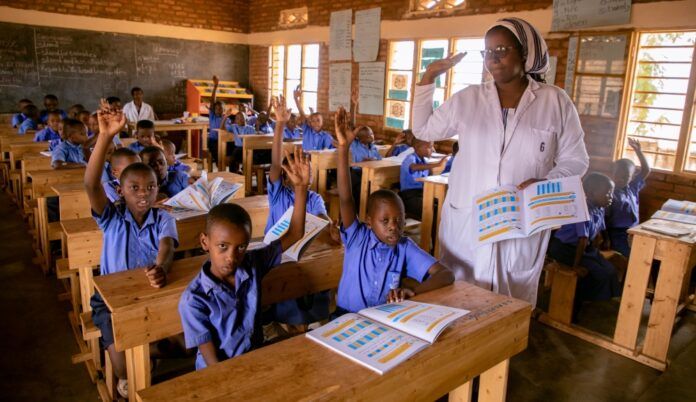
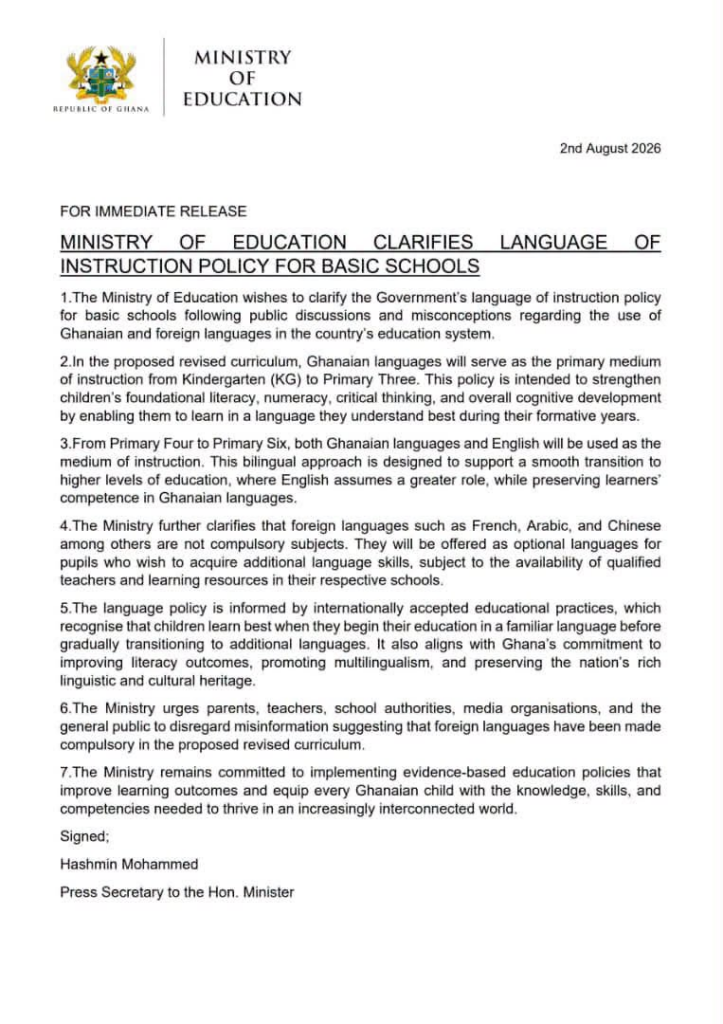
Ghana's Ministry of Education has moved to clear the air surrounding a significant shift in language policy at the basic school level, announcing that foreign languages will no longer be compulsory for pupils. The clarification, issued on Sunday, August 2, 2026, comes as the policy sparked widespread debate among parents, educators and policymakers about the direction of the country's educational framework.
The ministry's statement addressed growing public confusion and misconceptions that had emerged following initial announcements about how languages would be taught in Ghanaian primary and junior high schools. The decision marks a notable departure from previous educational structures where learning English and French was often mandatory alongside local languages.
What the new policy entails
Under the revised approach, schools will have greater flexibility in how they incorporate language instruction into their curricula. While the specifics of how this flexibility will be implemented across Ghana's education system remain to be fully detailed, the policy signals a shift towards allowing individual schools and regions to make decisions based on their resources and student needs.
This change could have significant implications for how Ghanaian schools allocate teaching resources, curriculum time, and staff training programmes. Schools in urban areas with greater access to qualified language teachers may maintain robust foreign language programmes, whilst rural institutions may prioritise core competencies in English and local Ghanaian languages such as Twi, Ga, Ewe, and Hausa.
Why it matters for Ghana's education system
The policy adjustment reflects broader discussions within Ghana's education sector about curriculum priorities and practical implementation challenges. For years, educational stakeholders have debated whether mandatory foreign language learning at basic school level genuinely serves students' needs, particularly when English proficiency remains a challenge in many communities.
Making foreign languages non-compulsory could allow schools to concentrate resources on strengthening foundational literacy and numeracy skills, which remain critical gaps in Ghana's education outcomes. It may also reduce pressure on teachers in resource-constrained schools where qualified language instructors are scarce.
However, the policy raises questions about Ghana's international competitiveness. As a country increasingly engaged with global markets and seeking to position itself as a regional hub for trade and investment, some educationalists argue that limiting foreign language exposure at an early stage could disadvantage Ghanaian students in the long term. Proficiency in French, for instance, remains valuable given Ghana's position within West Africa and the francophone community's economic influence.
Next steps for schools and parents
Schools are expected to receive further guidance from the Ministry of Education on implementing this policy, including how to structure language offerings and the criteria for selecting which languages to prioritise. Parents seeking clarity on how this will affect their children's education should engage with their schools' management to understand local implementation plans.
The ministry's decision underscores the ongoing evolution of Ghana's education policy as officials attempt to balance competing demands: maintaining international standards, building core literacy skills, respecting cultural and linguistic diversity, and working within real resource constraints that characterise many Ghanaian schools.
Source: 3News


Comments (0)
Be the first to comment.