
Expert warns sexual abuse crisis may be far worse in Ghana's primary schools than secondary institutions

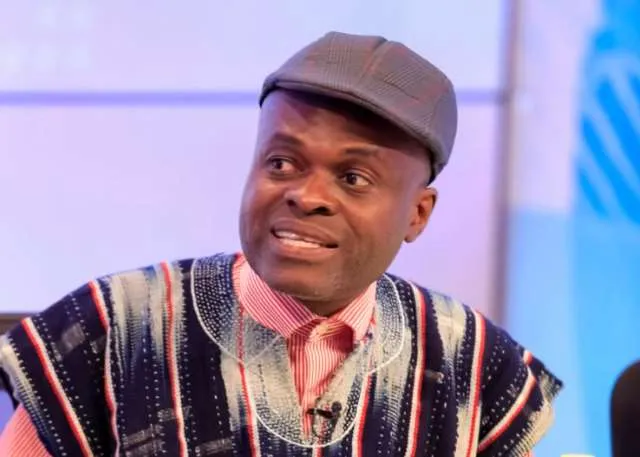
Sexual misconduct in Ghana's educational system may be significantly underreported at primary level, with abuse potentially more widespread in basic schools than senior high schools, according to Angel Carbonu, former president of the National Association of Graduate Teachers (NAGRAT).
Speaking on The Big Issue programme on Channel One TV, Carbonu raised concerns that younger pupils' vulnerability, the sheer number of basic schools nationwide, and deeply rooted cultural practices in certain communities may be enabling higher rates of abuse that go largely undetected and unreported.
His warning comes amid ongoing investigations into serious allegations against Zakaria Abdulai, headmaster of Obuasi Senior High Technical School, who faces accusations of sexual assault involving 19 students. The case has reignited public debate about safeguarding in Ghanaian schools and the effectiveness of systems designed to protect young people.
Why the concern extends beyond high schools
Carbonu's assessment suggests that while high-profile cases at secondary institutions receive media attention and official scrutiny, abuse at basic school level may operate largely in the shadows. Primary school children are developmentally more vulnerable and less likely to report abuse due to limited understanding of their rights, fear of authority figures, and in some cases, normalisation of inappropriate behaviour within household and community contexts.
The sheer scale of Ghana's basic school sector—comprising thousands of public and private institutions spread across urban and rural areas—makes comprehensive oversight challenging. In remote communities particularly, weak institutional accountability structures and limited access to reporting mechanisms may allow perpetrators to operate with impunity.
Cultural factors and the silence surrounding abuse
Carbonu's reference to "entrenched cultural practices" points to a critical obstacle in combating school-based sexual misconduct. In some Ghanaian communities, cultural norms around authority, respect for elders, and shame surrounding sexual matters create environments where victims remain silent. Survivors may fear social stigma, family blame, or having their credibility questioned—particularly in patriarchal settings where girls' testimonies carry less weight.
Additionally, some communities may view reports of teacher misconduct as bringing shame on educational institutions or authority figures, leading families to handle incidents privately or not at all rather than pursuing formal complaints or legal action.
What this means for Ghana's education system
Carbonu's assessment underscores a critical gap in Ghana's child protection framework. While high schools have become focal points for abuse investigations following high-profile cases, basic schools may require equally—or even more—rigorous safeguarding measures.
Addressing this challenge will likely require multifaceted interventions: strengthened mandatory reporting systems with clear whistleblower protections; comprehensive staff vetting and training across all school levels; age-appropriate education for primary pupils about bodily autonomy and safe reporting; and community engagement to shift cultural attitudes enabling abuse. Schools in rural and underserved areas particularly need adequate resources and oversight mechanisms currently lacking.
The Education Ministry, Ghana Police Service, and child protection agencies may need to prioritise basic schools in future investigations and preventive strategies, rather than concentrating resources solely on secondary institutions where cases become public.
Source: The Ghana Report



Comments (0)
Be the first to comment.