
Obuasi School Sexual Abuse Case Demands National Accountability, Says Legal Expert
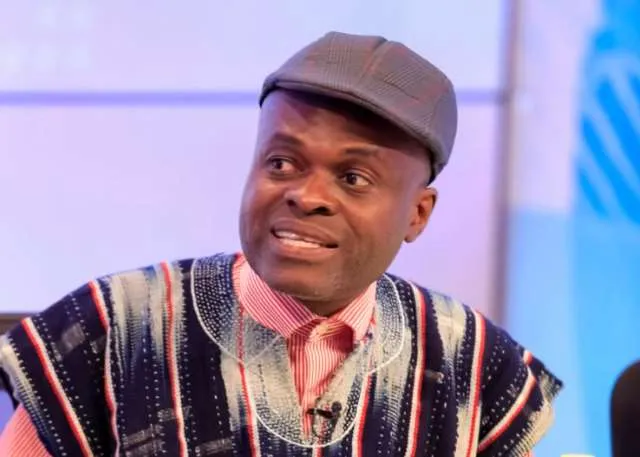

A prominent legal commentator has raised alarm over how Ghana is handling allegations of sexual abuse at Obuasi Senior High Technical School, cautioning that inadequate response to such cases undermines victims and fails the nation's youth.
The call for stricter accountability comes as questions mount about the thoroughness of investigations and whether institutional mechanisms exist to protect students and ensure justice for survivors of sexual misconduct in Ghana's educational system.
The Broader Pattern of School Abuse in Ghana
Sexual harassment and abuse in Ghanaian secondary schools have become recurring concerns. Students, particularly girls, face vulnerability in boarding facilities where supervision gaps and power imbalances create environments conducive to misconduct. Previous scandals at various institutions have revealed systemic weaknesses in reporting mechanisms, disciplinary procedures, and victim support structures.
The Obuasi case exemplifies these institutional failures. When allegations emerge, the response often involves informal settlements, transfers of accused staff, or protracted investigations that frustrate survivors. Such patterns signal to potential perpetrators that consequences may be minimal, while victims are left without closure or justice.
Why This Matters for Ghana
How Ghana handles sexual misconduct in schools reflects broader societal values regarding child protection, gender equality, and the rule of law. Several critical issues are at stake:
- Victim confidence: If cases are whitewashed or mishandled, students lose faith in reporting systems and suffer in silence, allowing abuse to persist unchecked.
- Institutional integrity: Schools must maintain environments where learning thrives free from fear. Failure to act decisively damages educational quality and school reputations.
- Legal precedent: Inadequate prosecution sends the message that sexual abuse carries minimal risk, emboldening repeat offenders and normalising predatory behaviour.
- Gender justice: The majority of victims are girls. Failing them perpetuates a culture where female students are viewed as vulnerable targets rather than protected learners.
- Policy gaps: Each scandal reveals weaknesses in Ghana's protocols for investigating, prosecuting, and supporting survivors in educational settings.
Ghana's constitution and child protection laws are clear: children have the right to safety and dignity. Yet implementation remains inconsistent. Schools sometimes prioritise institutional reputation over thorough investigation. Parents lack confidence in formal channels. Accused persons move between schools. Survivors are re-traumatised by delays and dismissals of their claims.
What Must Change
Addressing this requires multiple interventions. First, independent investigations led by external bodies with expertise in sexual abuse cases should replace school-based inquiries prone to institutional bias. Second, survivors need guaranteed access to counselling, legal aid, and clear pathways to justice without being pressured into silence through settlements.
Third, institutions must establish robust reporting mechanisms that protect whistleblowers and ensure confidentiality. Fourth, disciplinary procedures should be swift, transparent, and proportionate, with dismissal and prosecution where evidence supports criminal conduct.
Finally, Ghana's educational authorities must mandate regular training for staff on recognising and reporting abuse, and establish oversight bodies to audit compliance with child protection standards across all schools.
The message emerging from cases like Obuasi is straightforward: national commitment to protecting schoolchildren must be matched by action. Anything less betrays Ghana's young people and the nation's professed values.
Source: 3News




Comments (0)
Be the first to comment.