
Obuasi School Scandal Exposes Gaps in Ghana's Child Protection System


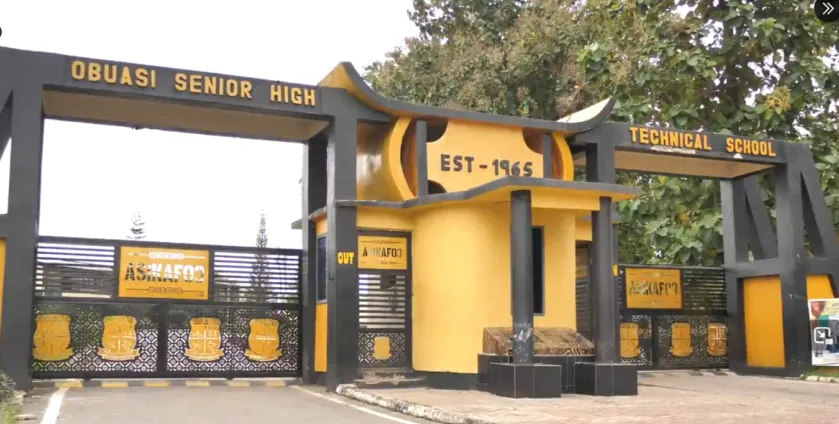
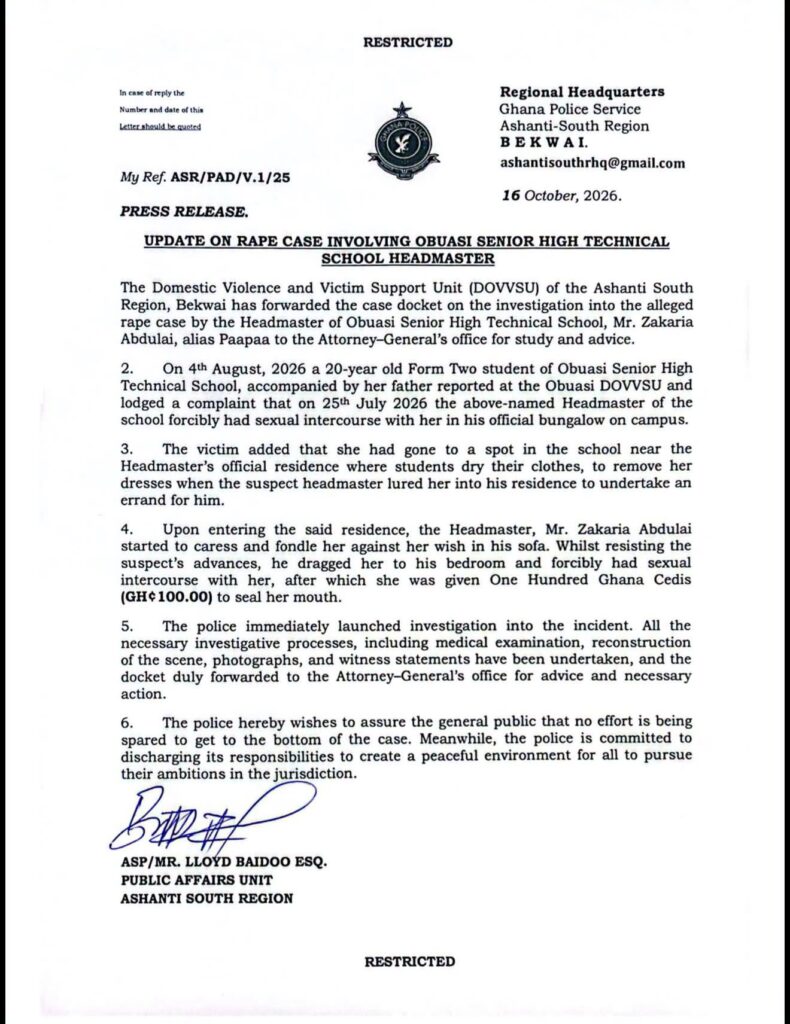
A major scandal involving allegations of sexual abuse at Obuasi Senior High Technical School in Ashanti Region has forced Ghana to confront uncomfortable truths about how institutions protect children and whether political connections shield the accused from accountability. An investigative documentary by JoyNews and journalist Manasseh Azure Awuni has brought the matter into sharp national focus, alleging misconduct by the school's headmaster and raising serious questions about who knew of complaints and why systems failed to act swiftly.
The case presents a watershed moment for Ghana's education sector and child protection frameworks. It is not simply about whether one individual committed offences—though that question matters—but rather about whether the institutions entrusted with safeguarding children functioned as they should.
The Core Questions Around Institutional Failure
According to available reports, complaints and petitions from students, parents and teachers reportedly reached school management, education officials and other authorities long before media investigations brought public attention. This timeline is crucial. If substantiated, it suggests the system did not respond with the urgency that protecting children demands.
A particularly disturbing allegation involves 38 teachers reportedly being asked to leave the school after speaking against the headmaster. Such reprisals—if confirmed—would represent a severe institutional failure, one that discourages staff from reporting misconduct and creates a climate of fear rather than accountability.
The fundamental question is straightforward: why did students and families need to wait for investigative journalism to prompt visible institutional action? Why were concerns raised through official channels apparently not treated with corresponding seriousness? These are not political attacks; they are questions of institutional responsibility that education authorities must answer transparently.
Political Affiliation and the Presumption of Protection
Reports indicate the headmaster held a constituency executive position within the governing National Democratic Congress (NDC) and sought higher party office. The party's initial decision to allow him to continue in the contest—citing presumption of innocence—before reversing course highlights a troubling pattern: the tendency for political loyalty to blur institutional safeguarding responsibilities.
This raises a critical question about political leadership in Ghana: at what point does loyalty to a political organisation compete with commitment to the principles that organisation claims to represent? Political parties play essential roles in democracy, but they are not moral authorities whose decisions automatically determine right from wrong. When party considerations appear to delay or obstruct investigation of serious allegations, public confidence in all institutions suffers.
Why This Matters for Ghana's Education System
Ghana's schools house hundreds of thousands of vulnerable young people. Parents entrust them to institutions expecting professional safeguarding, clear accountability and swift response to concerns. The Obuasi case suggests these expectations may not always be met.
Several systemic questions emerge. First, are reporting mechanisms for sexual abuse allegations sufficiently robust and confidential? Second, do education authorities have clear protocols for escalating serious allegations? Third, are staff who report misconduct protected from retaliation? Fourth, does the Education Ministry have sufficient independence to investigate schools without political interference?
The case also exposes potential gaps between the presumption of innocence—a vital legal principle—and institutional duty to protect. These are not opposing ideas. A responsible system can afford accused persons due process while simultaneously protecting potential victims through interim measures, preserving evidence and ensuring investigations are not compromised by institutional reputation-management or political convenience.
Ghana has child protection policies, but their effectiveness depends on institutional will and political neutrality. If schools perceive that senior staff can benefit from political connections, or if teachers fear reprisal for reporting, the entire system becomes compromised.
The Path Forward
Independent investigation of all allegations—against the headmaster and regarding alleged teacher dismissals—is essential. Education authorities must publish clear findings and demonstrate that due process has been followed. Crucially, Ghana's education sector must examine and strengthen its safeguarding frameworks to prevent future cases from being allowed to fester unaddressed.
Political parties can support their members' presumption of innocence while simultaneously accepting that institutional accountability cannot wait for conviction. In Ghana's democracy, protecting children must rank above protecting political convenience.
Source: MyJoyOnline



Comments (0)
Be the first to comment.