
Stop hiding sexual abuse in families, NPP urges Ghana as Obuasi school scandal deepens
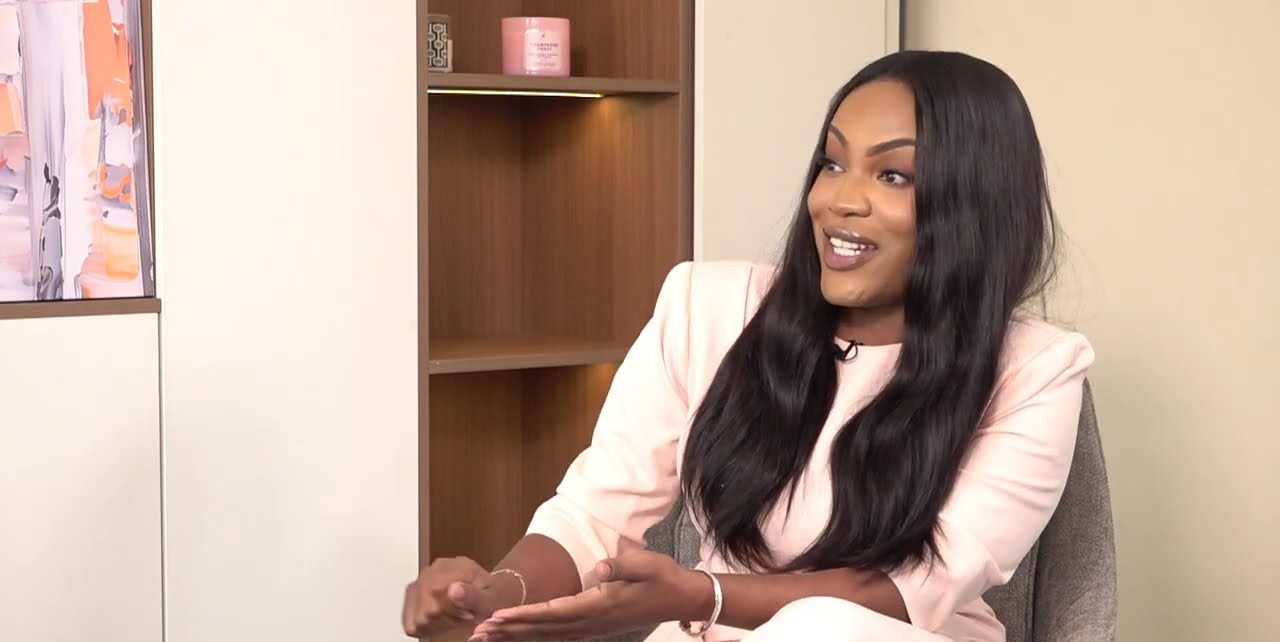

Ghana's political leadership is intensifying calls for a cultural shift in how the country handles sexual abuse allegations, with the opposition NPP arguing that private family settlements are enabling perpetrators and failing victims. The intervention comes as a major scandal unfolds at Obuasi Senior High Technical School, where 19 students have accused the institution's headmaster, Zakaria Abdulai, of rape.
Dr. Ekua Amoakoh, spokesperson for NPP flagbearer Dr Mahamudu Bawumia, has urged Ghanaian families to abandon the traditional practice of resolving sexual abuse cases internally and instead report incidents to law enforcement and other appropriate authorities. Speaking on Saturday, October 24, Amoakoh stressed that keeping such cases within families prevents victims from accessing justice and specialist support they desperately need.
The cultural barrier to justice
Amoakoh highlighted a persistent problem in Ghanaian society: the preference among some families to settle abuse cases quietly to preserve family honour or avoid stigma. "Culturally, we need to realize that this is a serious matter that requires all of us to come together and deal with," she said, acknowledging that change requires a broader shift in how communities perceive and respond to abuse allegations.
The NPP spokesperson identified a second barrier to reporting: the stigma and blame directed at survivors who speak out. She warned that victims often face negative treatment from their own communities when they come forward, creating a chilling effect that discourages others from reporting abuse. This victim-blaming culture, she argued, must be dismantled if Ghana is to effectively address sexual abuse.
Why it matters for Ghana
The Obuasi case represents a watershed moment for Ghana's child protection systems. The scale of allegations—19 students at a single institution—suggests widespread failures in school oversight and safeguarding mechanisms. However, the broader significance lies in what Amoakoh's statement reveals about Ghana's approach to sexual abuse: the country lacks sufficient cultural support for victims and continues to prioritise family reputation over accountability and healing.
Private settlements mean no criminal records, no investigation, and no prevention of future abuse. They also deny victims access to formal support services, psychological counselling, and medical care. For Ghana to improve child protection outcomes, schools, families and communities must understand that reporting abuse is not shameful—concealing it is. The Obuasi scandal illustrates the danger of silence.
Supporting survivors through formal channels
Amoakoh emphasised that students who have come forward in the Obuasi case require immediate psychological and emotional support. She called for authorities to prioritise the mental health and well-being of alleged victims as investigations proceed, recognising that trauma from abuse often extends far beyond the immediate incident.
The NPP statement represents rare political consensus on a sensitive issue. Both major political parties in Ghana have acknowledged that sexual abuse is endemic in schools and that existing systems are insufficient. However, rhetoric must translate into action: adequate funding for victim support services, training for school administrators on safeguarding, and public education campaigns that challenge the cultural practices enabling abuse.
Ghana's education sector has faced mounting criticism over child protection failures in recent years. The Obuasi case now forces a reckoning: either the country commits to systematic change in how it responds to abuse, or it accepts continued victimisation of vulnerable students in institutions meant to educate them.
Source: The Ghana Report



Comments (0)
Be the first to comment.