MTN Group's Banking Push: What Ghana's Telecom Landscape Could Look Like
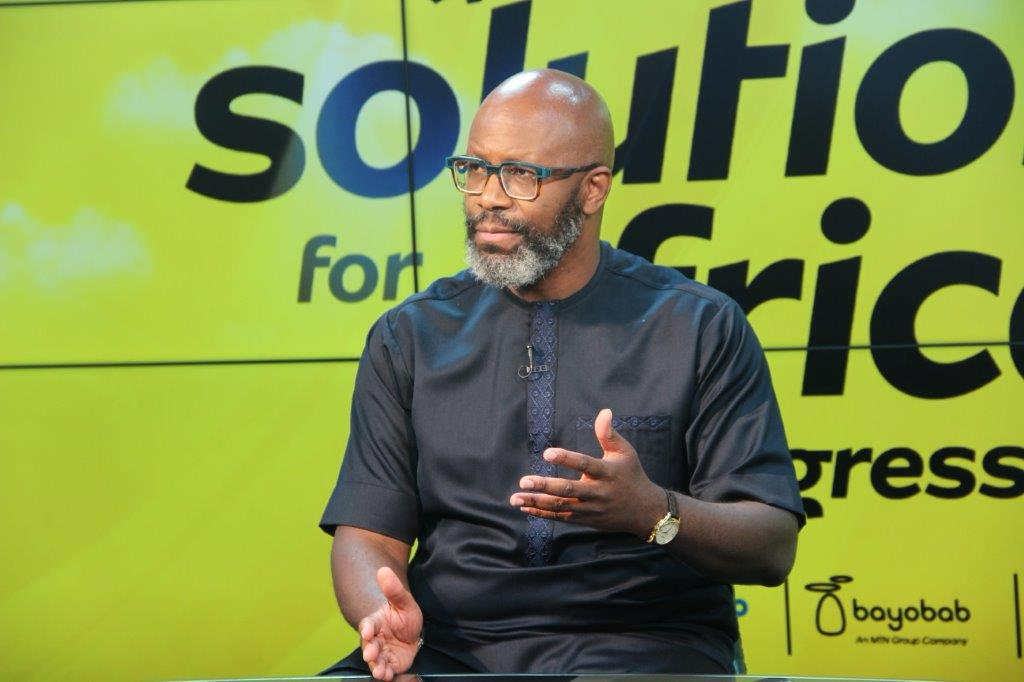
MTN Group, Africa's largest telecommunications operator, is charting a new course into formal banking as it seeks to expand its lending operations beyond traditional mobile money partnerships. CEO Ralph Mupita announced this week that the company is exploring banking licences in select markets, marking an ambitious diversification strategy that could reshape the fintech landscape across the continent, including in Ghana where MTN operates one of its major markets.
The strategic pivot reflects MTN's recognition that the real growth engine for telecom companies in Africa lies not in voice and data, but in financial services. Lending has emerged as the fastest-growing segment within MTN's mobile money operations, and the company is now positioning itself to capture more of this market by moving beyond partnerships with traditional banks and eventually lending directly from its own balance sheet.
The Lending Strategy: Gradual and Selective
Rather than pursuing banking licences across all its operations, MTN's approach will be measured and selective. The company currently provides loans through partnerships with banks, but having its own banking licence would allow it to accept customer deposits—a critical advantage that would fundamentally change its financial services model.
Mupita emphasised that this transition would be gradual, given the regulatory and risk implications involved. MTN will focus on markets with large customer bases and significant wallet floats—essentially countries where millions of customers already hold money in mobile money accounts. This combination creates the ideal conditions for a banking pivot: an existing customer base already comfortable with digital financial transactions and substantial capital pools that could fund lending operations.
Critically, MTN has signalled that obtaining banking licences does not mean abandoning partnership lending entirely. The company will likely maintain a hybrid model, using both its own balance sheet and partnerships to serve customer demand.
Why This Matters for Ghana
For Ghana, this development carries significant implications. MTN Ghana is one of the country's leading telecommunications providers with millions of active customers and a substantial mobile money subscriber base through MTN Mobile Money. If MTN Group secures banking licences in key African markets, Ghana could well be considered a prime candidate—the country has a large, digitally-engaged population and regulatory frameworks increasingly receptive to fintech innovation.
The move would intensify competition in Ghana's lending sector. Currently, access to credit remains challenging for many Ghanaians, with traditional banks requiring collateral and formal employment documentation that many workers cannot provide. A properly regulated MTN banking operation could democratise credit access, particularly for small traders, artisans, and informal sector workers who already use MTN's services.
However, regulators at the Bank of Ghana would need to carefully assess MTN's capital adequacy, risk management systems, and consumer protection mechanisms before granting any banking licence. The potential benefits of expanded credit access must be balanced against systemic financial risks.
Parallel Digital Infrastructure Play
Beyond banking, MTN is simultaneously investing in digital infrastructure through a partnership with a UAE-backed investor to develop AI-enabled data centres across Africa. Initial phases will target South Africa and Nigeria with approximately 150 megawatts of capacity, with MTN holding a minority stake while its partner provides capital and technical expertise.
This dual strategy—pushing into banking while building data centre infrastructure—positions MTN as more than a telecoms operator. The company is becoming a digital ecosystem player, recognising that African growth depends on robust financial infrastructure and computational capacity.
Source: MyJoyOnline


Comments (0)
Be the first to comment.