Minority demands full probe into GH¢22bn gold loss as Afenyo-Markin escalates parliamentary push
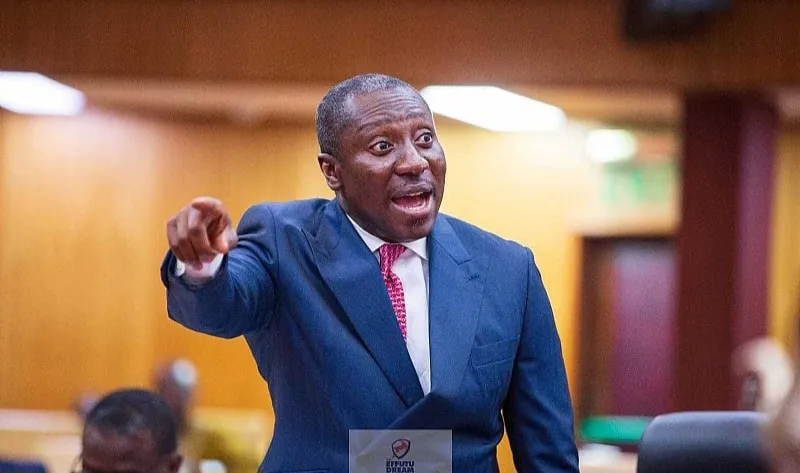
The Parliamentary Minority Caucus is intensifying pressure for a comprehensive investigation into a reported GH¢22 billion (approximately US$1.7 billion) loss linked to the Bank of Ghana's Domestic Gold Purchase Programme, with Minority Leader Alexander Afenyo-Markin pledging to use all available parliamentary mechanisms to uncover the full details of the transaction.
Speaking in a Facebook statement on Saturday, the Effutu Member of Parliament declared that the Minority would not be deterred by institutional disputes over which entity's balance sheet ultimately carries the loss. According to Afenyo-Markin, the fundamental issue is that public money is involved, making the matter a legitimate subject of parliamentary oversight and public accountability.
"Whichever institution's balance sheet carries that figure, it represents public money," Afenyo-Markin stated, emphasising that Ghanaians are entitled to transparency regarding the programme's operations and outcomes.
Key Questions the Minority seeks to Answer
The Minority Caucus has outlined a specific agenda for the proposed inquiry, focusing on several critical areas of the gold trading arrangements. Afenyo-Markin indicated that investigators would seek to identify the off-takers involved in the transactions, examine any discounts applied to gold purchases, and determine who authorised such discounts.
Beyond these immediate transaction details, the Minority wants a full breakdown of how the US$1.7 billion loss materialised. This would include determining how much of the loss stemmed from foreign-exchange differentials, how much resulted from the price differential between the Bank of Ghana's purchase and sale of gold, and what management considerations informed the trading decisions.
- Identities of gold off-takers in the transactions
- Details of discounts applied and their authorisation
- Fees earned from the trading activities
- Breakdown of loss sources including forex exposure
- Decision-making processes behind management actions
Why This Matters for Ghana
The Domestic Gold Purchase Programme was established as a strategic initiative to strengthen Ghana's foreign exchange reserves and support the country's balance of payments position during periods of economic strain. The reported loss of this magnitude raises critical questions about fiscal management, institutional governance, and the oversight of major national assets.
The International Monetary Fund's identification of this loss places it firmly in the public domain and has become part of Ghana's ongoing economic discussions with international creditors. The Minority's push for parliamentary inquiry reflects broader concerns about transparency in how critical financial programmes are managed and monitored. The dispute over whether the loss sits on the Bank of Ghana's or the Ghana Gold Board's balance sheet also highlights potential weaknesses in institutional accountability frameworks.
For ordinary Ghanaians, this investigation is significant because it directly affects public resources that could otherwise be directed toward healthcare, education, infrastructure and other development priorities. The outcome may also influence future decisions about how Ghana manages its gold reserves and engages in domestic commodity trading.
Evidence and Legal Dimensions
Afenyo-Markin has committed to publishing the Minority's sources and evidence in the public record, allowing Ghanaians to independently assess the findings rather than relying solely on political claims or assertions. This approach signals the Minority's intention to ground the inquiry in documented facts and verifiable information.
The Minority Leader also disclosed plans to pursue legal remedies regarding statements he described as defamatory, though he sought to separate this personal matter from the substantive concerns about the gold programme itself. This suggests the political temperature around the issue has risen, with personal disputes now intertwined with policy questions.
The escalating demands for disclosure and investigation are likely to intensify parliamentary scrutiny of the DGPP, with particular focus on pricing mechanisms, off-take agreements, foreign-exchange exposures, fee structures, and the institutional decision-making processes that shaped the programme.
Source: MyJoyOnline



Comments (0)
Be the first to comment.