Bank of Ghana's Gold Purchase Losses Could Force Taxpayers to Fund Recapitalisation, Warns Prof Bokpin

Financial losses from the Bank of Ghana's Domestic Gold Purchase Programme (DGPP) could eventually saddle Ghanaian taxpayers with the burden of recapitalising the central bank, according to leading economist Professor Godfred Bokpin, raising fresh concerns about the sustainability and true cost of the controversial initiative.
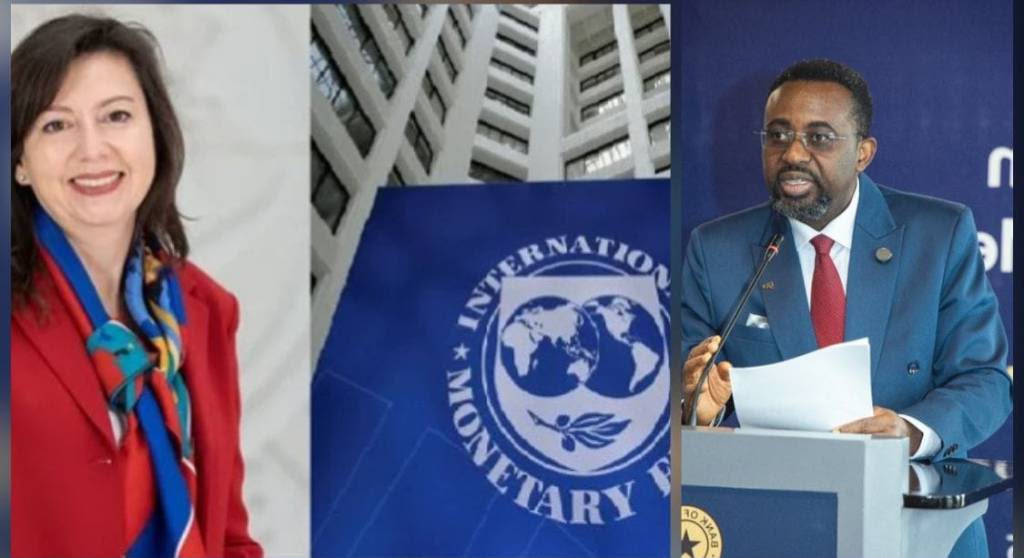
Speaking on Channel One TV this week, Prof. Bokpin emphasised that while the DGPP has achieved some positive outcomes—notably formalising gold-sector activities, reducing smuggling, and boosting foreign exchange inflows—these gains mask a severe hit to the BoG's financial position. An International Monetary Fund assessment reported losses exceeding US$1.7 billion in 2025, equivalent to roughly 1.5% of Ghana's GDP, a figure Prof. Bokpin argues cannot be dismissed as mere "transaction costs."
"These losses are quite huge for us," Prof. Bokpin stated, noting that whilst some observers categorise the shortfalls as accounting entries, they represent real erosion of the Bank of Ghana's equity. This depletion, he warned, creates a direct obligation for the state—funded by taxpayers—to inject capital to restore the central bank's balance sheet to adequate levels.
The Mounting Fiscal Burden
The scale of DGPP-related losses has become a focal point in Ghana's economic and political discourse. The programme, which was established to purchase gold domestically and integrate artisanal and small-scale miners into formal channels, has generated significant debate about whether its benefits justify its financial costs. While formalisation of the gold sector brings legitimate development advantages, the BoG's cumulative losses raise questions about whether alternative policy approaches might have achieved similar results at lower financial risk.
Prof. Bokpin's intervention also highlights a broader institutional problem: the increasing use of the central bank's balance sheet to execute quasi-fiscal activities—functions that arguably belong to the fiscal budget, not the monetary authority. "The way and manner we are systematically sacrificing the balance sheet of Bank of Ghana through quasi-fiscal activities is not helpful," he said, warning that such practices erode the financial independence and credibility of the monetary institution.
Why It Matters for Ghana
The DGPP losses carry several critical implications for Ghana's economy and public finances. First, if the state must eventually recapitalise the BoG, this diverts fiscal resources that could otherwise fund education, healthcare, infrastructure, or debt service. Second, sustained erosion of the central bank's equity weakens its operational independence and capacity to conduct effective monetary policy—a concern for inflation control and exchange-rate stability. Third, the episode underscores a systemic governance challenge: the tendency to use state institutions to achieve social or economic objectives without clear mechanisms to absorb resulting losses.
For ordinary Ghanaians, the prospect of taxpayer-funded recapitalisation represents an indirect subsidy to gold-sector formalisation, raising equity questions about whether the benefits are fairly distributed. The BoG's financial distress could also complicate its regulatory oversight of banks and financial institutions, potentially affecting credit availability and financial system stability.
Prof. Bokpin's warning arrives as policymakers weigh how to address the DGPP's fiscal footprint without abandoning its legitimate development objectives. The debate reflects a fundamental tension in development policy: balancing short-term economic and social gains against long-term institutional sustainability.
Source: MyJoyOnline


Comments (0)
Be the first to comment.