Mining firms must invest in health infrastructure, says Ghana Medical Trust Fund chief
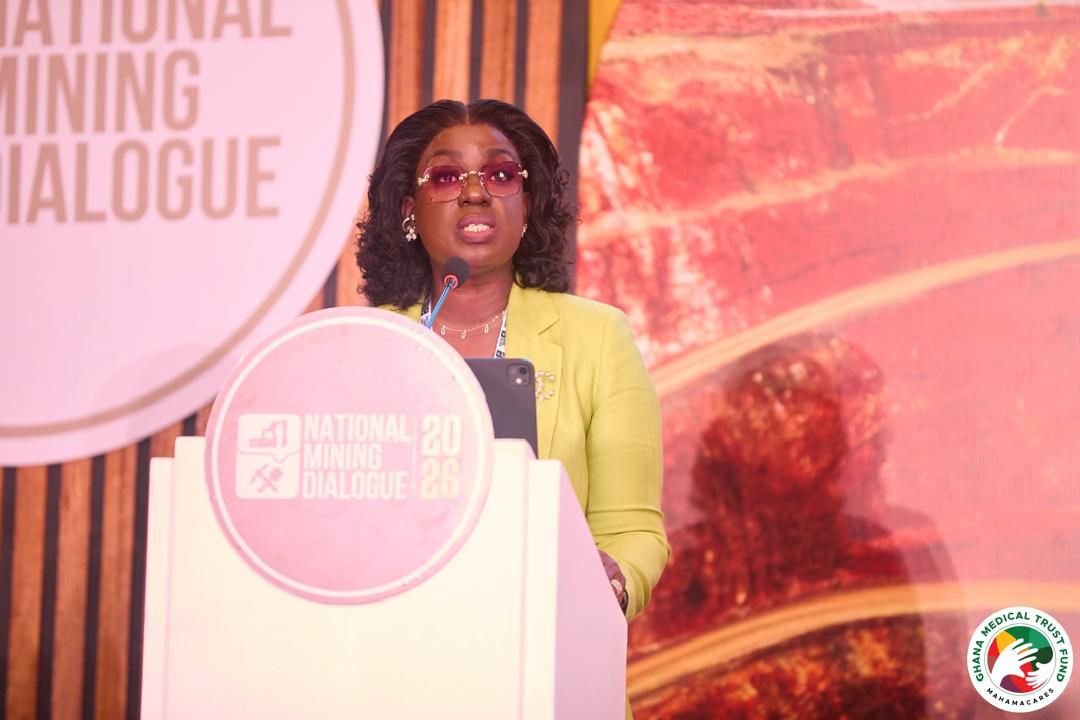
The Administrator of Ghana Medical Trust Fund has called on mining companies operating in Ghana to make substantial investments in health infrastructure and services, arguing that human capital development is as critical to sustainable operations as resource extraction itself.
Speaking at an engagement with industry stakeholders, the administrator emphasised that mining firms should view healthcare investment not merely as corporate social responsibility, but as a fundamental business imperative. The message underscores a growing consensus among Ghana's healthcare and development sectors that extractive industries must contribute meaningfully to the wellbeing of communities hosting their operations.
Why this matters for Ghana
Ghana's mining sector remains one of the largest contributors to the national economy, yet healthcare outcomes in mining communities often lag significantly behind urban centres. The call for increased health investment by mining firms directly addresses a persistent development gap that affects hundreds of thousands of Ghanaians. Healthcare facilities in mining regions frequently lack basic equipment, medicines, and trained personnel, forcing residents to travel long distances for routine medical care.
The Ghana Medical Trust Fund's advocacy signals a shift in how Ghana's health sector engages with corporate entities. Rather than relying solely on government budgets and international aid, the Fund is encouraging the private sector—particularly high-profit industries like mining—to shoulder greater responsibility for healthcare infrastructure. This approach aligns with Ghana's broader development goals under the National Development Plan.
Mining, communities, and health systems
Ghana hosts significant gold, bauxite, and manganese mining operations. While these industries generate substantial tax revenue and foreign exchange, surrounding communities often experience environmental degradation, water contamination, and limited access to quality healthcare. The burden frequently falls on already-stretched public health facilities in rural areas.
The administrator's statement reflects international best practice standards, where mining companies in resource-rich countries are increasingly expected to invest in local health systems. Countries including Zambia, Tanzania, and Botswana have implemented frameworks requiring extractive companies to contribute to healthcare development as a condition of operating licences.
Moving forward
The appeal to mining firms comes at a time when Ghana's health sector faces significant financing challenges. The COVID-19 pandemic exposed vulnerabilities in the public health system, particularly in rural and remote areas where mining operations are concentrated. Attracting corporate investment in these regions could help strengthen disease surveillance, maternal health services, and emergency care capacity.
The Ghana Medical Trust Fund has not specified exact investment targets or timelines, but the message is clear: mining companies with strong profitability must demonstrate commitment to the communities and countries that host their operations. As Ghana seeks to maximise benefits from its natural resources, ensuring that extraction contributes to tangible improvements in human health and wellbeing will be essential to securing social licence to operate and building sustainable, inclusive economic growth.
Source: 3News



Comments (0)
Be the first to comment.