
Ghana hosts AU health summit: Integrated water, sanitation and healthcare approach key to 2030 goals
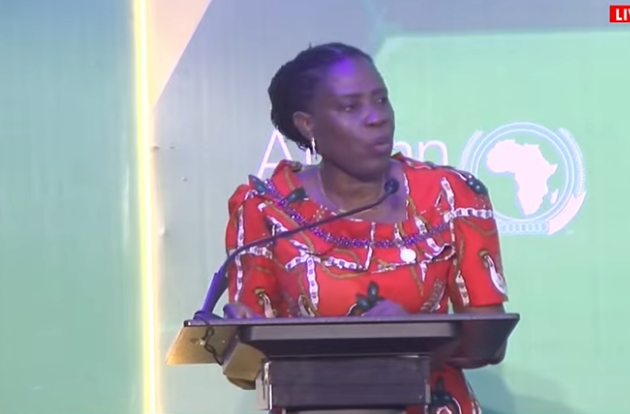

Ghana has become the focal point of continental health policy discussions as the African Union holds an extraordinary health summit in Accra, with top officials calling for a fundamental shift in how African nations tackle healthcare, water access and sanitation challenges. The AU Commissioner for Health, Humanitarian Affairs, and Social Development, Ambassador Amma Twum-Amoah, used the July 21 summit to deliver a stark message: Africa's fragmented approach to these three critical sectors must end if the continent is to meet its 2030 development targets.
At the heart of the commissioner's plea is a simple but often overlooked reality: health, water and sanitation cannot be treated as separate policy domains. A hospital without clean water cannot deliver quality care. A maternity ward without proper sanitation places mothers and newborns at risk. Yet across Africa, these sectors continue to operate in isolation, with different government ministries, budgets and implementation timelines working at cross-purposes.
Why it matters for Ghana
For Ghana, this message carries particular urgency. The country faces ongoing challenges in ensuring universal access to safe water and adequate sanitation, especially in rural areas and urban informal settlements. These deficiencies directly undermine public health outcomes, contributing to preventable diseases and hampering maternal health improvements. By hosting this summit, Ghana has an opportunity to lead by example, demonstrating how integrated planning across health, water and sanitation sectors can drive measurable improvements in citizen wellbeing.
The 2026 AU Theme of the Year under South Africa's chairmanship, which prioritises sustainable water and safe sanitation, aligns with Ghana's own development agenda. Policymakers and development partners working in Ghana should use this continental commitment as a lever to secure better coordination and financing for integrated interventions. Ambassador Twum-Amoah's emphasis on linking these sectors directly addresses bottlenecks that Ghanaian healthcare facilities and communities face daily.
From promises to action: The accountability challenge
Beyond calling for integration, the AU Commissioner issued a forceful challenge to African leaders: stop making new declarations and start implementing existing commitments. With fewer than five years until the 2030 deadline, the time for additional policy frameworks has passed. Instead, African governments must demonstrate what she termed "African ownership" through concrete budgetary allocations, institutional changes and measurable results.
Ambassador Twum-Amoah posed five critical questions that delegates were asked to answer: What will we do differently? Who bears responsibility? How will implementation be financed? How will progress be tracked? How will leaders hold themselves accountable? These questions reflect frustration across the continent with a cycle of summits, declarations and promises that fail to translate into improved health outcomes for ordinary Africans.
Building stronger health systems through collaboration
The commissioner invoked the symbolism of the baobab tree to emphasise that strengthening Africa's health infrastructure requires collective effort. No single nation, ministry or organisation can manage this transformation alone. Success demands coordination between governments, development partners, civil society and health professionals across borders and sectoral lines.
For Ghana specifically, this calls for urgent cross-ministerial dialogue between health, water resources, sanitation and local government authorities. District assemblies must ensure that health facility planning aligns with water and sanitation investments. Budget cycles need synchronisation so that clinics, boreholes and sanitation projects are developed as complementary components of a unified health system rather than competing priorities.
The summit in Accra sends a clear signal: Africa recognises the problem and the solution. What remains to be seen is whether African leaders and Ghanaian policymakers will translate rhetoric into the sustained, coordinated action that citizens desperately need.
Source: MyJoyOnline



Comments (0)
Be the first to comment.