
AU Health Chief Calls on African Leaders to Translate Health Pledges into Real Action


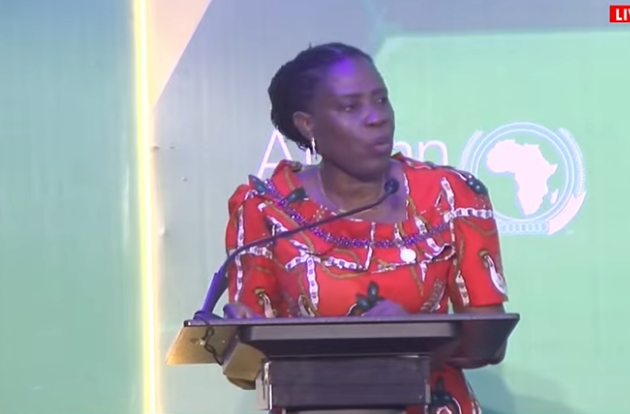
The African Union's Commissioner for Health has issued a pointed challenge to Africa's political leadership: stop making promises and start delivering results. At an Extraordinary Ministerial Meeting held in Accra on July 21, Commissioner Cessouma emphasised that while the continent has made measurable headway against major killers like HIV, tuberculosis, malaria and maternal mortality, the gap between what leaders declare and what they actually implement remains dangerously wide.
The stark message—move from declarations to delivery—cuts to the heart of a persistent frustration across African health systems: ambitious targets announced at summits often fail to translate into resources, policy changes and ground-level improvements that save lives.
Progress Made, But Implementation Gaps Remain
Commissioner Cessouma's remarks acknowledged genuine achievements. Africa has indeed reduced the burden of several major diseases over recent decades through sustained effort and international partnerships. HIV treatment programmes have expanded, TB detection and cure rates have improved in many countries, malaria prevention campaigns have saved millions of children, and some nations have dramatically lowered maternal death rates.
Yet these successes are unevenly distributed across the continent. Some countries lead whilst others lag far behind, often because pledges made at international forums never materialise into funded programmes, trained health workers or accessible medicines at community level.
Why It Matters for Ghana
Ghana, as the host nation for this ministerial meeting, is positioned at the centre of this conversation. The country has made its own commitments to health improvements—particularly in maternal and child health, disease surveillance and pandemic preparedness—yet faces real constraints in turning those pledges into universal coverage and equitable service delivery.
For ordinary Ghanaians, the AU commissioner's call is deeply practical. It means the difference between a health facility that exists on paper and one that is adequately staffed and supplied. It means maternal health programmes that reach rural communities, not just urban centres. It means TB and malaria treatments that are actually available at health posts when people need them.
The Ghanaian government and other African nations must now demonstrate whether they will heed this call. That requires not just political will but sustained budget allocation, transparency in how funds are used, and accountability when targets are missed. Ghana's own health sector, which has made progress but faces persistent funding and human resource challenges, exemplifies the gap between declaration and delivery that the AU commissioner is targeting.
What Comes Next
The real test of the Accra meeting will be whether it produces concrete mechanisms—not more declarations. African leaders need to agree on specific, measurable actions with clear timelines and oversight. This could include:
- Dedicated domestic financing commitments backed by budget lines
- Regional accountability frameworks to track implementation
- Technology transfer and capacity-building to strengthen health systems
- Transparent reporting on progress against stated goals
For Ghana and the wider continent, this moment represents a choice. The health challenges are known. The solutions exist. What has been missing is the disciplined follow-through that turns political promises into healthier populations.
Source: 3News


Comments (0)
Be the first to comment.