Manhyia North MP Accuses Government of Abandoning Fight Against Galamsey in Ghana

The Member of Parliament for Manhyia North has levelled serious accusations against the government, arguing that there is no meaningful enforcement action being taken against illegal mining activities across Ghana. Speaking out against what he describes as a complete absence of governmental effort, the legislator questioned where any substantive fight against galamsey operations actually exists in the country.
The MP's stark criticism reflects growing frustration among lawmakers and civil society regarding the persistence of illegal mining, despite repeated governmental pledges to crack down on the practice. His remarks underscore a wider concern that enforcement mechanisms remain weak, even as galamsey operations continue to devastate mining communities and contaminate water resources.
The Scale of Ghana's Galamsey Problem
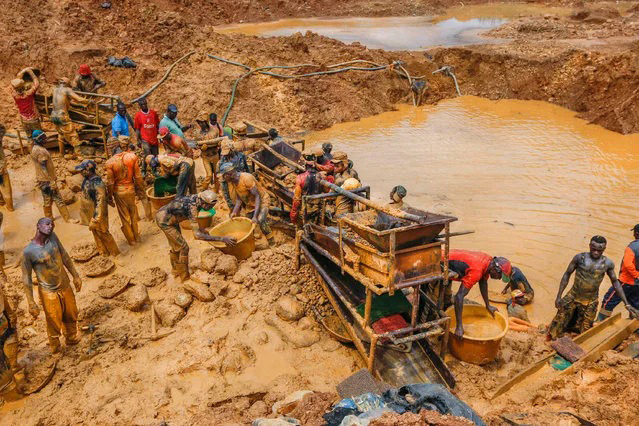
Illegal mining, locally known as galamsey, has become one of Ghana's most persistent environmental and social challenges. The practice involves unregulated extraction of minerals, primarily gold and other valuable minerals, often using dangerous chemicals and methods that cause severe environmental damage. Over the past decade, galamsey operations have expanded significantly in regions including Ashanti, Eastern, and Western regions, with reported incidents of armed gangs controlling mining sites and engaging in territorial conflicts.
The environmental toll has been documented extensively, with contaminated water sources affecting communities, destroyed farmland, and degraded ecosystems reported across affected areas. Beyond environmental concerns, galamsey has been linked to organised crime, money laundering, and the infiltration of armed groups into mining communities.
Why This Matters for Ghana
The Manhyia North MP's allegations highlight a critical gap between government rhetoric and ground-level reality. If enforcement truly is as lax as suggested, it raises fundamental questions about governmental capacity, political will, and resource allocation towards tackling galamsey.
- Economic impact: Illegal mining undermines Ghana's formal mining sector and diverts revenue from the state
- Public health crisis: Mercury and cyanide contamination from galamsey affects drinking water and food security for thousands
- Institutional credibility: Public perception of weak enforcement erodes trust in state institutions and the rule of law
- Electoral significance: Mining constituencies increasingly view galamsey control as a litmus test for governmental effectiveness
Previous administrations have announced task forces and enforcement operations with varying degrees of success. The most recent government has similarly committed to tackling the menace, but street-level evidence—including reports of illegal mining continuing in broad daylight near major towns—suggests implementation remains severely challenged.
The Manhyia North legislator's comments are likely to intensify parliamentary scrutiny of the Executive's mining enforcement strategy. Civil society organisations and affected communities are increasingly vocal about demanding concrete results, not promises.
Source: 3News

Comments (0)
Be the first to comment.