Security experts warn galamsey crisis could become extremist recruitment ground, call for emergency measures
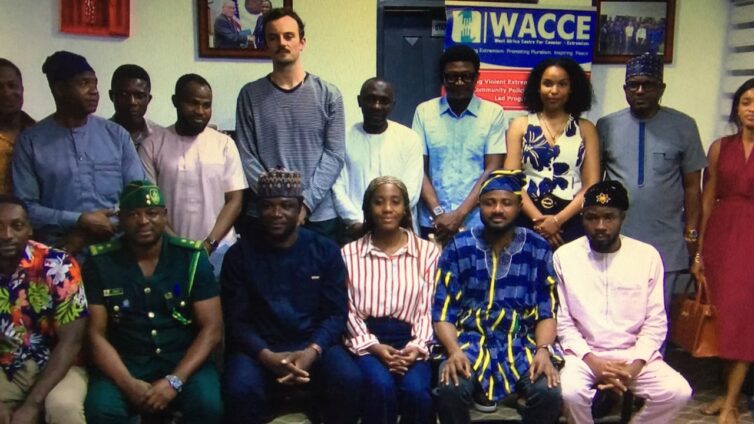
Security experts have raised fresh alarm about illegal mining operations in Ghana, arguing that the galamsey crisis extends far beyond environmental and economic damage to pose a direct threat to national security. At a 9/11 Memorial Security Dialogue in Accra, analysts warned that ungoverned mining zones could become breeding grounds for extremist recruitment and militant activity.
The Executive Director of the West Africa Centre for Counter-Extremism (WACCE), Mutaru Mumuni Muqthar, stated that galamsey-affected areas create security vacuums vulnerable to exploitation. He pointed to overlapping crises—illegal mining and ethnic tensions—as weaknesses that extremist groups actively seek out when establishing footholds in countries. Mr Muqthar called for government to escalate its response beyond current enforcement efforts, arguing that the scale of the galamsey problem demands declaration of a state of emergency in the most affected regions.
The security dimension: beyond environmental damage
While galamsey has long been recognised as an environmental catastrophe poisoning water sources and destroying farmland, security analysts now argue the threat runs deeper. Ungoverned mining zones create lawless spaces where state authority is weak or absent—precisely the conditions extremist organisations exploit to establish networks, recruit members, and plan operations. The parallel challenge of ethnic tensions in some regions compounds this vulnerability.
Mr Muqthar's framing is significant: he positioned galamsey not as a separate crisis from national security but as a direct security threat requiring coordinated, high-level government response. This perspective broadens the coalition of voices demanding action, bringing security and defence establishments into conversations traditionally dominated by environmental activists and small-scale miners.
Why it matters for Ghana
Ghana faces overlapping security pressures. The Sahel region to the north has seen expanding militant activity in neighbouring Burkina Faso and Mali. Domestically, illegal mining generates vast untracked wealth that fuels corruption, weapons trafficking, and organised crime. The combination—weak enforcement in mining zones plus militant recruitment pathways—creates a compound threat.
Additionally, security experts argue that current government responses have failed to contain galamsey. Despite numerous campaigns and arrests, illegal mining persists and reportedly expands into new areas. A state of emergency approach could theoretically enable faster intervention, stricter enforcement, and temporary restrictions on movement or activity in designated zones—though such measures would be controversial and require clear legal frameworks.
Civil society's role in security planning
At the same dialogue, Adib Saani, Executive Director of the Jatikay Centre for Human Security and Peace Building, made a complementary argument: Ghana's security challenges cannot be solved by uniformed services alone. He urged greater collaboration between the National Security Secretariat and civil society organisations (CSOs), arguing that grassroots groups have credibility and access to communities that government agencies often lack.
Saani suggested that implementation of security programmes without CSO input has previously failed, and that closer partnership could improve both intelligence gathering and community buy-in for national security initiatives. This reflects a growing international recognition that effective security responses require whole-of-society approaches rather than state-only strategies.
The calls signal a broadening security consensus among Ghana's think tanks and policy circles: galamsey demands urgent, elevated government action and multi-stakeholder coordination.
Source: The Ghana Report



Comments (0)
Be the first to comment.