
Atewa Forest faces critical threat as illegal mining surges, warns conservation group


Ghana's Atewa Forest Reserve is under an intensifying assault from illegal mining operations, with conservation experts warning that the forest could be irreversibly damaged or lost entirely before the current government completes its term in office. Deputy National Director of A Rocha Ghana, Daryl Bosu, has sounded the alarm over what he describes as unprecedented galamsey activity threatening one of West Africa's most biodiverse ecosystems.
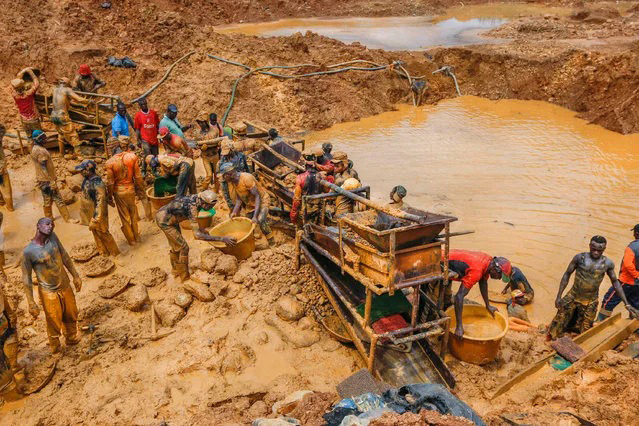
The Atewa Forest, located in the Eastern Region, is recognised internationally as a critical biodiversity hotspot and a vital water source for millions of Ghanaians. Despite its protected status as a forest reserve, illegal small-scale mining operations have intensified dramatically, with mining equipment and activity visible across the reserve's landscape.
Why it matters for Ghana
Atewa is not merely a forest—it is foundational to Ghana's environmental and economic wellbeing. The reserve supplies water to major urban centres and supports rare species found nowhere else on Earth. Its destruction would have cascading consequences: water insecurity for downstream communities, loss of globally significant biodiversity, soil erosion, and the collapse of ecosystems that regulate local climate patterns. The forest also holds cultural significance for surrounding communities who depend on it for their livelihoods.
The scale and speed of the galamsey threat represents a fundamental challenge to Ghana's environmental governance. Unlike organised illegal logging operations that can sometimes be detected and halted, small-scale mining is dispersed and difficult to police, particularly in remote forest areas where state presence is limited.
The illegal mining crisis deepening
Galamsey operations typically involve the use of heavy machinery and chemicals, including mercury, which poison waterways and destroy forest soils. The visible acceleration of these activities in Atewa suggests either inadequate enforcement of existing regulations, insufficient resources for forest protection, or coordinated efforts to exploit the reserve before heightened scrutiny can be deployed.
The warning from A Rocha Ghana carries weight given the organisation's long-standing presence in environmental conservation and monitoring across Ghana. The timeline cited—completion of the current government's term—suggests that without intervention within months rather than years, the damage could become permanent.
What needs to happen now
Addressing the Atewa crisis requires simultaneous action across multiple fronts:
- Immediate deployment of forest protection patrols and enforcement teams to Atewa with sustained funding and political backing
- Investigation into the sources and networks enabling galamsey operations, including supply chains for equipment and buyers of extracted minerals
- Support for alternative livelihoods in surrounding communities to reduce economic pressure on illegal mining
- Transparent communication from government on specific measures being taken and timelines for implementation
The urgency cannot be overstated. Unlike some environmental issues that unfold over decades, forest destruction through intensive mining can render an ecosystem unrecoverable within months. Ghana has faced international criticism over environmental stewardship in recent years, and the loss of Atewa would represent a watershed moment—both literally and symbolically—in the nation's relationship with its natural heritage.
Citizens, civil society organisations, and international partners are watching closely to see whether Ghana's government treats this warning as a clarion call or allows it to fade into the background of competing pressures.
Source: 3News



Comments (0)
Be the first to comment.