Galamsey crisis now a security threat: WACCE calls for emergency declaration
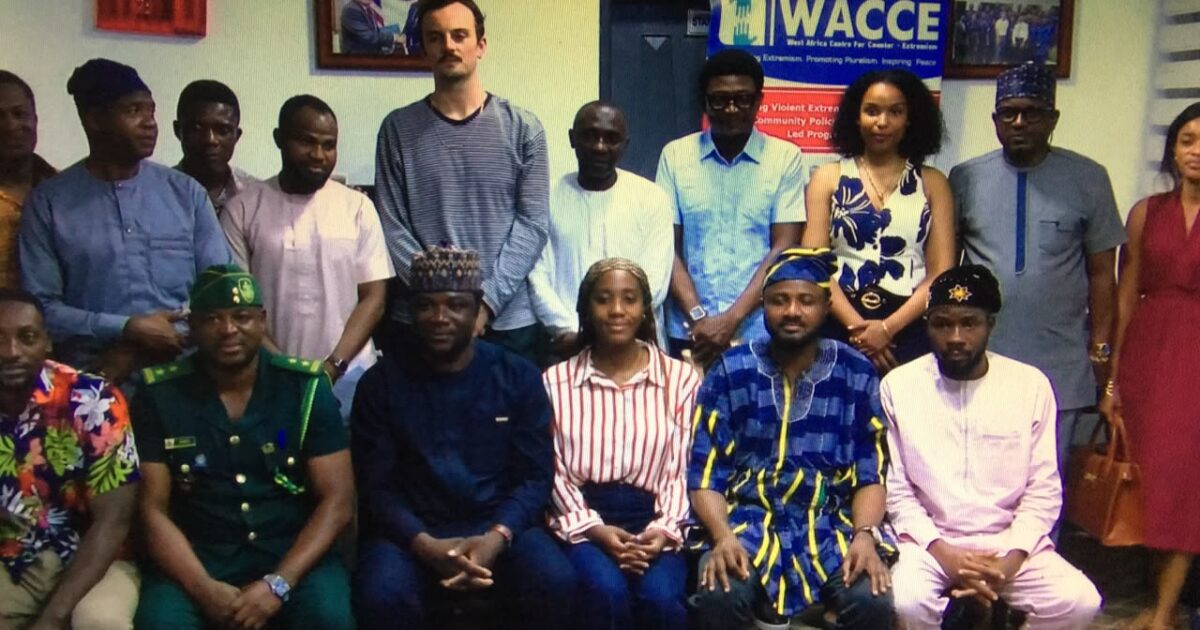
Ghana's illegal mining crisis has escalated beyond environmental and economic concerns to become a direct national security threat, according to security analysts speaking at a 9/11 memorial dialogue in Accra. The West Africa Centre for Counter-Extremism (WACCE) is now urging the government to declare a state of emergency in galamsey-affected areas, arguing that the uncontrolled practice creates spaces where extremist groups can establish footholds.
Mutaru Mumuni Muqthar, WACCE's Executive Director, warned that galamsey operations have generated the kind of lawlessness and social breakdown that terrorist and extremist organisations deliberately seek out. He described the situation as creating "ungoverned spaces" where weak law enforcement opens the door for non-state actors to gain influence and operational freedom.
The security dimension of galamsey
While galamsey has long been recognised as an environmental disaster—destroying water bodies, agricultural land and communities—and an economic problem through revenue loss, the security angle presents a new and alarming dimension. According to security experts at the dialogue, extremist groups do not randomly choose locations; they identify areas where state authority is weak, local grievances run deep, and residents feel abandoned by government.
Galamsey-affected communities fit this profile perfectly. Years of environmental degradation, health hazards, conflict between miners and residents, and minimal state intervention have created pockets of frustration and resentment. These conditions can be weaponised by groups seeking to recruit, radicalise, or establish supply chains and safe havens.
Muqthar argued that declaring a state of emergency would signal the seriousness with which government treats the issue and justify the deployment of resources and enforcement mechanisms on an unprecedented scale. He emphasised that "business as usual" approaches have repeatedly failed to curb galamsey.
Why it matters for Ghana
Ghana faces a multi-layered security challenge. The country has experienced spillover effects from conflicts in neighbouring Burkina Faso and Mali, with extremist groups gradually expanding their reach southward. At the same time, internal vulnerabilities—weak governance in remote areas, youth unemployment, and community grievances—create recruitment pipelines.
If galamsey-affected regions become nodes in extremist networks, the problem compounds dramatically. Ghana would face not only environmental and health crises but also active insurgency. The Sahel's experience shows how quickly ungoverned spaces can transform into conflict zones.
Civil society's role in security
Adib Saani of the Jatikay Centre for Human Security and Peace Building raised a complementary point: security solutions cannot succeed without civil society organisations (CSOs). He argued that CSOs, through their daily engagement with communities, often detect emerging threats and grievances before state security agencies and enjoy greater trust among residents.
Saani called for the National Security Secretariat to institutionalise collaboration with CSOs in designing and implementing security programmes. He warned that top-down security initiatives without community buy-in have historically failed in Ghana and elsewhere.
This dual emphasis—emergency-level government action combined with genuine partnership with civil society—reflects a growing consensus among security analysts that addressing Ghana's interconnected challenges requires coordination across state and non-state actors.
Source: MyJoyOnline



Comments (0)
Be the first to comment.