Mahama commits GH₵1bn to housing crisis: government launches GH₵3bn revolving fund for affordable homes

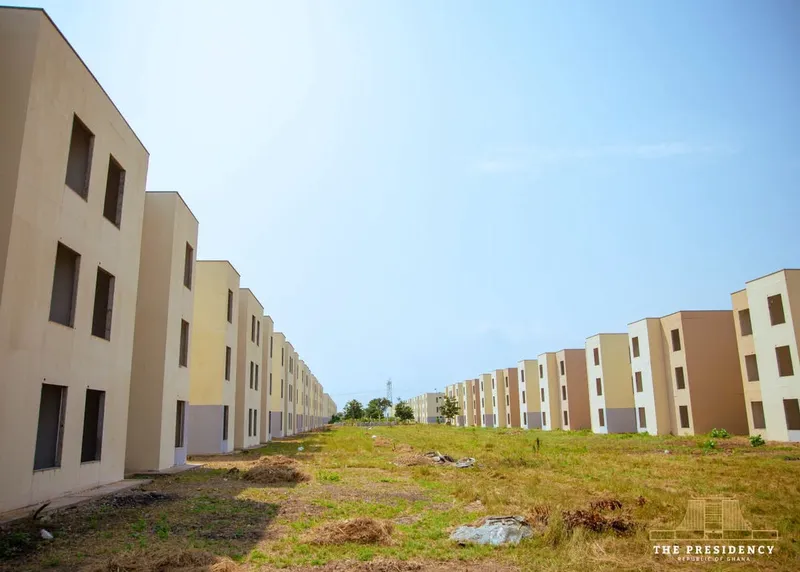
President John Dramani Mahama has directed Ghana's Finance Minister to earmark GH₵1 billion in the 2027 national budget as the government's contribution to a GH₵3 billion revolving National Housing Fund—a significant move aimed at addressing the country's persistent housing deficit and making homeownership more accessible to ordinary Ghanaians.
The announcement signals the administration's commitment to tackling one of Ghana's most pressing socioeconomic challenges. With an estimated housing deficit running into millions of units, many Ghanaians struggle to afford quality, secure accommodation. The revolving fund model allows money allocated for housing loans to be repaid and recycled, potentially creating a sustainable mechanism for long-term housing finance beyond the initial government injection.
How the fund will work
A revolving National Housing Fund operates by disbursing loans to eligible Ghanaians for home construction and purchase, with repayments fed back into the fund to support additional beneficiaries. This structure differs from traditional government spending, as the capital theoretically perpetuates itself. The GH₵1 billion government contribution represents the public sector's seed investment, with the remaining GH₵2 billion expected to come from other sources—likely including private sector participation, multilateral development partners, or worker contributions through pension schemes.
The 2027 budget allocation indicates this initiative will move beyond planning into concrete implementation. Mahama's government will need to establish clear eligibility criteria, interest rate frameworks, and administrative structures to ensure the fund reaches intended beneficiaries—particularly middle and lower-income Ghanaians who currently face prohibitive housing costs.
Why it matters for Ghana
Ghana's housing crisis is not merely a comfort issue—it is an economic and social imperative. Rapid urbanisation, particularly in Accra, Kumasi and other major cities, has created severe accommodation shortages. High construction costs, limited access to affordable credit, and prohibitive down payments lock most Ghanaians out of formal housing markets, forcing many into overcrowded informal settlements with inadequate infrastructure.
A functional National Housing Fund could catalyse several positive outcomes. First, it would increase homeownership rates, which strengthens family stability and allows households to build equity rather than paying perpetual rent. Second, housing construction is labour-intensive, potentially creating thousands of direct and indirect jobs across the construction, materials, and related sectors. Third, improved housing stock enhances public health by reducing disease transmission in overcrowded slums and strengthens productivity when workers live in secure, dignified conditions.
However, the success of this initiative will depend heavily on implementation. Previous housing schemes in Ghana have encountered challenges including slow fund disbursement, bureaucratic delays, and limited reach beyond urban centres. Transparency in loan allocation, competitive interest rates, and accessible application processes will be critical to ensuring this GH₵3 billion fund actually delivers homes to Ghanaians rather than becoming another underutilised government programme.
The 2027 budget allocation also reflects shifting government priorities post-election, signalling that housing policy will feature prominently in the administration's development agenda. Citizens and civil society organisations will likely scrutinise how these funds are managed and whether they translate into visible housing delivery across the country.
Source: 3News


Comments (0)
Be the first to comment.