Ghana's Housing Crisis: Sentuo Airport Garden City Project Signals Shift to High-Density Development
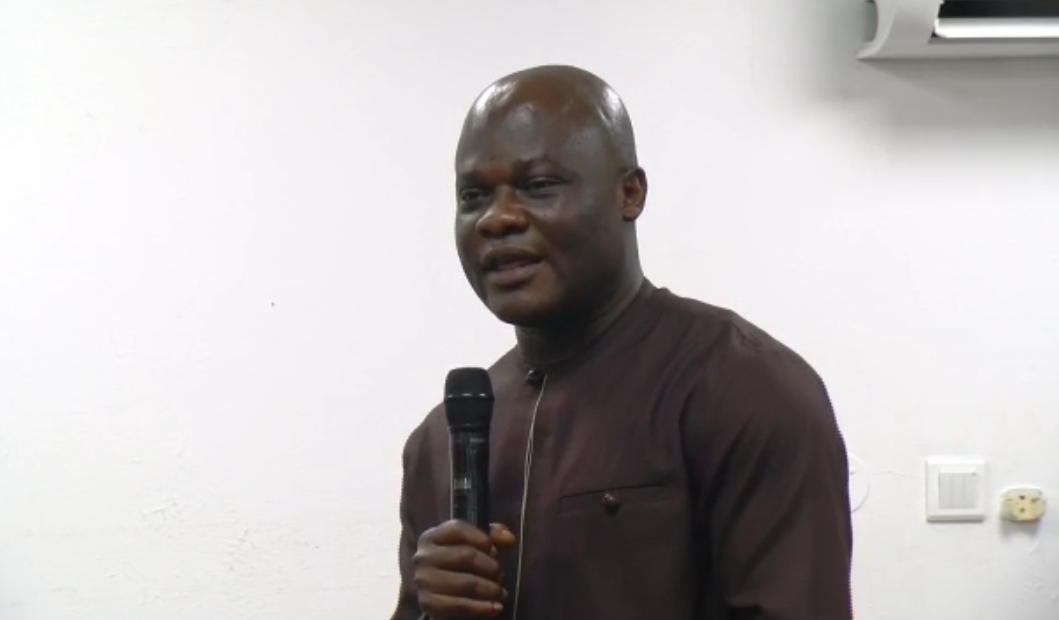
Ghana's acute housing shortage is receiving renewed attention as the government doubles down on attracting private investment to bridge the gap. Housing Minister Ahmed Ibrahim has highlighted the Sentuo Airport Garden City project—unveiled in Accra this week—as a prime example of the kind of large-scale development needed to make a meaningful dent in the country's housing crisis.
The scale of the challenge is stark. Ghana faces a housing deficit of approximately 1.8 million units, a figure captured in the 2020 Population and Housing Census. With the country's population continuing to grow, experts expect this shortfall to have widened considerably since then. For context, this means millions of Ghanaians lack adequate housing, contributing to informal settlements, overcrowding, and pressure on urban infrastructure across major cities.
The Sentuo Project and Urban Densification Strategy
The Sentuo Airport Garden City development represents a shift in thinking about how Ghana can address its housing needs within physical constraints. Rather than endless urban sprawl into surrounding farmland and villages, the Minister advocated for vertical growth—building upwards rather than outwards. This approach is critical given Ghana's limited land resources and the rapid expansion of Accra already stretching municipal services.
By embracing high-density, modern residential developments, Ghana can house more people efficiently whilst preserving agricultural land and reducing infrastructure strain. The Sentuo project exemplifies this model, and the government appears keen to use it as a template for future investments. Mr Ibrahim specifically commended the Sentuo Group's Executive Chairman and team for their commitment to housing development, signalling government support for similar private-sector initiatives.
Why It Matters for Ghana
The housing deficit is not merely a real-estate issue—it affects Ghana's broader development trajectory. Inadequate housing constrains productivity, worsens urban poverty, and places enormous pressure on public services from water and sanitation to transportation. Young professionals and families struggle to find affordable homes, pushing many into informal settlements with poor conditions and limited legal protections.
Solving this requires scale that government alone cannot achieve. The Minister emphasised that public-private collaboration is essential, with private developers like Sentuo taking the lead whilst government provides enabling policy and infrastructure. The ambitious target of reducing the deficit from 1.8 million units to below one million within coming years—whilst aspirational—signals serious intent to unlock housing as a driver of economic growth and improved living standards.
The government's partnership approach also reflects lessons from regional peers. Countries tackling similar deficits have succeeded partly through incentivising private developers with stable policy environments, land access, and predictable regulatory frameworks. Ghana's invitation to investors to view the country as an attractive destination for housing projects suggests movement in this direction.
Broader Implications
For ordinary Ghanaians, projects like Sentuo represent hope that housing—currently unaffordable for many—might gradually become more accessible. For investors and developers, the government's vocal support signals a receptive environment for large-scale residential projects. For policymakers, the focus on densification offers a template for future urban planning that balances growth with sustainability.
However, success will depend on execution. Projects must deliver on promised unit numbers, afford prices that middle-income Ghanaians can realistically access, and include adequate community infrastructure. Public scrutiny of such developments is warranted to ensure they genuinely serve the housing deficit rather than catering solely to luxury segments.
The Sentuo project's unveiling marks a milestone in Ghana's recognition that housing is a national priority requiring coordinated action across government and the private sector.
Source: MyJoyOnline




Comments (0)
Be the first to comment.