Libya's largest oil refinery ablaze after drone strike; what it means for African energy security
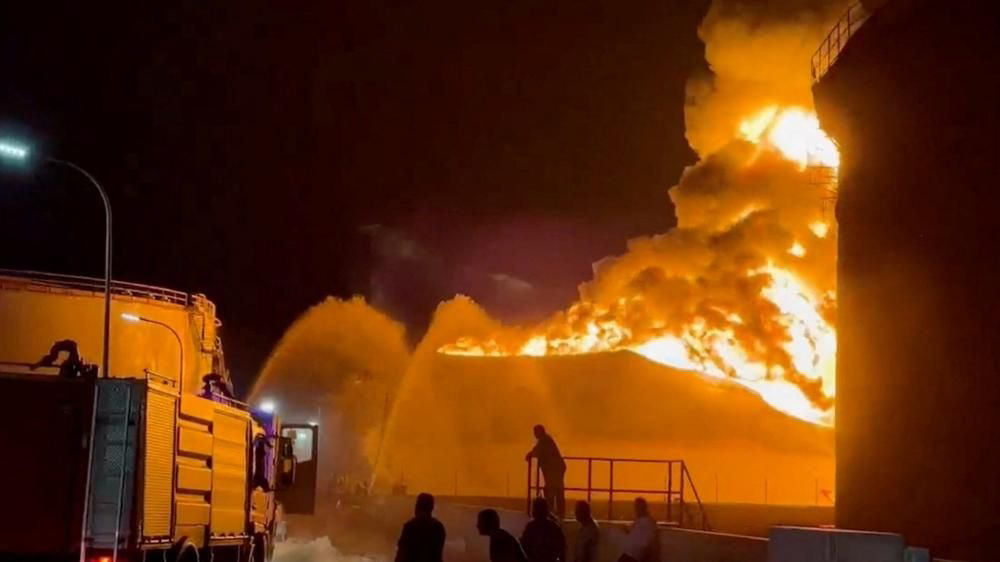
Libya's biggest operational oil refinery has become the latest target of coordinated drone strikes, with emergency services struggling to contain a massive fire at the Zawiya facility west of Tripoli on Monday evening. The attack marked the third such incident in as many days, raising fresh concerns about the stability of one of Africa's most critical energy infrastructure assets.
The National Oil Corporation reported that a storage tank holding approximately 4.5 million litres of fuel was hit directly, causing the tank to collapse and triggering an enormous blaze. While Libya's Ambulance and Emergency Service confirmed there were no serious injuries—with most patients treated for smoke inhalation—the damage to Africa's energy supply chain is significant. The Zawiya refinery produces 120,000 barrels per day and represents the continent's largest functioning oil processing facility.
Escalating violence threatens continental oil supplies
The Monday attack followed two earlier drone strikes on the same facility within 48 hours, including hits on a naphtha reservoir and water desalination plant. The repeated nature of the strikes suggests a coordinated campaign rather than isolated incidents, though authorities have not publicly identified those responsible. The NOC has warned it may be forced to suspend operations entirely if the attacks persist, a development that would have ripple effects across global energy markets and African economies dependent on Libyan oil exports.
The targeting of critical energy infrastructure during Libya's ongoing political crisis reflects the country's deep instability. Since the 2011 overthrow and death of Muammar Gaddafi—who had ruled for four decades—Libya has fractured into competing power centres. The internationally recognised government led by Prime Minister Abdulhamid Dbeibah controls the capital and western regions, while military commander Khalifa Haftar commands forces in the eastern part of the country. This division has created a power vacuum exploited by various armed groups, some of which may be using attacks on infrastructure as a pressure tactic.
Why it matters for Ghana and Africa
For Ghana and other African nations, Libya's energy crisis carries direct implications. Libya remains one of the continent's largest oil producers, and sustained disruptions to Zawiya or other facilities could tighten global oil supplies and push prices higher—affecting fuel costs, transportation, and electricity generation across West Africa. Ghana, which imports petroleum products and relies on stable global energy markets for its own energy security and economic planning, faces potential price pressures if Libyan production is severely curtailed.
Beyond immediate energy concerns, the targeting of critical civilian infrastructure underscores the broader challenge of political instability in Libya affecting regional security. West African nations, particularly those in ECOWAS, have expressed concerns about spillover effects from Libya's conflict, including weapons proliferation and militant activity. Any further deterioration could intensify migration pressures and security challenges across the Sahel and Gulf of Guinea regions where Ghana operates.
The road ahead
The NOC's call for authorities to investigate who orchestrated the attacks suggests uncertainty about the perpetrators' identity—a telling indicator of the lawlessness affecting Libya's institutions. Without swift international mediation and a genuine political settlement between the rival power centres, attacks on economic infrastructure are likely to continue. For Africa as a whole, the Zawiya crisis is a reminder that political solutions in fragile states are not merely political matters—they carry real economic and humanitarian consequences across the continent.
Source: The Ghana Report


-1200x800.webp)
Comments (0)
Be the first to comment.