South African Police Deputy Commissioner Charged With Sexual Offences; Inquiry Reveals Corruption Allegations
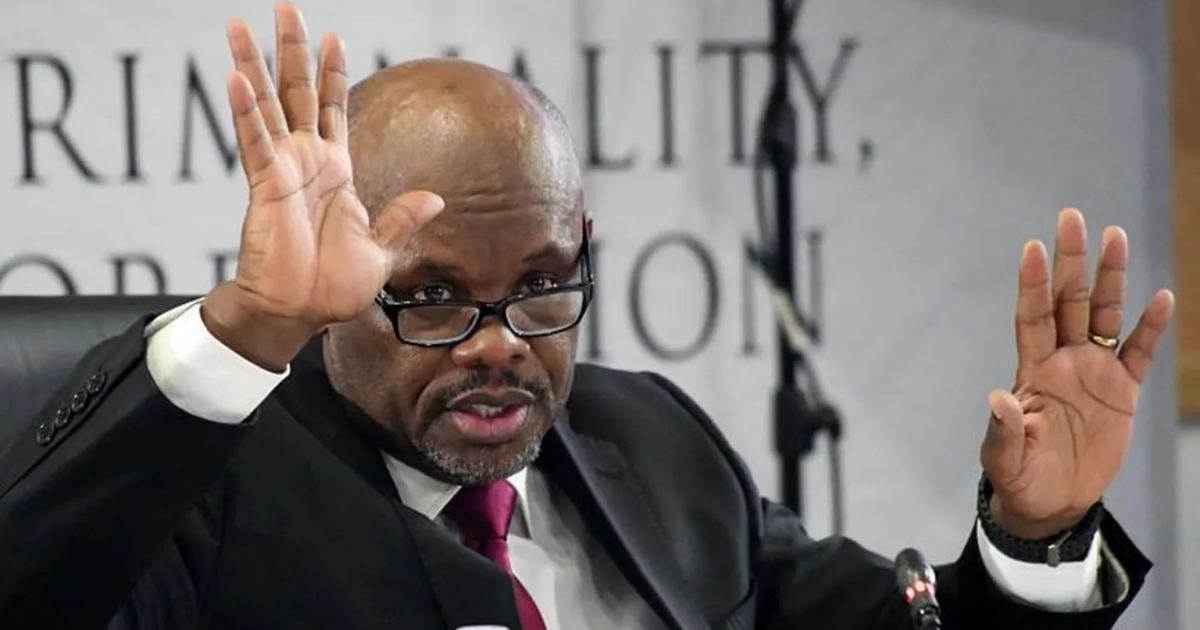
One of South Africa's most senior police officers, Lieutenant General Shadrack Sibiya, has been charged with multiple sexual offences following a court appearance north-west of Johannesburg. The 59-year-old suspended deputy police commissioner faces allegations of sexually grooming a 16-year-old girl, raping an 18-year-old woman, and human trafficking—charges that could implicate additional suspects in the investigation.
Sibiya was detained on Monday and made no statement during his brief court appearance. He is scheduled to return to court on 29 September for a bail application, with prosecutors indicating they will oppose his release. The state has also requested that authorities transfer Sibiya to a different facility, citing intelligence suggesting a potential escape plan.
The Broader Corruption Context
The charges emerge at a critical moment for South Africa's police service, which is already facing intense scrutiny through a major public inquiry. The Madlanga Commission, which began in September of last year, has been examining allegations of widespread corruption and collusion between police officials and criminal organisations.
During these proceedings, Sibiya faced separate accusations that he received a gift of 20 impalas from an alleged criminal kingpin in exchange for awarding a lucrative police contract. He has denied this allegation, but the claim underscores the broader pattern of misconduct allegations plaguing the police service at senior levels.
Why It Matters for Ghana
The Sibiya case reflects institutional challenges that resonate across Africa's law enforcement agencies. Ghana's own police service and security sector have faced periodic scrutiny regarding corruption, discipline, and accountability within the ranks. The South African situation demonstrates the critical importance of independent oversight mechanisms, robust internal investigations, and transparent judicial processes in holding senior security officials accountable—lessons relevant to maintaining public trust in Ghana's institutions.
The trafficking charge is particularly significant, as it suggests the alleged crimes may extend beyond individual misconduct to an organised criminal network. Such cases often reveal systemic vulnerabilities in how institutions manage complaints and prevent abuse of power. For Ghana, the case underscores the need for strengthened complaint mechanisms within security agencies and stronger cooperation between police, prosecutors, and the judiciary.
Furthermore, the apparent conflict between Sibiya's high office and serious criminal charges highlights a recurring challenge across the continent: ensuring that rank and connections do not shield senior officials from justice. South Africa's willingness to charge and prosecute such figures—despite their position—offers a comparative reference point for how African democracies can reinforce the rule of law.
The case is expected to continue drawing international attention, particularly given the Madlanga Commission's parallel investigation into police corruption. The outcome will likely influence broader reform discussions within South Africa's security sector and may prompt similar reviews of accountability structures elsewhere in the region.
Source: MyJoyOnline
-1200x800.webp)
Comments (0)
Be the first to comment.