South Africa's Ekurhuleni killings: 12 women dead in two months as serial killer fears grow
South Africa is grappling with a chilling crisis as police confirm the deaths of 12 women discovered in Ekurhuleni, an area east of Johannesburg, over a two-month period beginning in July 2026. The grim discovery of three additional bodies between Saturday and Monday has intensified fears of a serial killer operating in the region, though authorities have only made arrests in three cases so far.
The Victims and the Pattern
The victims range in age from their 20s to late 30s. Common characteristics in many cases include bodies found partially or fully naked, bearing signs of severe trauma including bruising, cable ties, and in at least one instance, evidence suggesting the victim was stoned to death. The first victim, Busisiwe Mahlangu, 37, was discovered on 15 July with her hands bound by cable ties. Her partner was arrested but remains unlinked to subsequent deaths. Among the identified victims are Itumeleng Kekana, 32, a young mother found badly bruised on a bridge; Gracious Nkomo, 28, discovered near South Africa's busiest airport; and Dineo Motapane, 38, whose partially burned body was found on a roadside in Springs, leaving behind a young child.
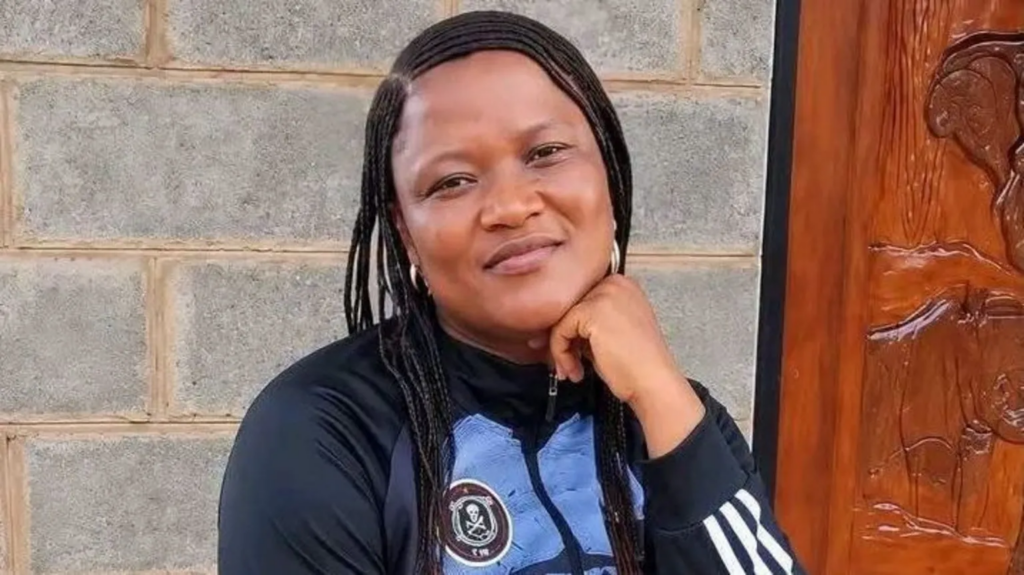
The case that galvanised national attention involved Elizabeth Moselakgomo, 38, who disappeared during her daily run near her Kempton Park home. Her badly bruised body was found on 12 September, sparking widespread alarm and a nationwide search narrative. Another case, involving Jabulile Ntimba, appears to stem from a love triangle, with two women and a man initially arrested; the man was later released and the two women charged with premeditated murder.
Police Response and Investigation Challenges
Authorities have arrested suspects in only three of the 12 cases. In one instance, a 36-year-old man was arrested for the murder of Ntombifuthi Nxumalo, whose body was discovered at a cemetery with serious head injuries and stones nearby, suggesting she may have been stoned to death. Despite the pattern of discoveries and the speed at which bodies have been found, police have stated they cannot rule out the possibility of a serial killer, though they have not confirmed a single perpetrator links all cases. The lack of swift arrests in nine of the cases has raised concerns about investigative capacity and resource allocation in the region.
Why It Matters for Ghana
This crisis in South Africa reflects a broader, devastating pattern of violence against women across Africa that demands urgent attention from regional governments and civil society. Ghana, like many African nations, faces its own serious challenges with femicide and gender-based violence. The Ekurhuleni killings serve as a stark reminder of the vulnerabilities women face in African communities and the critical importance of strengthened law enforcement, victim support systems, and cultural shifts that prioritise women's safety. International organisations and African governments, including Ghana's, have increasingly recognised that violence against women undermines development, public health, and social stability. The speed and brutality of these killings, combined with the investigation difficulties evident in South Africa, highlight systemic gaps that exist across the continent. For Ghanaians and African observers, this tragedy underscores the necessity for enhanced coordination between police services, improved forensic capabilities, and community-based preventative measures to protect vulnerable populations.
The discoveries have caused widespread alarm particularly in Kempton Park and surrounding Ekurhuleni communities, occurring against a backdrop of longstanding concerns about persistently high levels of violence against women in South Africa and across the African continent.
Source: MyJoyOnline


Comments (0)
Be the first to comment.